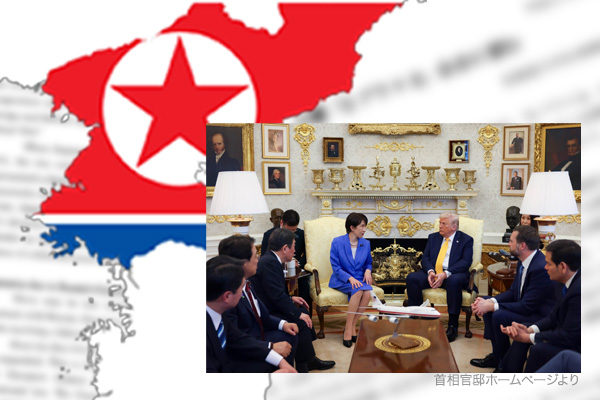
At the Japan-U.S. summit on March 19, Prime Minister Sanae Takaichi expressed a strong willingness to meet with North Korean leader Kim Jong Un to resolve the long-pending issue of North Korea’s abduction of Japanese citizens and received President.
Donald Trump’s pledge of cooperation in that process. Then, on March 23, Kim Yo Jong, the leader’s sister and de facto No. 2 in North Korea, issued a statement dismissive of a Japan-North Korea summit. However, this statement should not be taken as a rejection of negotiations with Japan, but rather as part of the maneuvering toward them.
Avoiding a complete rejection of a Japan-North Korea summit
In the statement, Kim Yo Jong said that any Japan-North Korea summit “is not the one that comes true, as wanted by Japan.” As conditions for realizing the summit, she cited Japan’s pledge to refrain from seeking to “resolve its unilateral matter not recognized by us” and its determination to “break with its anachronistic practice and habit.” Claiming that Japan has “gone too far in the opposite direction,” she said that she did “not want to see the prime minister of Japan coming to Pyongyang,” but added, “this is just my personal position.”
In her statement in March 2024, Kim Yo Jong vowed to completely reject negotiations with Japan for the reason that the then Fumio Kishida administration positioned the abduction issue as unresolved. However, the latest statement differed in three key respects: (1) it did not use the word “abduction,” (2) it stopped short of completely rejecting a Japan-North Korea summit while citing conditions for the summit, and (3) it limited itself to expressing, as her “personal position,” an emotional wish that she did “not want to see” the prime minister visit Pyongyang.
The military attack on the Iranian leadership by the United States and Israel on February 28 had a strong impact on the Kim Jong Un regime. Secret contacts for a U.S.-North Korea summit, which had been underway behind the scenes, came to a stop, and Kim Yo Jong became responsible for desperately gathering information on whether the Trump administration had any intention of attacking the North Korean leadership, according to sources.
At North Korea’s Supreme People’s Assembly (equivalent to the legislature) on March 22-23, the Ministry of State Security, which had been a political police force to protect the regime from dissidents, was reorganized into a national intelligence agency that specializes in collecting and analyzing internal and external intelligence. It is said to be the result of the need to gather U.S. and other intelligence and to eradicate domestic informants in order to protect the top leadership from military attacks.
Trump is positive about meeting with Kim Jong Un
President Trump met with South Korean Prime Minister Kim Min Seok at the White House on March 13 after launching the attack on Iran. Trump was quoted by Kim as saying: “Meeting [Kim Jong Un] is a very good thing. But the timing might be when I go to China this time, or it might not be, and it could be afterward.” The U.S. president thus indicated his willingness to hold a U.S.–North Korea summit possibly on the occasion of a U.S.–China summit, which has been postponed until mid-May.
Concluding that North Korea could face U.S. military attacks if it rejected a U.S.-North Korea summit, Pyongyang might have resumed preparations for the summit. Since economic support from Japan is expected to become a bargaining chip in U.S.-North Korea talks on the North Korean nuclear issue, it is likely that if U.S.-North Korea negotiations are concluded, Takaichi’s visit to North Korea will be realized. The latest Kim Yo Jong statement should be seen as maneuvering with that in mind.
Tsutomu Nishioka is a senior fellow and a Planning Committee member at the Japan Institute for National Fundamentals and a specially-appointed professor at Reitaku University. He covers South and North Koreas.
 Takashi Arimoto
 Tadae Takubo
 Fumio Ota
 Yoshiko Sakurai
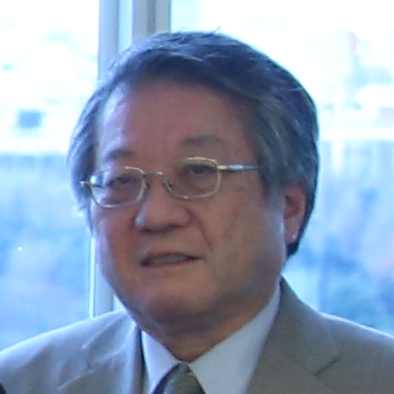 Yasushi Tomiyama
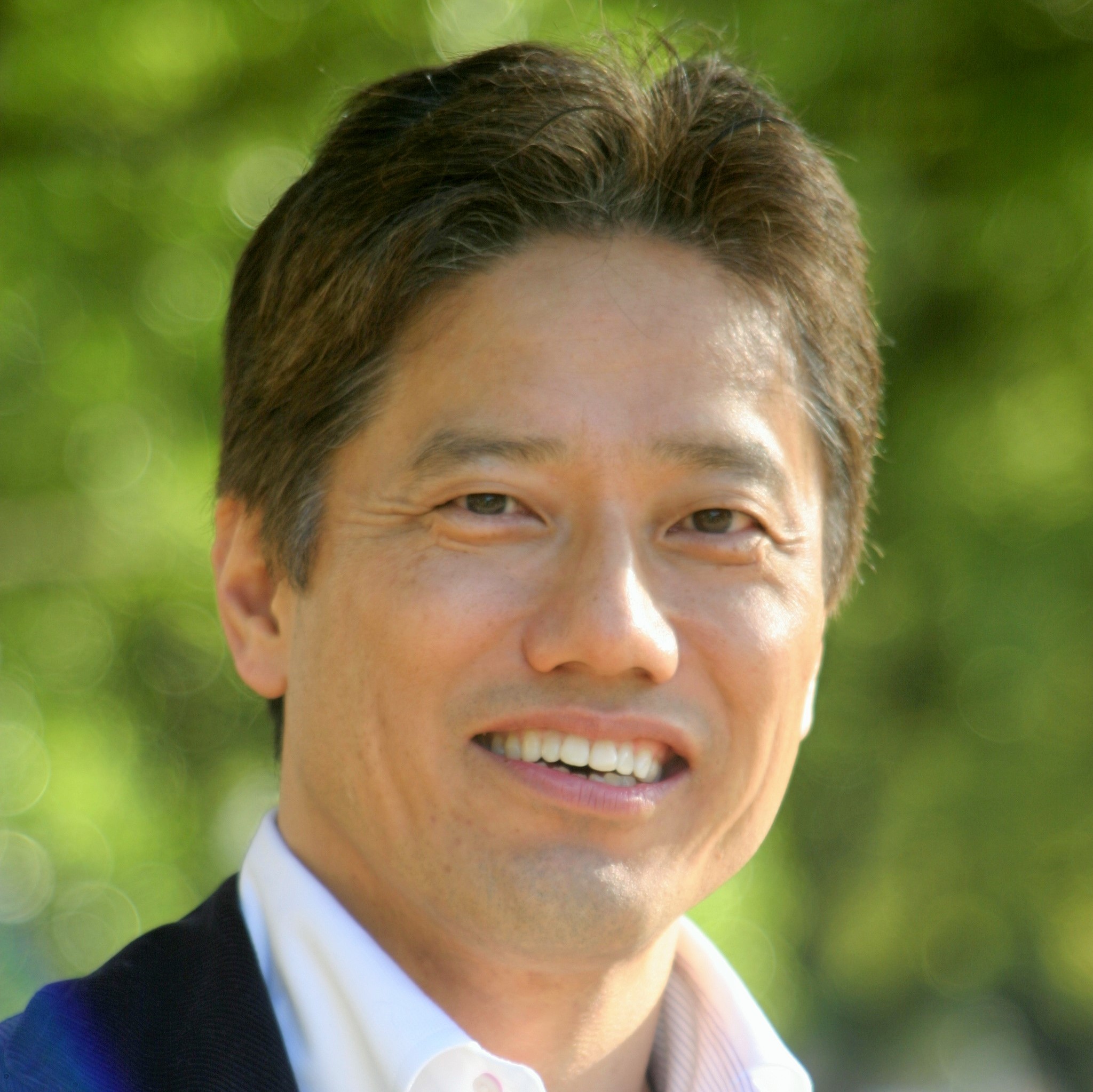 Masahiko Hosokawa
 Yoichi Shimada
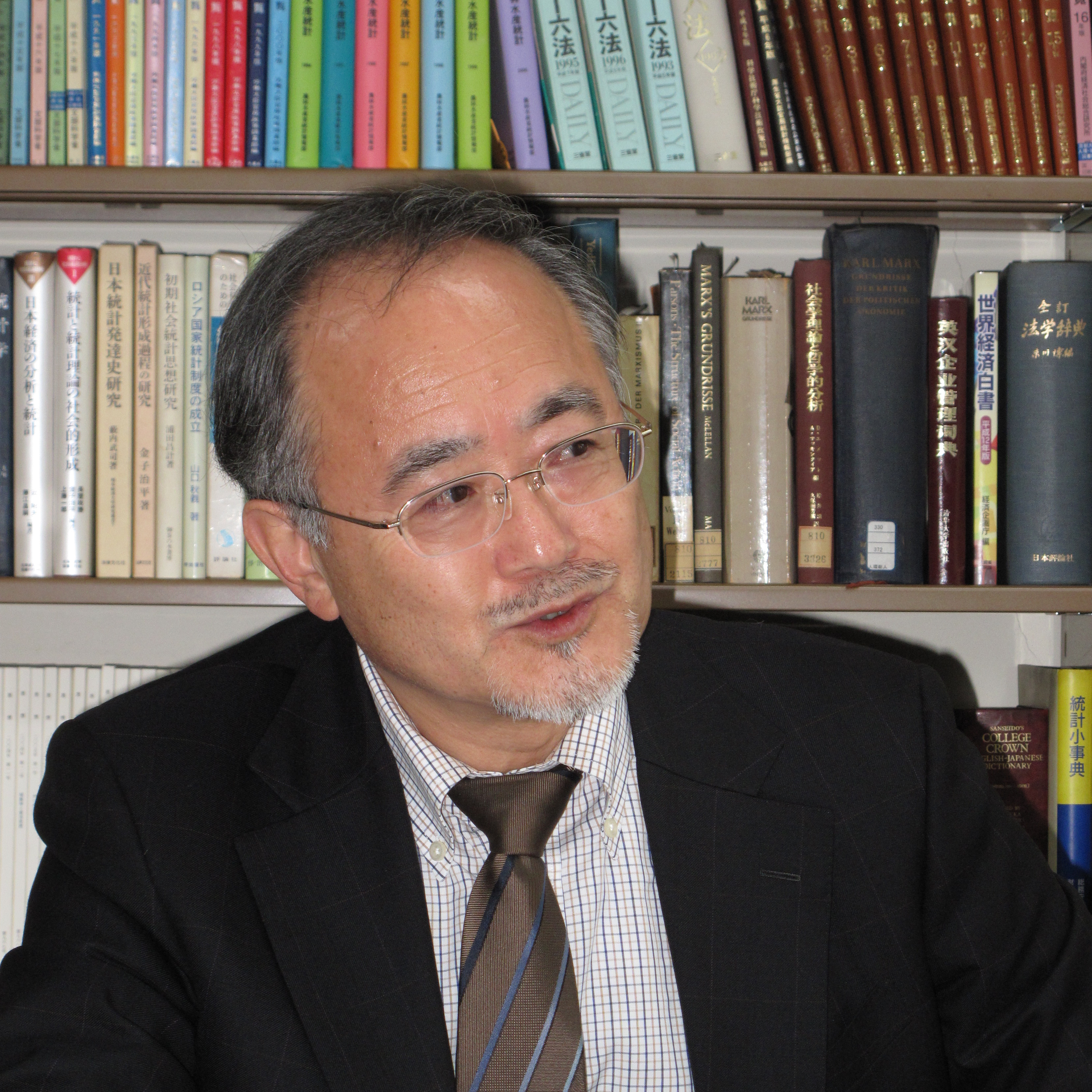 Hiroshi Yuasa
 Tadashi Narabayashi
 Hideo Tamura
 Kiyofumi Iwata
 Kunio Orita
 Maki Nakagawa
 Etsuro Honda
 Yujiro Oiwa
 Shiro Takahashi
 Hironobu Ishikawa
 Katsuhiko Takaike
 Michio Ezaki
 Akira Momochi
 Yoshihiko Yamada
 Akio Yaita
 Seiji Kurosawa
 Brahma Chellaney
 Koichi Endo
 Nobuko Araki
 James Auer
 Yang Haiying
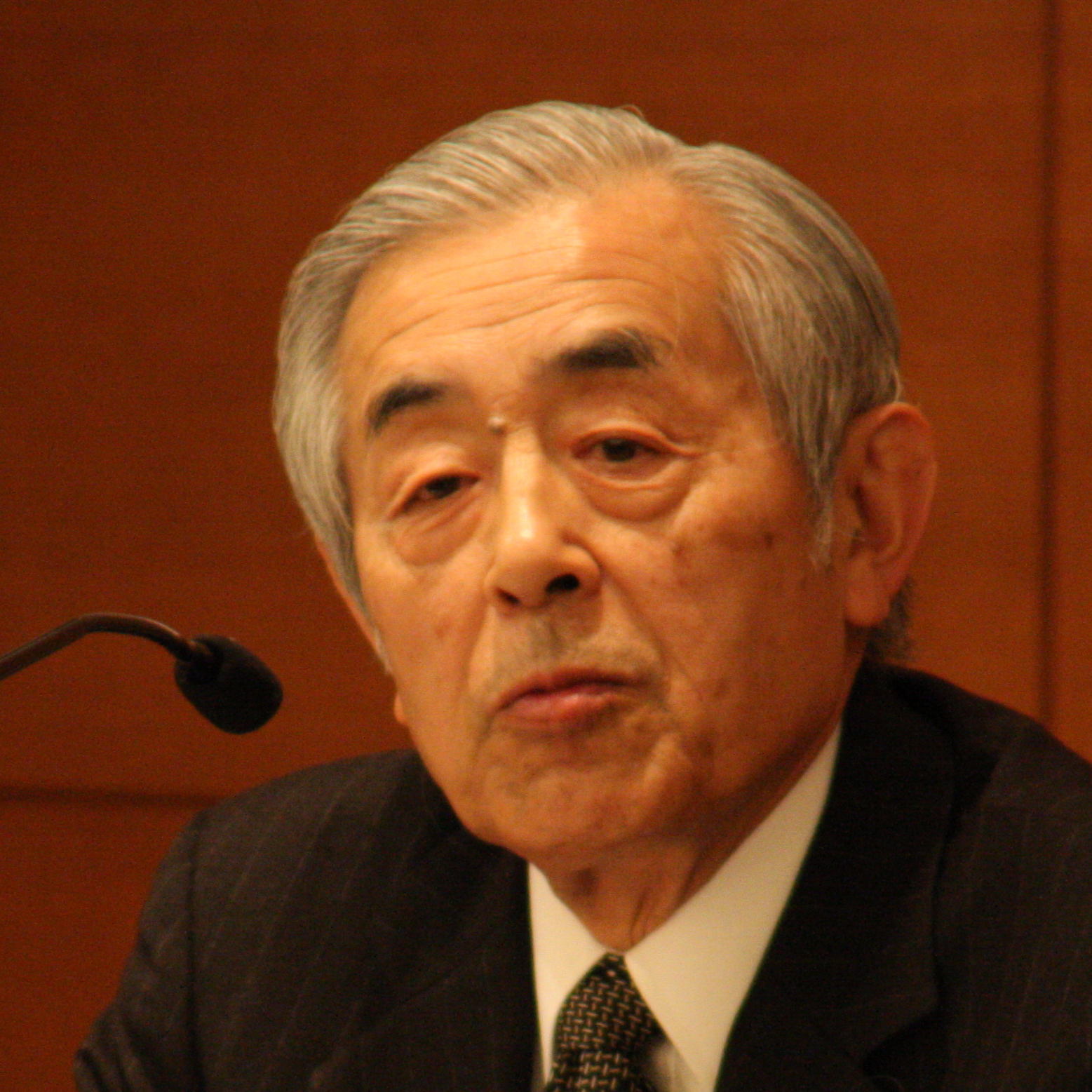 Hiroshi Kimura
 Sumihiko Kawamura
 Arvind Gupta
 Shohei Umezawa
 Koko Kato
 Takeshi Kudo
 Jason Morgan
 Kenro Nagoshi
 Tadashi Saito
 Osamu Nishi
 Hisashi Matsumoto
 Tsutomu Toichi
 Kichinosuke Ihara
 Nobuyuki Sato
 Yumiko Nishimoto
 Toshu Noguchi
 Satoshi Hirano
 Hideaki Karaki
 Koji Okamoto
 Tadashi Ito
 Eriko Yamatani
 Lee Woo Young
 Rikiwo Shikama
 Sukehiro Hirakawa
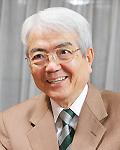 Taro Yayama
 Yasuyuki Takai
 Koh Sekai
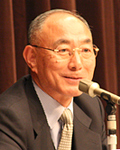 Koichi Furusho
 Sanae Takaichi
 Satoshi Tomisaka
 Yen-Hung Lin
 Ryoichi Hamamoto
 Andrii Gurenko
 Katsutoshi Kawano
 Kazuto Suzuki
 Kevin Maher
 Miki Kase
 Akihisa Nagashima
 Ronald Morse
 Hidetake Sawa
 Yang Yi
 Keiichi Nakagawa
 Seiichi Okutomi
 Haruhisa Nakagawa
 Hong Hyung
 Mio Sugita
 Tomohisa Takei
 Rupakjyoti Borah
 Masamori Sase
 Chung Dae Kyun
 Hirotaka Watanabe
 Masanori Kondo
 Koichi Mera
 Syunichi Akasofu
 Satoshi Sakakibara
 Hiroshi Ito
 Toshio Watanabe
 Nobukatsu Fujioka
 Eitaro Ogawa
 Saburo Tsukamoto
 Kazuhiko Inoue
 Norihide Miyoshi
 Yasuo Naito
 Katsuya Tsukamoto
 Akinaka Senzaki