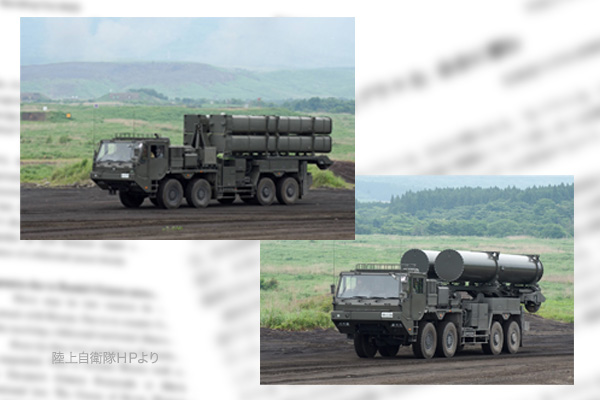
On March 31, the Japanese Defense Ministry deployed the Type 25 Surface-to-Ship Guided Missile (an improved version of the Type 12 Surface-to-Ship Guided Missile) to the Ground Self-Defense Force Kengun Garrison in Kumamoto City and the Type 25 Hyper Velocity Gliding Projectile, designed for island defense, to the GSDF Fuji Garrison in Oyama, Shizuoka Prefecture. They are the first weapons Japan has introduced as counterstrike capabilities. They have a range of about 1,000 kilometers, enough to reach North Korea or the Chinese mainland from Kyushu or Okinawa.
Japan decided on the acquisition of counterstrike capabilities under the Fumio Kishida government in 2022 in response to the deterioration of the security environment and advances in weapons technology. The first deployment of counterstrike capabilities has reportedly caused anxiety and backlash among local residents, helped by excessive media coverage. There are four main points of discussion on the matter, which can be summarized in a question-and-answer format as follows:
Indispensable for war deterrence
Q: Wouldn’t the deployment of the missiles make them prime targets in the event of a contingency?
A: These missiles are mobile and, in the event of a contingency, are normally deployed and operated outside their garrisons. Moreover, a situation involving strikes on the Japanese mainland would imply a full-scale war against Japan, in which targets would not be limited to military bases or urban areas. These missiles are intended to deter such a war.
Q: Wouldn’t these missiles be insufficient as a deterrent, given that China and North Korea possess nuclear missiles?
A: There are two types of deterrence: “denial deterrence,” which dissuades an adversary from taking action by making it doubt that it can achieve the expected results, and “punitive deterrence,” which discourages an adversary by making it believe that it would suffer damage equal to or greater than that caused by its own action. By combining missile defense with counterstrike capabilities, Japan seeks to strengthen denial deterrence and enhance overall deterrence in conjunction with the punitive deterrence provided by U.S. forces.
Q: Wouldn’t counterstrikes deviate from Japan’s exclusively defense-oriented policy?
A: The exclusively defense-oriented policy does not mean that Japan devotes itself to defense without possessing any offensive capabilities. It “means that defensive force is used only in the event of an attack, that the extent of the use of defensive force is kept to the minimum necessary for self-defense, and that the defense capabilities to be possessed and maintained by Japan are limited to the minimum necessary for self-defense,” according to the Defense Ministry’s “Defense of Japan 2025.” Due to recent advances in missile technology and improvements in tactical capabilities such as saturation attacks, it is becoming difficult to defend Japan only with the existing missile defense system. Counterstrike capabilities are indispensable.
Q: Isn’t the range of 1,000 kilometers too long?
A: Stand-off capabilities to strike from outside an adversary’s ranges have traditionally been an essential requirement for weapons. Given the trend of modern weapons, a range of about 1000 kilometers can be viewed as the minimum necessary ability.
Dispel residents’ anxiety
While these discussions are long overdue, defense capabilities must be built on public understanding. The Defense Ministry should sincerely address the criticism that it has lacked sufficient prior explanations and should make every effort to provide thorough explanations to local residents to dispel their anxiety as much as possible.
Kunio Orita is a member of the JINF Planning Committee and a special professor at Reitaku University. He is a retired Lieutenant General of the Japan Air Self-Defense Force.
 Tsutomu Nishioka
 Takashi Arimoto
 Tadae Takubo
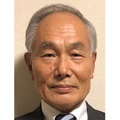 Fumio Ota
 Yoshiko Sakurai
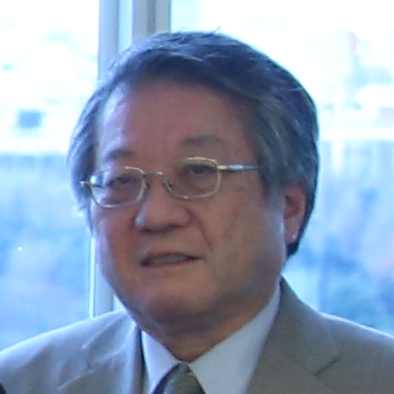 Yasushi Tomiyama
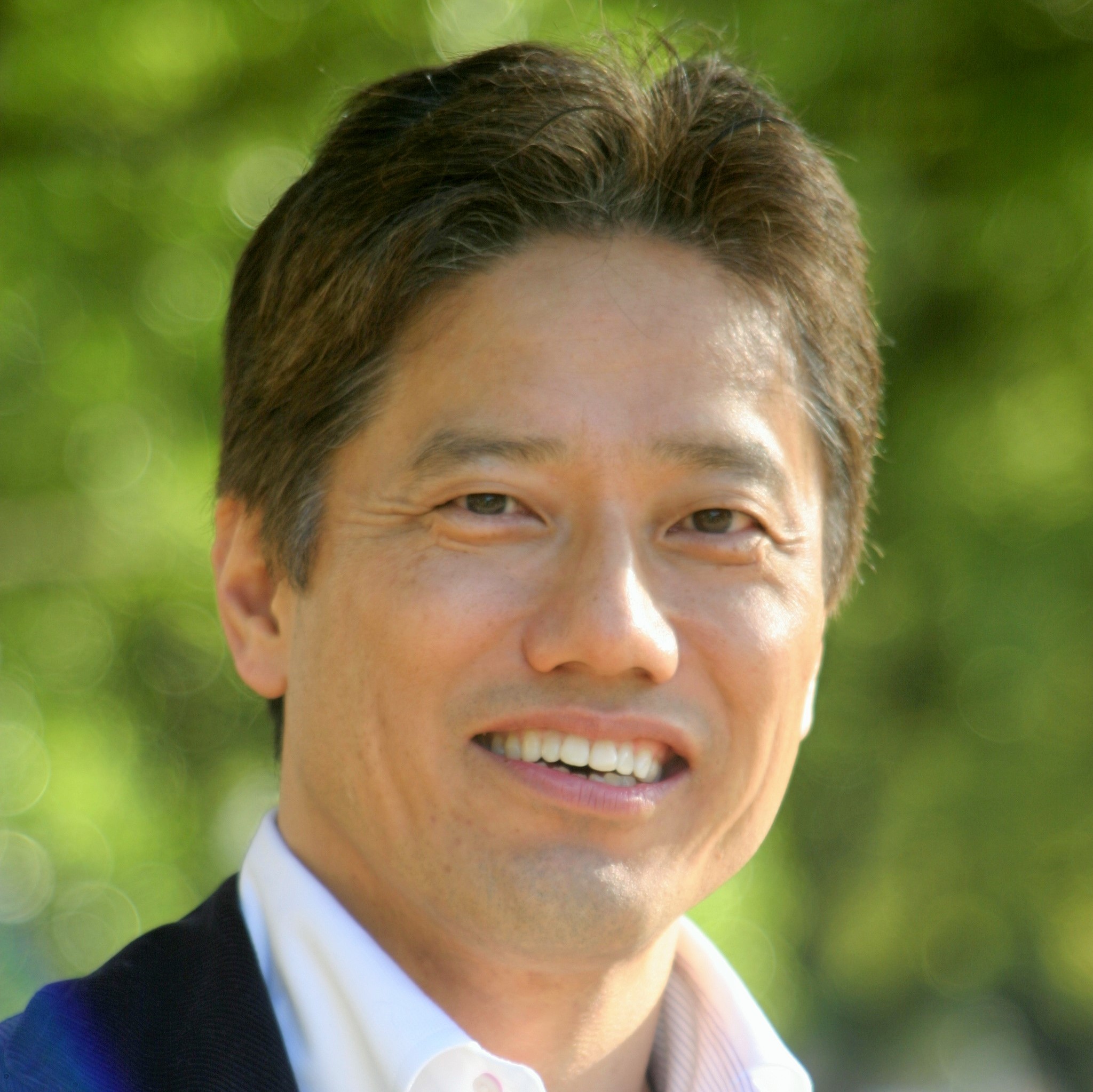 Masahiko Hosokawa
 Yoichi Shimada
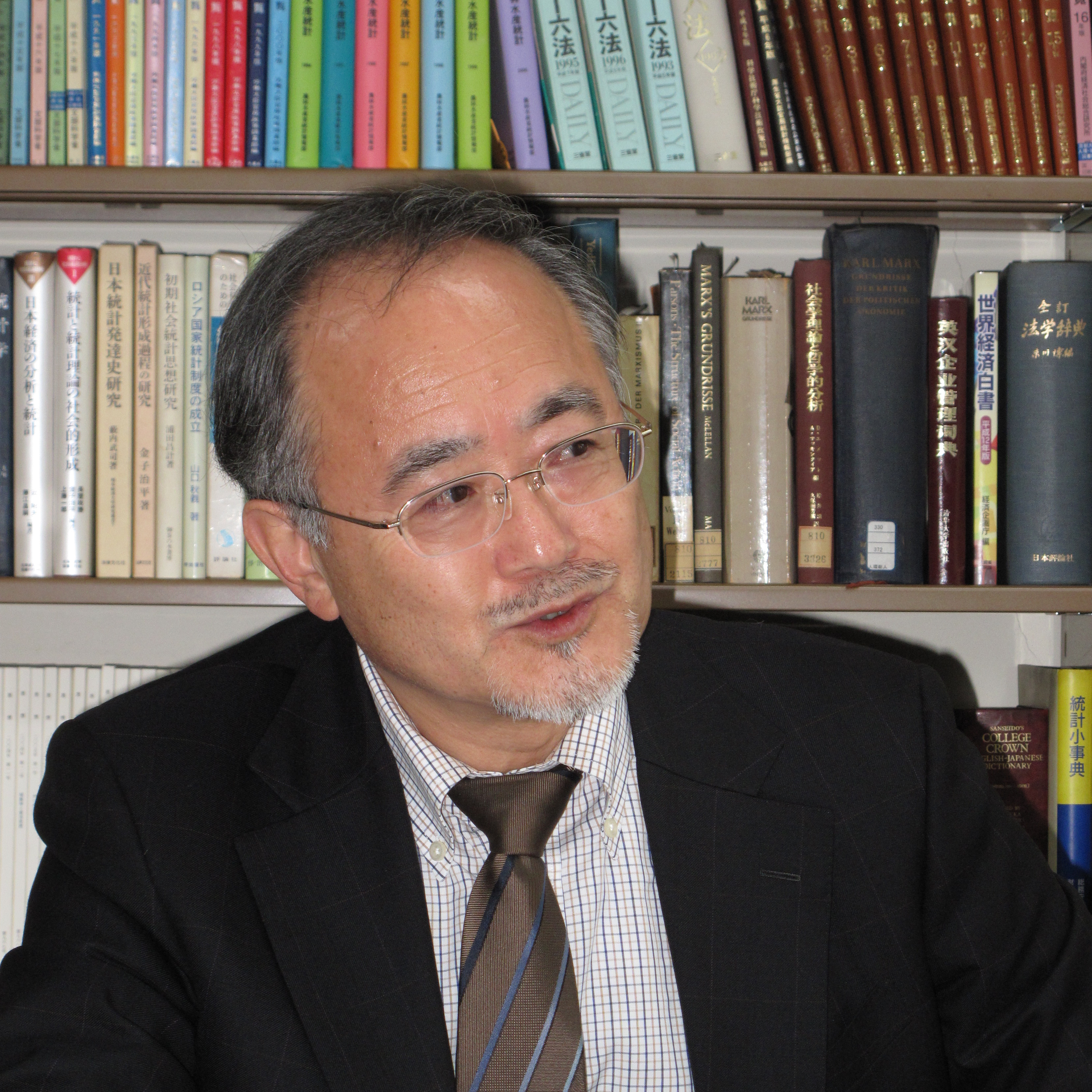 Hiroshi Yuasa
 Tadashi Narabayashi
 Hideo Tamura
 Kiyofumi Iwata
 Maki Nakagawa
 Etsuro Honda
 Yujiro Oiwa
 Hironobu Ishikawa
 Shiro Takahashi
 Katsuhiko Takaike
 Michio Ezaki
 Akira Momochi
 Akio Yaita
 Yoshihiko Yamada
 Seiji Kurosawa
 Koichi Endo
 Brahma Chellaney
 Nobuko Araki
 Yang Haiying
 James Auer
 Sumihiko Kawamura
 Hiroshi Kimura
 Osamu Nishi
 Koko Kato
 Tadashi Saito
 Shohei Umezawa
 Jason Morgan
 Arvind Gupta
 Kenro Nagoshi
 Takeshi Kudo
 Sukehiro Hirakawa
 Yumiko Nishimoto
 Rikiwo Shikama
 Eriko Yamatani
 Koichi Furusho
 Tadashi Ito
 Satoshi Hirano
 Lee Woo Young
 Taro Yayama
 Koh Sekai
 Koji Okamoto
 Tsutomu Toichi
 Hideaki Karaki
 Toshu Noguchi
 Kichinosuke Ihara
 Hisashi Matsumoto
 Yasuyuki Takai
 Nobuyuki Sato
 Chung Dae Kyun
 Toshio Watanabe
 Katsuya Tsukamoto
 Kazuto Suzuki
 Koichi Mera
 Akihisa Nagashima
 Miki Kase
 Eitaro Ogawa
 Hirotaka Watanabe
 Akinaka Senzaki
 Kevin Maher
 Yang Yi
 Hidetake Sawa
 Satoshi Tomisaka
 Nobukatsu Fujioka
 Masanori Kondo
 Hiroshi Ito
 Mio Sugita
 Rupakjyoti Borah
 Seiichi Okutomi
 Saburo Tsukamoto
 Yasuo Naito
 Satoshi Sakakibara
 Yen-Hung Lin
 Sanae Takaichi
 Haruhisa Nakagawa
 Norihide Miyoshi
 Syunichi Akasofu
 Ryoichi Hamamoto
 Hong Hyung
 Andrii Gurenko
 Ronald Morse
 Kazuhiko Inoue
 Keiichi Nakagawa
 Masamori Sase
 Katsutoshi Kawano
 Tomohisa Takei