The first significance of this year’s Asia Security Summit, the Shangri-La Dialogue, in late May was that U.S. Secretary of Defense Pete Hegseth emphasized that “America is a Pacific nation” and made clear that the United States’ approach in the Pacific centers on “deterrence by denial” along the First Island Chain linking Japan, Taiwan, and the Philippines. Deterrence by denial means to lead an adversary to give up on its attacks by convincing the adversary that its attacks will fail.
Hegseth at the Dialogue sounded a strong alarm regarding China’s “historic military buildup” and the expansion of its military activities and urged U.S. allies in the Pacific region to increase their defense spending to 3.5% of their respective gross domestic product (GDP) and develop their capabilities to “prepare for war.” “Less Shangri-La, more ships, more subs,” he said in a manner to symbolize American realism that values real military power over conference diplomacy.
On the other hand, Hegseth said that he did not want “needless confrontation” with China and refrained from mentioning Taiwan, toning down year-earlier warnings towards China. This made the U.S.’ intention to deter China less visible to U.S. allies.
Koizumi: Japan will be a “connecting point” for regional cooperation
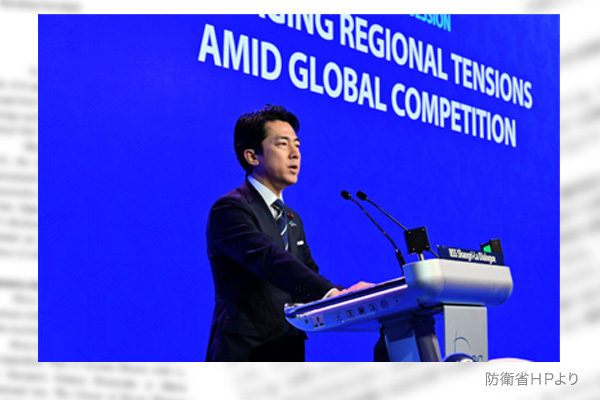
The second significance of the latest Shangri-La Dialogue is that Japanese Defense Minister Shinjiro Koizumi’s speech clearly articulated the direction Japan should take. Emphasizing the necessity of “trust, transparency, and dialogue” based on the Free and Open Indo-Pacific (FOIP) initiative, Koizumi noted that Japan would fundamentally reinforce defense capabilities, revise three strategic documents including the National Security Strategy, and strengthen its defense industry base. He also stressed that Japan would serve as a “connecting point” for regional cooperation through the expansion of defense equipment transfers and official security assistance (OSA). Koizumi’s recognition that “division weakens deterrence, [while] unity strengthens deterrence” is highly sound. His approach of having Japan “turn points into lines, and from lines into planes” — by building on the Japan-U.S. alliance to expand cooperation with Australia, the Philippines, Britain, the Quad (Japan, the U.S., Australia, and India), and the Association of Southeast Asian Nations (ASEAN) — is both realistic and strategic.
It is also significant that Koizumi, though refraining from naming China, pushed back clearly by arguing that labeling Japan, a country that possesses neither nuclear weapons nor strategic bombers, “new militarism” is a perverse distortion. For a China that prioritizes propaganda over crisis management talks, it is essential for Japan to engage in such debates openly and confidently at international conferences.
From passive security posture to key actor
Based on the discussions at this year’s Shangri-La Dialogue, the strategy Japan should adopt has become even clearer. It is important for Japan to make self-driven efforts to further keep the U.S. in Asia while expanding security cooperation with countries such as the Philippines and Australia to develop multilayer deterrence based on the Japan-U.S. alliance. In this regard, the Sanae Takaichi administration’s efforts to conclude a General Security of Military Information Agreement (GSOMIA) with the Philippines and to enhance cooperation in the energy and resources sector under the POWERR Asia (Partnership on Wide Energy and Resources Resilience Asia) initiative can be highly regarded as paving the way for a more integrated strengthening of regional security across the information, economic, and energy domains.
The latest Shangri-La Dialogue should be regarded as an important strategic turning point where Japan demonstrated its willingness to break away from a passive security posture and move forward as a proactive actor supporting regional order.
Kiyofumi Iwata is a member of the Planning Committee at the Japan Institute for National Fundamentals. Formerly, he served as Chief of Staff of the Japan Ground Self-Defense Force.
 Tsutomu Nishioka
 Takashi Arimoto
 Tadae Takubo
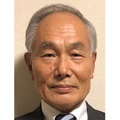 Fumio Ota
 Yoshiko Sakurai
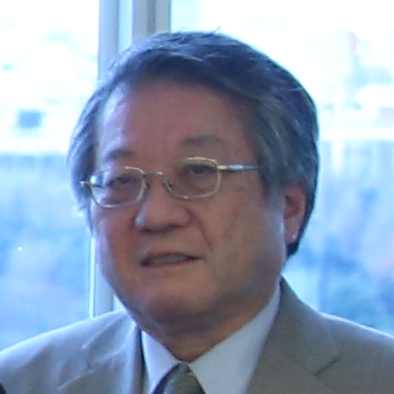 Yasushi Tomiyama
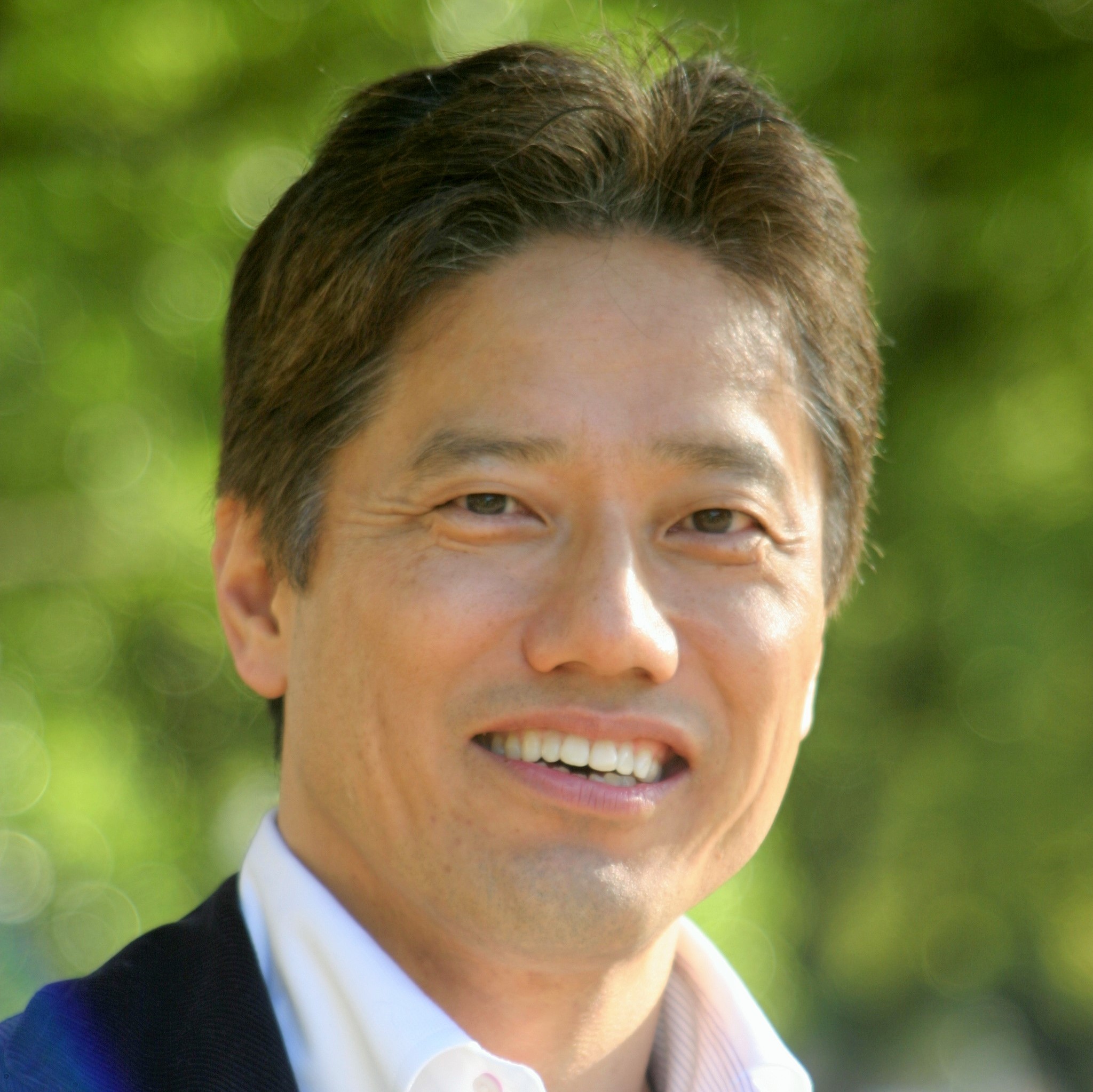 Masahiko Hosokawa
 Yoichi Shimada
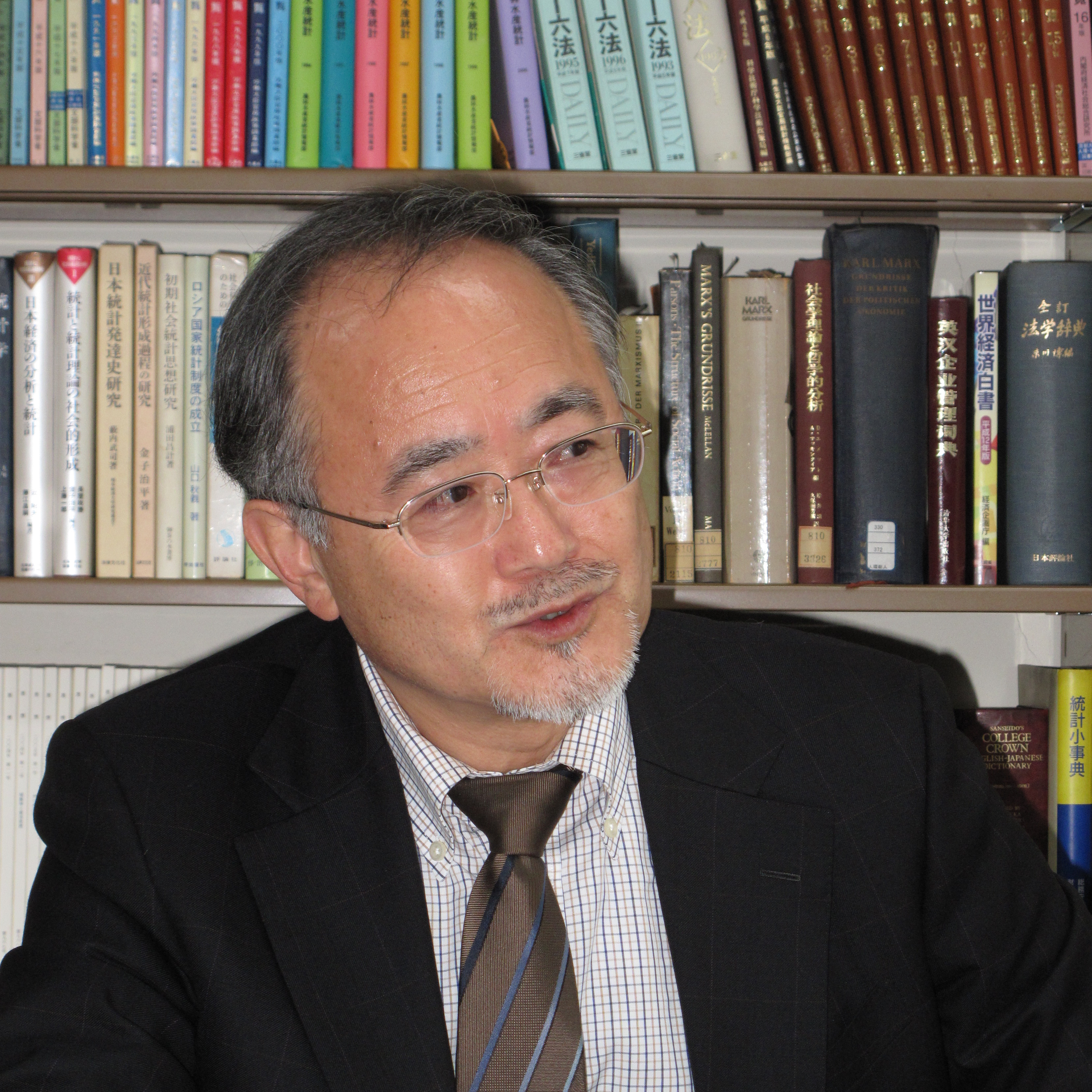 Hiroshi Yuasa
 Tadashi Narabayashi
 Hideo Tamura
 Kunio Orita
 Maki Nakagawa
 Etsuro Honda
 Yujiro Oiwa
 Hironobu Ishikawa
 Shiro Takahashi
 Katsuhiko Takaike
 Michio Ezaki
 Akira Momochi
 Akio Yaita
 Yoshihiko Yamada
 Seiji Kurosawa
 Koichi Endo
 Brahma Chellaney
 Nobuko Araki
 Yang Haiying
 James Auer
 Sumihiko Kawamura
 Hiroshi Kimura
 Osamu Nishi
 Koko Kato
 Tadashi Saito
 Shohei Umezawa
 Jason Morgan
 Arvind Gupta
 Kenro Nagoshi
 Takeshi Kudo
 Sukehiro Hirakawa
 Yumiko Nishimoto
 Rikiwo Shikama
 Eriko Yamatani
 Koichi Furusho
 Tadashi Ito
 Satoshi Hirano
 Lee Woo Young
 Taro Yayama
 Koh Sekai
 Koji Okamoto
 Tsutomu Toichi
 Hideaki Karaki
 Toshu Noguchi
 Kichinosuke Ihara
 Hisashi Matsumoto
 Yasuyuki Takai
 Nobuyuki Sato
 Chung Dae Kyun
 Toshio Watanabe
 Katsuya Tsukamoto
 Kazuto Suzuki
 Koichi Mera
 Akihisa Nagashima
 Miki Kase
 Eitaro Ogawa
 Hirotaka Watanabe
 Akinaka Senzaki
 Kevin Maher
 Yang Yi
 Hidetake Sawa
 Satoshi Tomisaka
 Nobukatsu Fujioka
 Masanori Kondo
 Hiroshi Ito
 Mio Sugita
 Rupakjyoti Borah
 Seiichi Okutomi
 Saburo Tsukamoto
 Yasuo Naito
 Satoshi Sakakibara
 Yen-Hung Lin
 Sanae Takaichi
 Haruhisa Nakagawa
 Norihide Miyoshi
 Syunichi Akasofu
 Ryoichi Hamamoto
 Hong Hyung
 Andrii Gurenko
 Ronald Morse
 Kazuhiko Inoue
 Keiichi Nakagawa
 Masamori Sase
 Katsutoshi Kawano
 Tomohisa Takei