The National Security Strategy released by the former Fumio Kishida administration in late 2022 set a target of increasing Japan’s defense-related spending to 2% of gross domestic product (GDP). In the Defense Buildup Program announced at the same time, the total required funding was set at approximately 43 trillion yen over five years. As the incumbent Sanae Takaichi administration plans to update these strategic documents by the end of this year, an unavoidable topic in discussions will be how to secure financial resources for the defense spending hike.
Resistance from fiscal hawks expected
To fundamentally strengthen Japan’s defense capabilities, the current National Security Strategy set a goal of raising defense-related spending in fiscal 2027 to 2% of fiscal 2022 GDP (the baseline year). The Takaichi administration achieved the goal ahead of schedule by raising defense-related spending to approximately 2% of GDP through an additional allocation in the fiscal 2025 supplementary budget.
The fiscal 2026 budget includes 10.6 trillion yen in defense-related spending, equivalent to 1.9% of fiscal 2022 GDP; however, relative to the projected fiscal 2026 GDP of 690 trillion yen, that ratio drops to 1.5%. If fiscal 2026 is adopted as the baseline year for the new strategy documents to be updated late this year, 2% of GDP would amount to 13.8 trillion yen, 3.2 trillion yen higher than earmarked in the fiscal 2026 budget. If a new defense-related spending target is set at 3% of GDP, defense-related spending would amount to 20.7 trillion yen, nearly double the fiscal 2026 budget.
Standing in the way of increasing defense-related spending is the domestic fiscal austerity camp that sticks to a balanced budget. Legacy media and other forces resisting fiscal expansion unilaterally conclude that the Takaichi administration’s plans to cut the consumption tax and increase domestic investment using fiscal funds will lead to a decline in government bond prices and a weaker yen. In fact, a large-scale fiscal stimulus undertaken by the former Shinzo Abe administration in fiscal 2020 has produced a virtuous cycle of nominal GDP expansion, subsequent tax revenue growth, and a rapid improvement in the fiscal balance. This served as a tailwind for achieving the defense-related spending target ahead of schedule.
As one of the world’s leading external creditor countries, Japan has ample financial capacity. However, the issue of financial resources is unavoidable in the Diet budget deliberations. The forces resisting fiscal expansion may well seize this moment to turn the scale and financial resources of defense spending into the central points of contention.
Unthinkable large-scale tax hikes
Considering the security environment surrounding the Japanese archipelago, Japan cannot afford to waste time on rigid discussions over financial resources. However, large-scale tax increases to cover defense spending are unlikely to gain public support. Attention should be paid to expanding the scope of eligibility for construction government bonds.
The Kishida administration, which formulated the current strategic documents, made the first ever government decision to use construction bonds for defense spending while cutting some expenses and increasing tobacco, corporate, and income taxes. The fiscal 2026 budget earmarks 597.3 billion yen in construction bonds for defense-related spending. However, their eligibility is limited to Self-Defense Force facilities and naval vessels, which are considered to have low wear and tear.
However, one of reasons for justifying the issuance of construction bonds should be contributing to future economic growth. Dual-use artificial intelligence (AI), advanced semiconductors, and critical minerals, which are relevant to the Takaichi administration’s economic growth strategy, are indispensable for the domestic production of defense equipment and the development of defense technologies. It is reasonable to use construction bonds for funding such defense-related measures.
Hideo Tamura is a Planning Committee member at the Japan Institute for National Fundamentals and a columnist for the Sankei Shimbun newspaper.
 Tsutomu Nishioka
 Tadae Takubo
 Takashi Arimoto
 Fumio Ota
 Yoshiko Sakurai
 Yasushi Tomiyama
 Masahiko Hosokawa
 Yoichi Shimada
 Hiroshi Yuasa
 Tadashi Narabayashi
 Kiyofumi Iwata
 Kunio Orita
 Maki Nakagawa
 Etsuro Honda
 Yujiro Oiwa
 Hironobu Ishikawa
 Shiro Takahashi
 Katsuhiko Takaike
 Michio Ezaki
 Akira Momochi
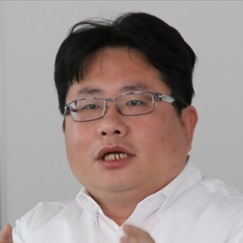 Akio Yaita
 Yoshihiko Yamada
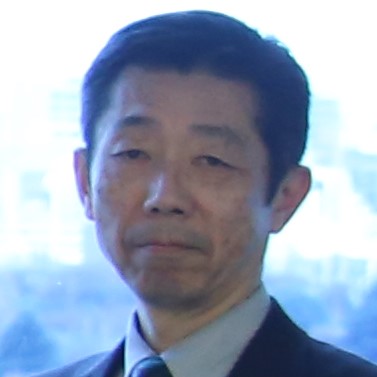 Seiji Kurosawa
 Koichi Endo
 Brahma Chellaney
 Nobuko Araki
 Yang Haiying
 James Auer
 Sumihiko Kawamura
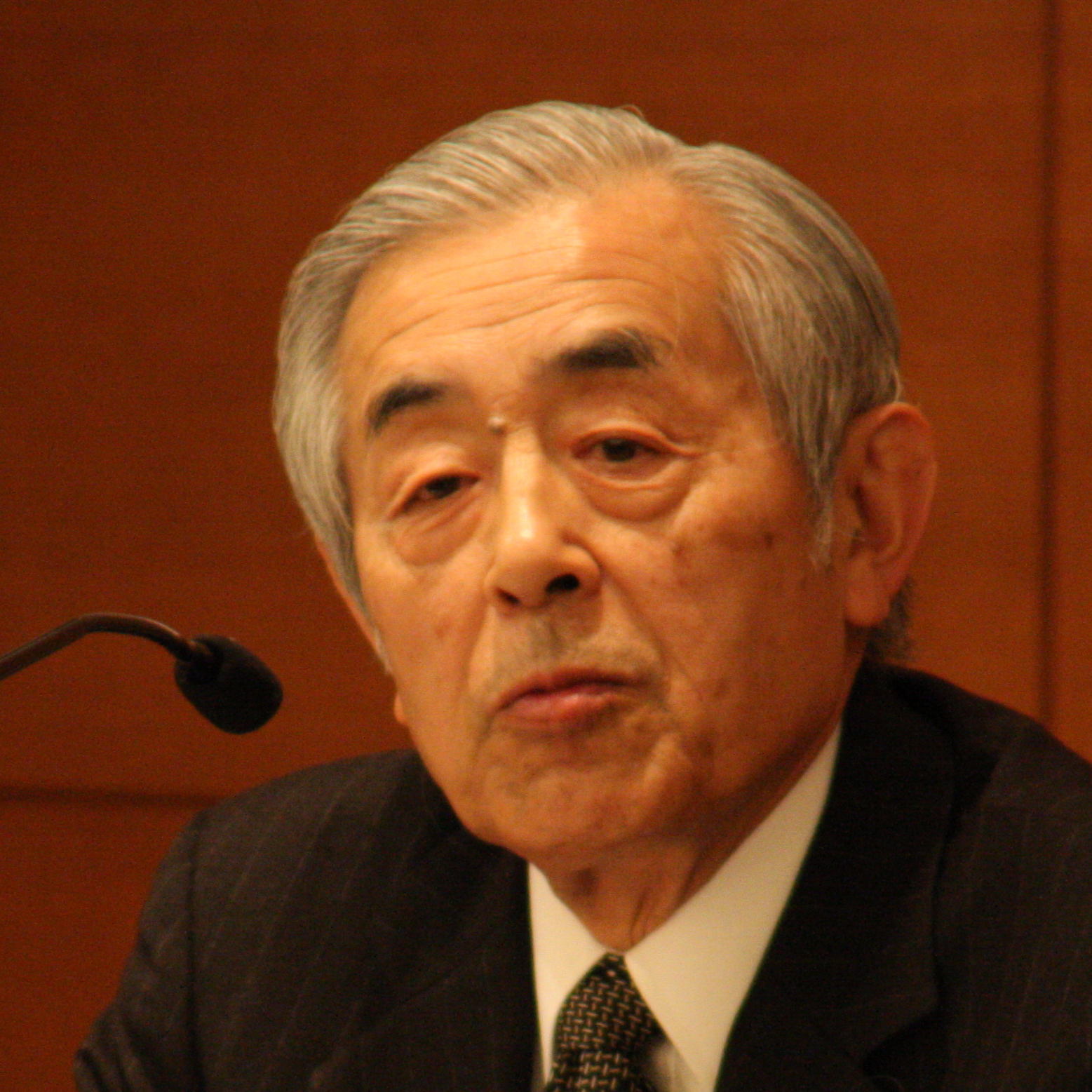 Hiroshi Kimura
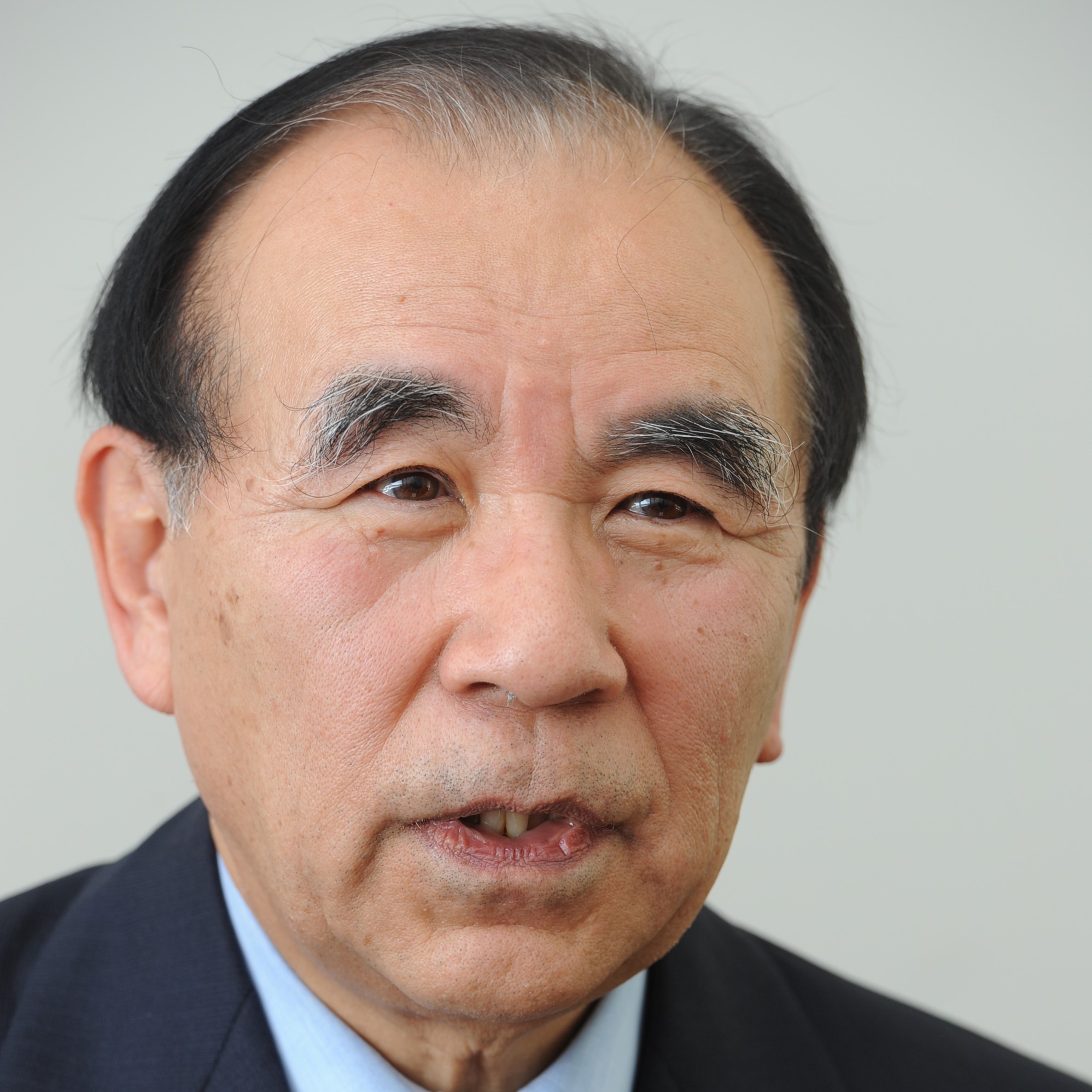 Osamu Nishi
 Koko Kato
 Tadashi Saito
 Shohei Umezawa
 Jason Morgan
 Arvind Gupta
 Kenro Nagoshi
 Takeshi Kudo
 Sukehiro Hirakawa
 Yumiko Nishimoto
 Rikiwo Shikama
 Eriko Yamatani
 Koichi Furusho
 Tadashi Ito
 Satoshi Hirano
 Lee Woo Young
 Taro Yayama
 Koh Sekai
 Koji Okamoto
 Tsutomu Toichi
 Hideaki Karaki
 Toshu Noguchi
 Kichinosuke Ihara
 Hisashi Matsumoto
 Yasuyuki Takai
 Nobuyuki Sato
 Chung Dae Kyun
 Toshio Watanabe
 Katsuya Tsukamoto
 Kazuto Suzuki
 Koichi Mera
 Akihisa Nagashima
 Miki Kase
 Eitaro Ogawa
 Hirotaka Watanabe
 Akinaka Senzaki
 Kevin Maher
 Yang Yi
 Hidetake Sawa
 Satoshi Tomisaka
 Nobukatsu Fujioka
 Masanori Kondo
 Hiroshi Ito
 Mio Sugita
 Rupakjyoti Borah
 Seiichi Okutomi
 Saburo Tsukamoto
 Yasuo Naito
 Satoshi Sakakibara
 Yen-Hung Lin
 Sanae Takaichi
 Haruhisa Nakagawa
 Norihide Miyoshi
 Syunichi Akasofu
 Ryoichi Hamamoto
 Hong Hyung
 Andrii Gurenko
 Ronald Morse
 Kazuhiko Inoue
 Keiichi Nakagawa
 Masamori Sase
 Katsutoshi Kawano
 Tomohisa Takei