
TV footage showing that the Russian Federal Security Service detained a male correspondent at the Yuzhno-Sakhalinsk bureau of Japan’s Hokkaido Shimbun newspaper on suspicion of espionage and took him to Moscow laid bare the vulnerability of Japan as a sovereign nation. China, for its part, has detained Japanese nationals, including businesspeople, one after another under its anti-espionage law. Arbitrary detentions of Japanese nationals have also occurred in countries such as Iran.
While authoritarian states brazenly carry out “hostage diplomacy” by unjustly detaining Japanese nationals, the Japanese government’s responses have been limited to ineffective measures such as the expression of regret and the request for consular officers’ visits to detainees. This helplessness is simply intolerable in light of national governments’ fundamental mission of protecting the lives and safety of its citizens.
Spy paradise
The root cause of this structural defeat lies in a fatal legal system flaw in Japan, which lacks an anti-espionage law to strictly punish espionage itself. When their nationals were detained by foreign countries, major Western countries, as well as Russia and China, identified and captured agents from the foreign countries and used them as bargaining chips to effectively recover their own nationals through prisoner exchanges.
In contrast, Japan lacks legal infrastructure to investigate and arrest foreign agents and use them as diplomatic leverage. Current laws such as the Act on the Protection of Specially Designated Secrets, while punishing public servants for leaking secrets, cannot comprehensively crack down on collaborators working covertly in society with foreign powers, nor on foreign intelligence activities themselves.
Japan is seen by other countries as a “spy paradise” where foreign intelligence activities are left unchecked. It is also viewed as a target that they can pressure at virtually no cost, since Tokyo cannot retaliate for the detention of its nationals or deploy diplomatic cards for their recovery.
Of course, the enactment of an anti-espionage law cannot immediately guarantee spy exchanges with other countries. There are many challenges to overcome, such as the improvement of strict investigative capabilities in accordance with the law and the development of a national system to address escalating conflicts. But having many challenges to overcome and failing even to take the first step are entirely different matters.
Lack of sense of crisis
Under the Sanae Takaichi administration, efforts to strengthen intelligence capabilities, including the creation of the National Intelligence Bureau, were launched, and momentum is gaining for enacting an anti-espionage law. However, parliamentary discussions on the matter have been slow to progress, with priority given to partisan interests, such as the reduction of Diet seats, reflecting a lack of a sense of crisis.
What is needed now is to reject endless procrastination under the pretext of protecting human rights and privacy, and to promptly build the minimum defense barrier for a sovereign nation. The enactment of an anti-espionage law to confront intimidation by authoritarian states and protect the safety of Japanese nationals can no longer be delayed for a single moment.
Takashi Arimoto is a Planning Committee member at the Japan Institute for National Fundamentals and a columnist at the Sankei Shimbun newspaper.
 Tsutomu Nishioka
 Tadae Takubo
 Fumio Ota
 Yoshiko Sakurai
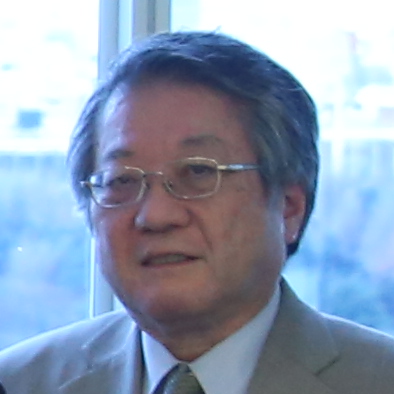 Yasushi Tomiyama
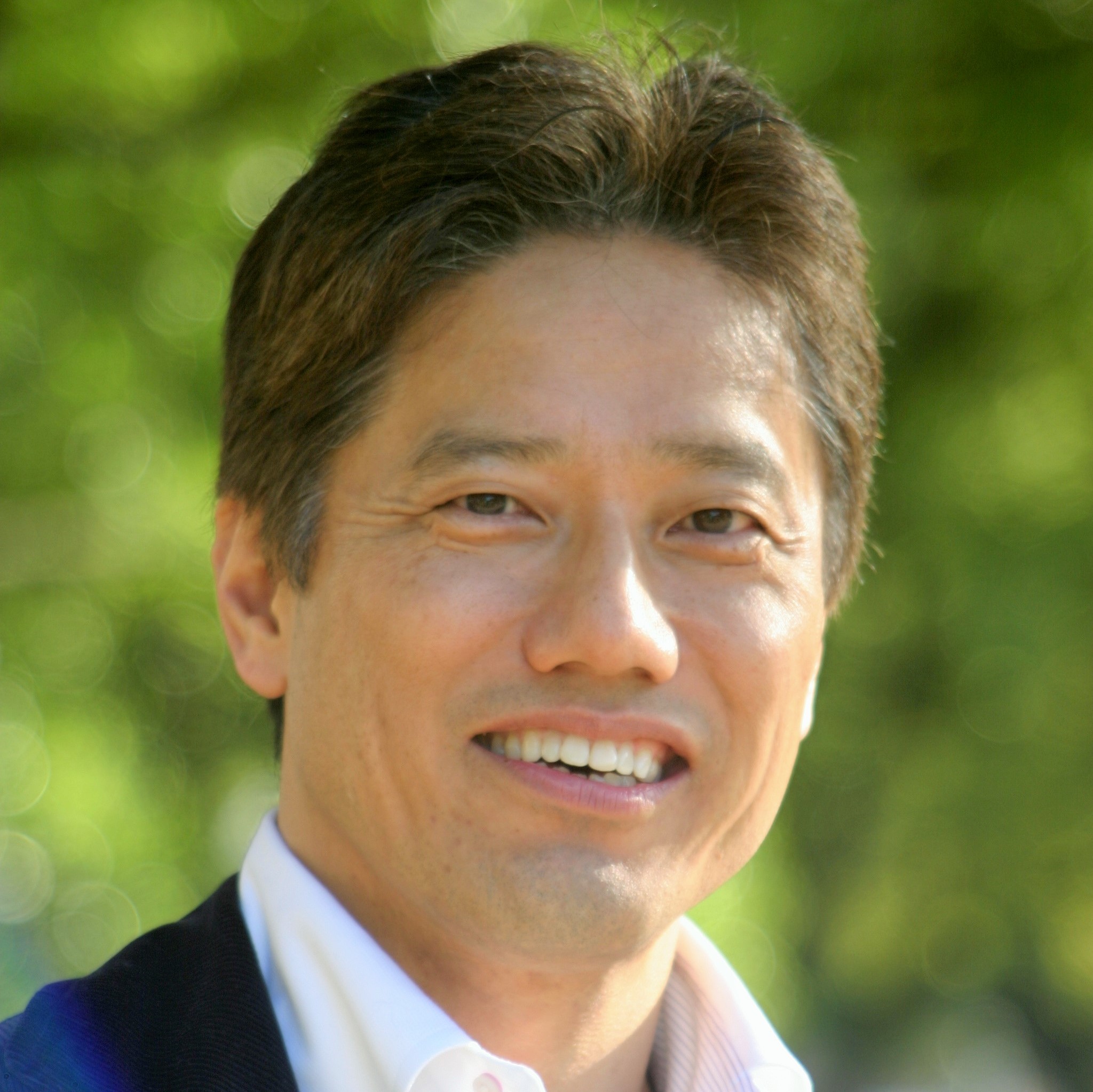 Masahiko Hosokawa
 Yoichi Shimada
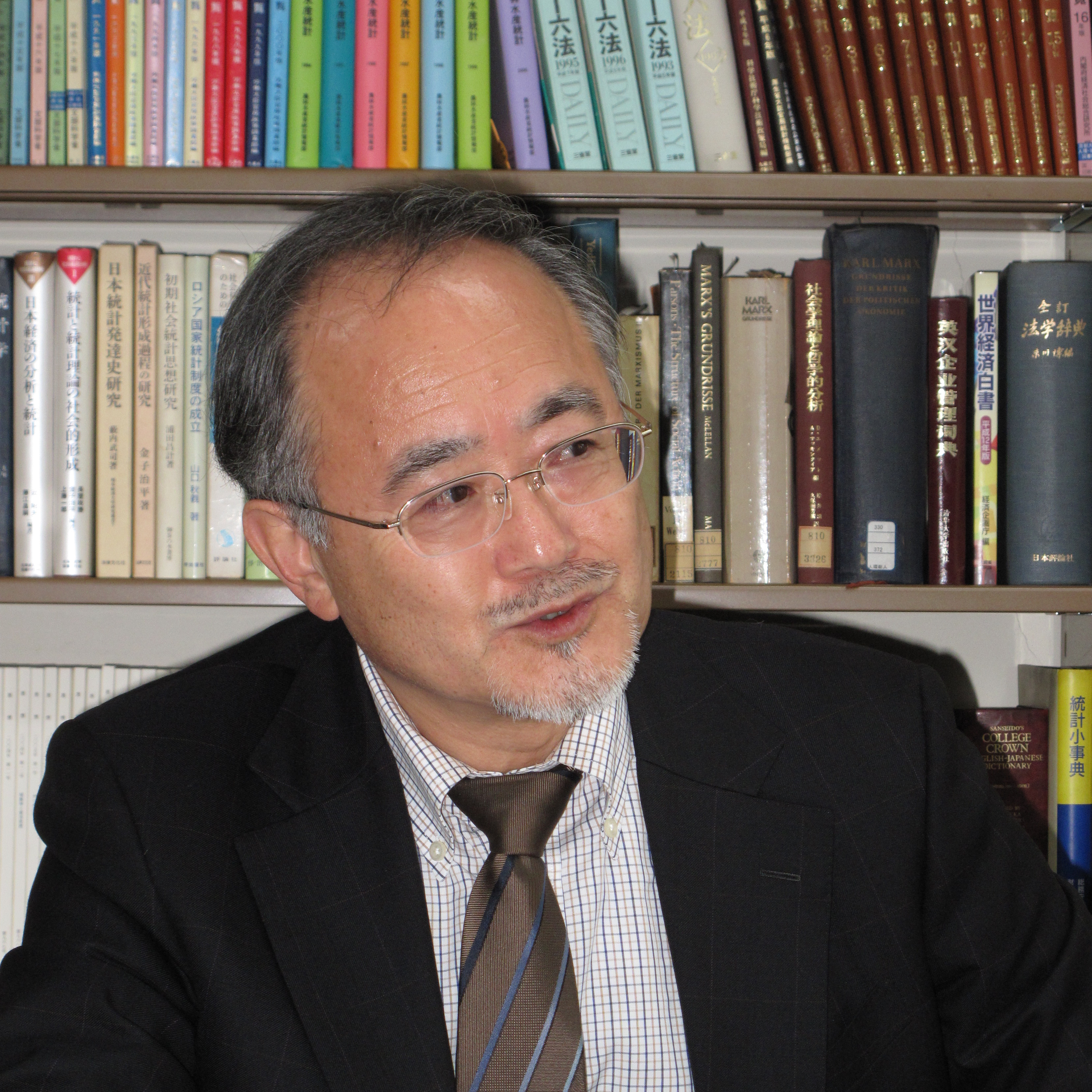 Hiroshi Yuasa
 Tadashi Narabayashi
 Hideo Tamura
 Kiyofumi Iwata
 Kunio Orita
 Maki Nakagawa
 Etsuro Honda
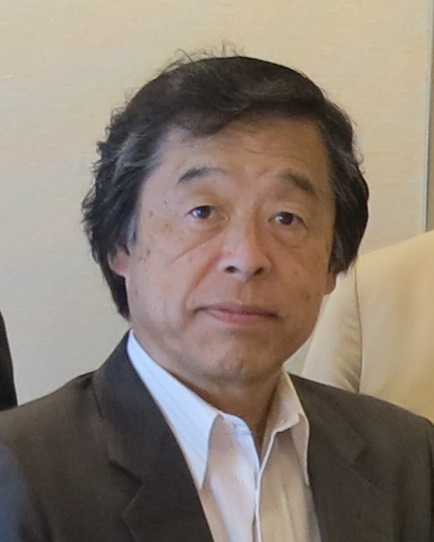 Yujiro Oiwa
 Hironobu Ishikawa
 Shiro Takahashi
 Katsuhiko Takaike
 Michio Ezaki
 Akira Momochi
 Akio Yaita
 Yoshihiko Yamada
 Seiji Kurosawa
 Koichi Endo
 Brahma Chellaney
 Nobuko Araki
 Yang Haiying
 James Auer
 Sumihiko Kawamura
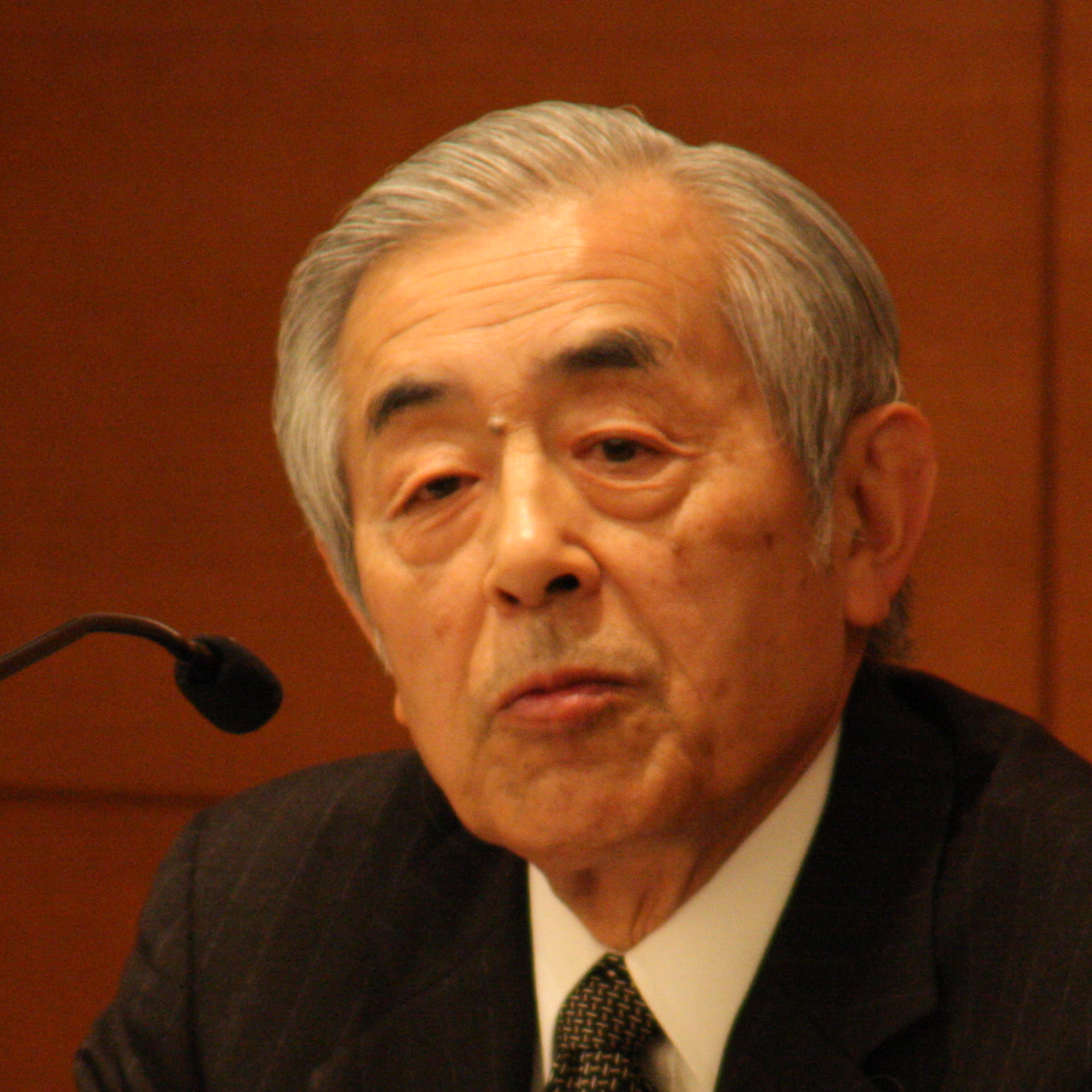 Hiroshi Kimura
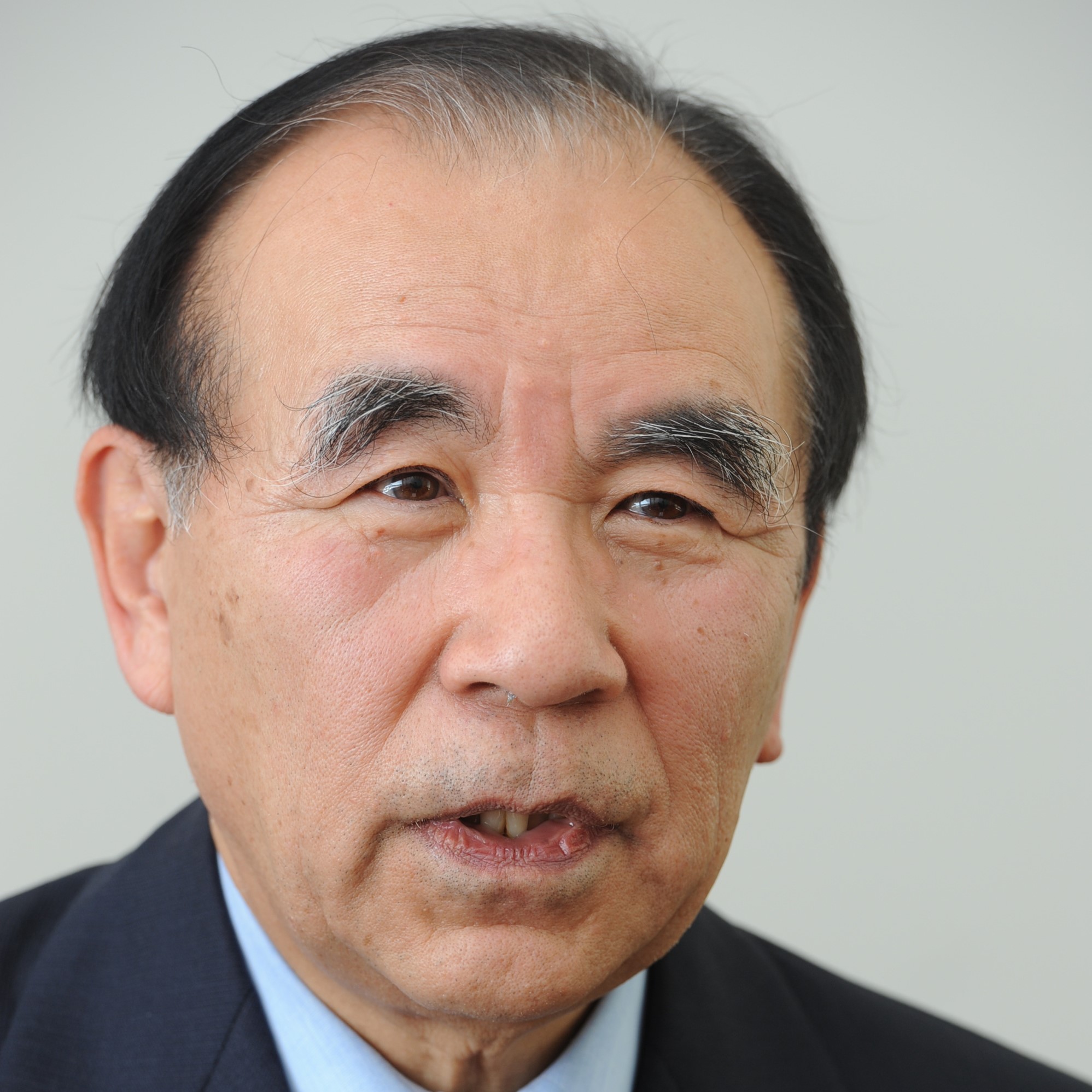 Osamu Nishi
 Koko Kato
 Tadashi Saito
 Shohei Umezawa
 Jason Morgan
 Arvind Gupta
 Kenro Nagoshi
 Takeshi Kudo
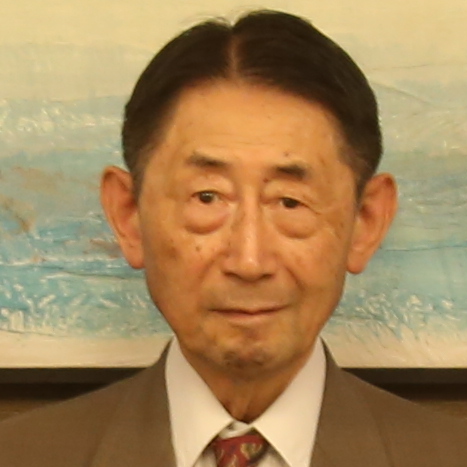 Sukehiro Hirakawa
 Yumiko Nishimoto
 Rikiwo Shikama
 Eriko Yamatani
 Koichi Furusho
 Tadashi Ito
 Satoshi Hirano
 Lee Woo Young
 Taro Yayama
 Koh Sekai
 Koji Okamoto
 Tsutomu Toichi
 Hideaki Karaki
 Toshu Noguchi
 Kichinosuke Ihara
 Hisashi Matsumoto
 Yasuyuki Takai
 Nobuyuki Sato
 Chung Dae Kyun
 Toshio Watanabe
 Katsuya Tsukamoto
 Kazuto Suzuki
 Koichi Mera
 Akihisa Nagashima
 Miki Kase
 Eitaro Ogawa
 Hirotaka Watanabe
 Akinaka Senzaki
 Kevin Maher
 Yang Yi
 Hidetake Sawa
 Satoshi Tomisaka
 Nobukatsu Fujioka
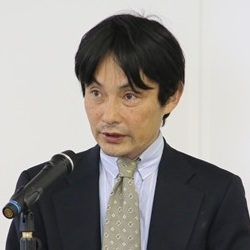 Masanori Kondo
 Hiroshi Ito
 Mio Sugita
 Rupakjyoti Borah
 Seiichi Okutomi
 Saburo Tsukamoto
 Yasuo Naito
 Satoshi Sakakibara
 Yen-Hung Lin
 Sanae Takaichi
 Haruhisa Nakagawa
 Norihide Miyoshi
 Syunichi Akasofu
 Ryoichi Hamamoto
 Hong Hyung
 Andrii Gurenko
 Ronald Morse
 Kazuhiko Inoue
 Keiichi Nakagawa
 Masamori Sase
 Katsutoshi Kawano
 Tomohisa Takei