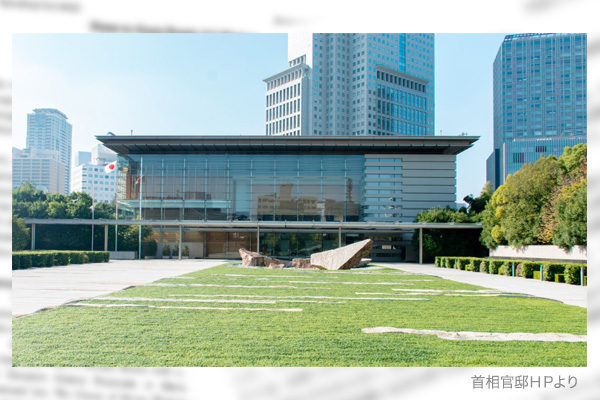
A senior official at the Prime Minister’s Office on December 18 told reporters that he personally believed that “Japan should possess nuclear weapons,” according to media reports. But the official noted that the government was not advancing discussions on the matter and that it would be difficult for Japan to possess nuclear weapons under the present Nuclear Non-Proliferation Treaty regime.
Serious deterioration of the security environment
The official based the remark on Japan’s increasingly severe national security environment highlighted by China’s nuclear force buildup, Russia’s nuclear intimidation, and North Korea’s nuclear development. In fact, China has increased its number of nuclear warheads by 360 over the past four years to about 600. North Korea is believed to possess some 50 nuclear warheads. “Beijing probably would consider nuclear first use if a conventional military defeat in Taiwan gravely threatened CCP (Chinese Communist Party) regime survival,” the U.S. Department of Defense said in its 2024 annual report on Military and Security Developments Involving the People’s Republic of China. Furthermore, Russia in 2022 seriously considered using tactical nuclear weapons during its invasion of Ukraine. These developments suggest the threshold for nuclear use was actually being lowered.
Even more serious is that U.S. nuclear deterrence itself is flagging. The U.S. National Security Strategy, released on December 4, while emphasizing the importance of preserving military overmatch against China, acknowledges that it is difficult for the United States to do so alone due to a relative decline in its national power. Given the current U.S. situation where concerns have been raised that the U.S. would have difficulties deterring the three nuclear powers of China, Russia, and North Korea simultaneously, it is clear that the Japan-U.S. alliance that fully depends on the U.S. nuclear umbrella is reaching a critical turning point.
The government is responsible for protecting the nation from a nuclear attack
Under such circumstances, the government is required to enhance its deterrence to securely protect Japan from nuclear threats, or prevent Japan from being attacked with nuclear weapons again. It is the government’s responsibility to seriously consider what policies should be implemented to that end. Regardless of whether or not the possession of nuclear weapons is a realistic option for the immediate future, allowing a vacuum in deterrence to persist is unacceptable. The remark by the official should be taken as calling attention to the urgent issue.
Japan is a democratic nation. Problems related to the survival of the nation must not be sealed off emotionally or ideologically. Gone are the days when discussions over nuclear weapons were viewed as taboo. Deepening national discussions based on a sober awareness of the facts and a realistic view of national security is the way to achieve true peace and security.
Kiyofumi Iwata is a member of the Planning Committee at the Japan Institute for National Fundamentals. Formerly, he served as Chief of Staff of the Japan Ground Self-Defense Force.
 Tsutomu Nishioka
 Takashi Arimoto
 Tadae Takubo
 Fumio Ota
 Yoshiko Sakurai
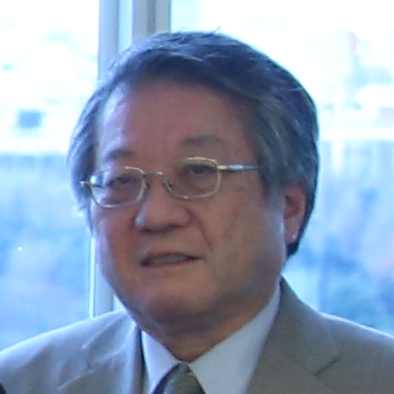 Yasushi Tomiyama
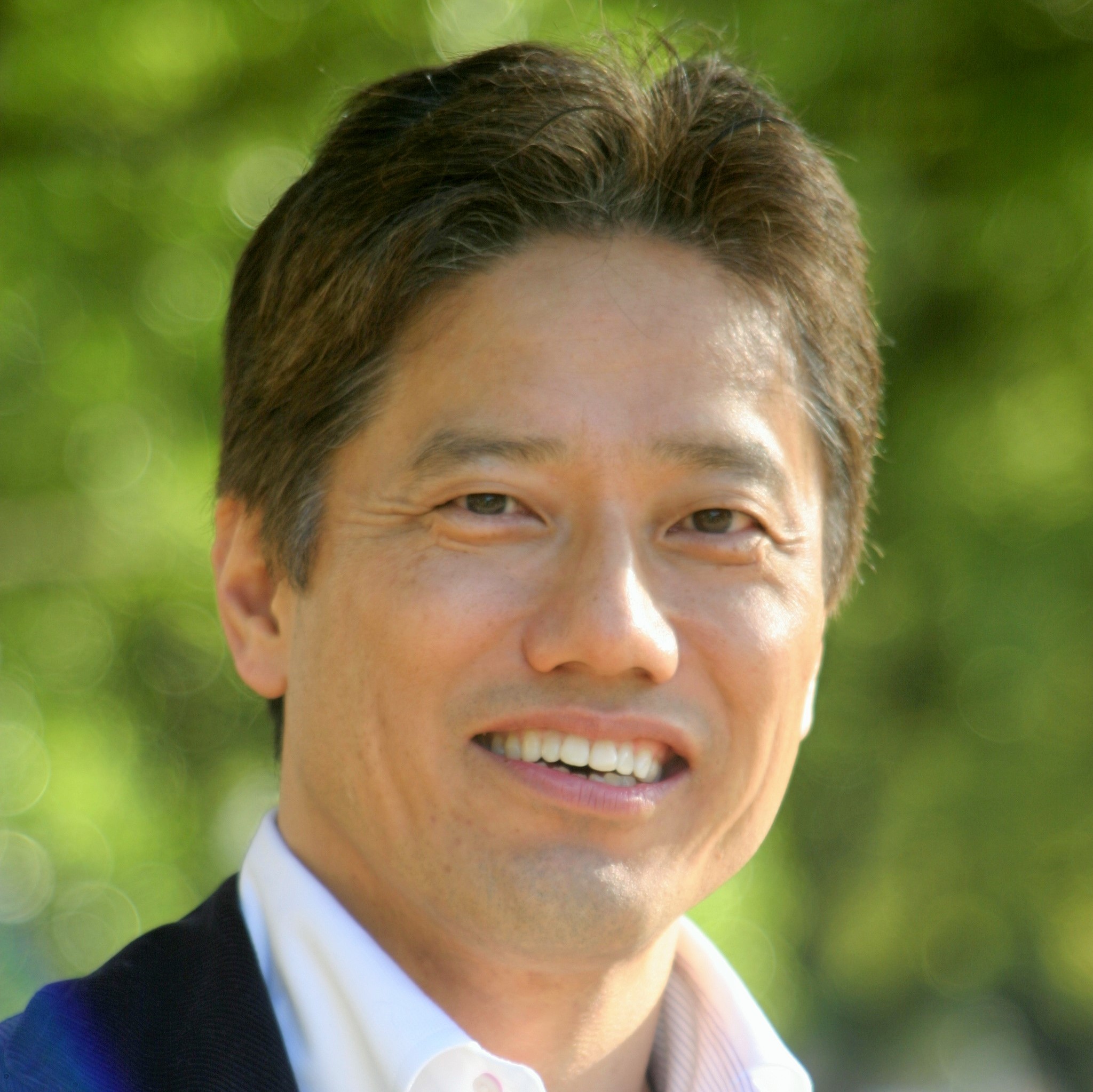 Masahiko Hosokawa
 Yoichi Shimada
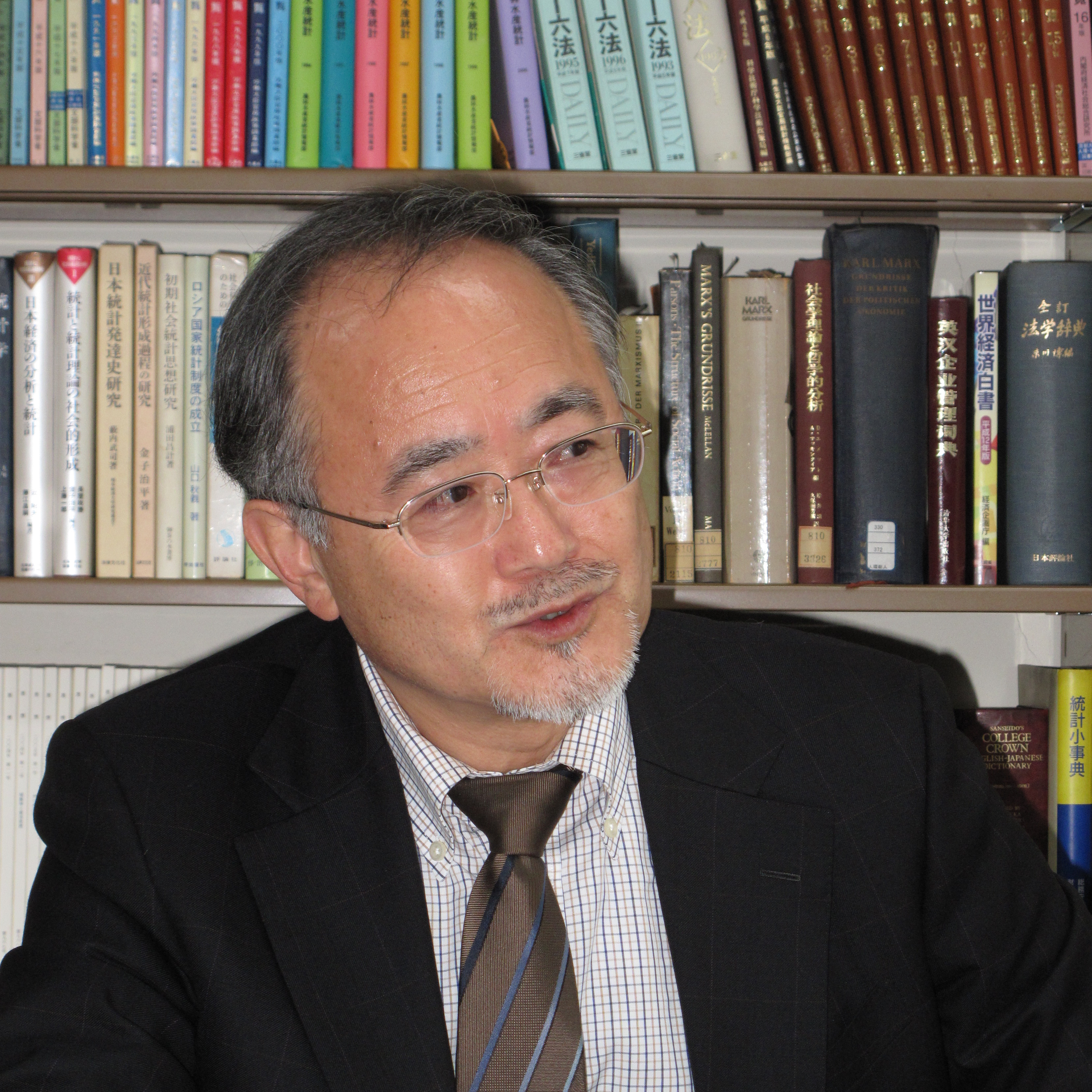 Hiroshi Yuasa
 Tadashi Narabayashi
 Hideo Tamura
 Kunio Orita
 Maki Nakagawa
 Etsuro Honda
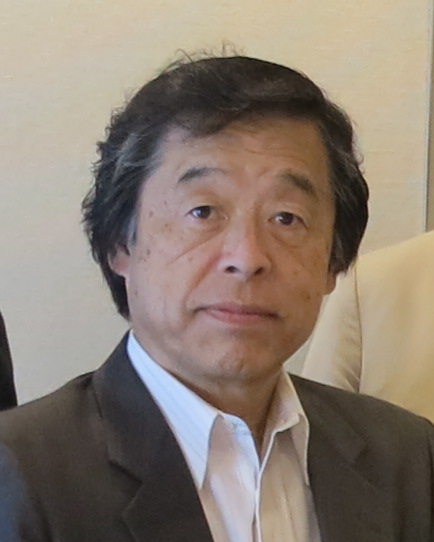 Yujiro Oiwa
 Hironobu Ishikawa
 Shiro Takahashi
 Katsuhiko Takaike
 Michio Ezaki
 Akira Momochi
 Akio Yaita
 Yoshihiko Yamada
 Seiji Kurosawa
 Koichi Endo
 Brahma Chellaney
 Nobuko Araki
 Yang Haiying
 James Auer
 Sumihiko Kawamura
 Hiroshi Kimura
 Osamu Nishi
 Koko Kato
 Tadashi Saito
 Shohei Umezawa
 Jason Morgan
 Arvind Gupta
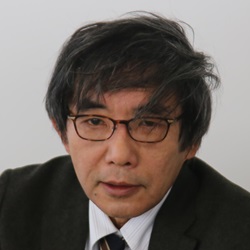 Kenro Nagoshi
 Takeshi Kudo
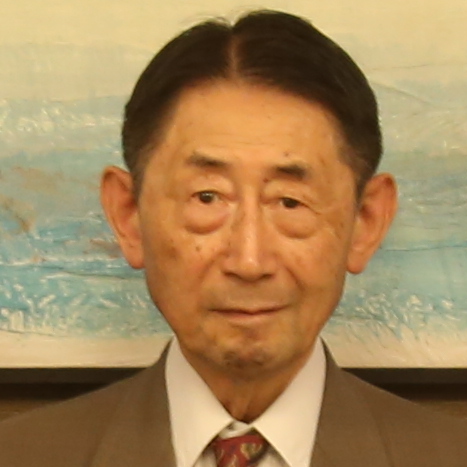 Sukehiro Hirakawa
 Yumiko Nishimoto
 Rikiwo Shikama
 Eriko Yamatani
 Koichi Furusho
 Tadashi Ito
 Satoshi Hirano
 Lee Woo Young
 Taro Yayama
 Koh Sekai
 Koji Okamoto
 Tsutomu Toichi
 Hideaki Karaki
 Toshu Noguchi
 Kichinosuke Ihara
 Hisashi Matsumoto
 Yasuyuki Takai
 Nobuyuki Sato
 Chung Dae Kyun
 Toshio Watanabe
 Katsuya Tsukamoto
 Kazuto Suzuki
 Koichi Mera
 Akihisa Nagashima
 Miki Kase
 Eitaro Ogawa
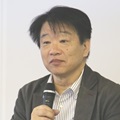 Hirotaka Watanabe
 Akinaka Senzaki
 Kevin Maher
 Yang Yi
 Hidetake Sawa
 Satoshi Tomisaka
 Nobukatsu Fujioka
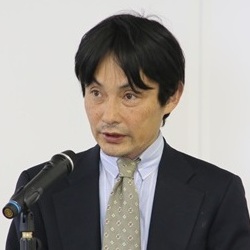 Masanori Kondo
 Hiroshi Ito
 Mio Sugita
 Rupakjyoti Borah
 Seiichi Okutomi
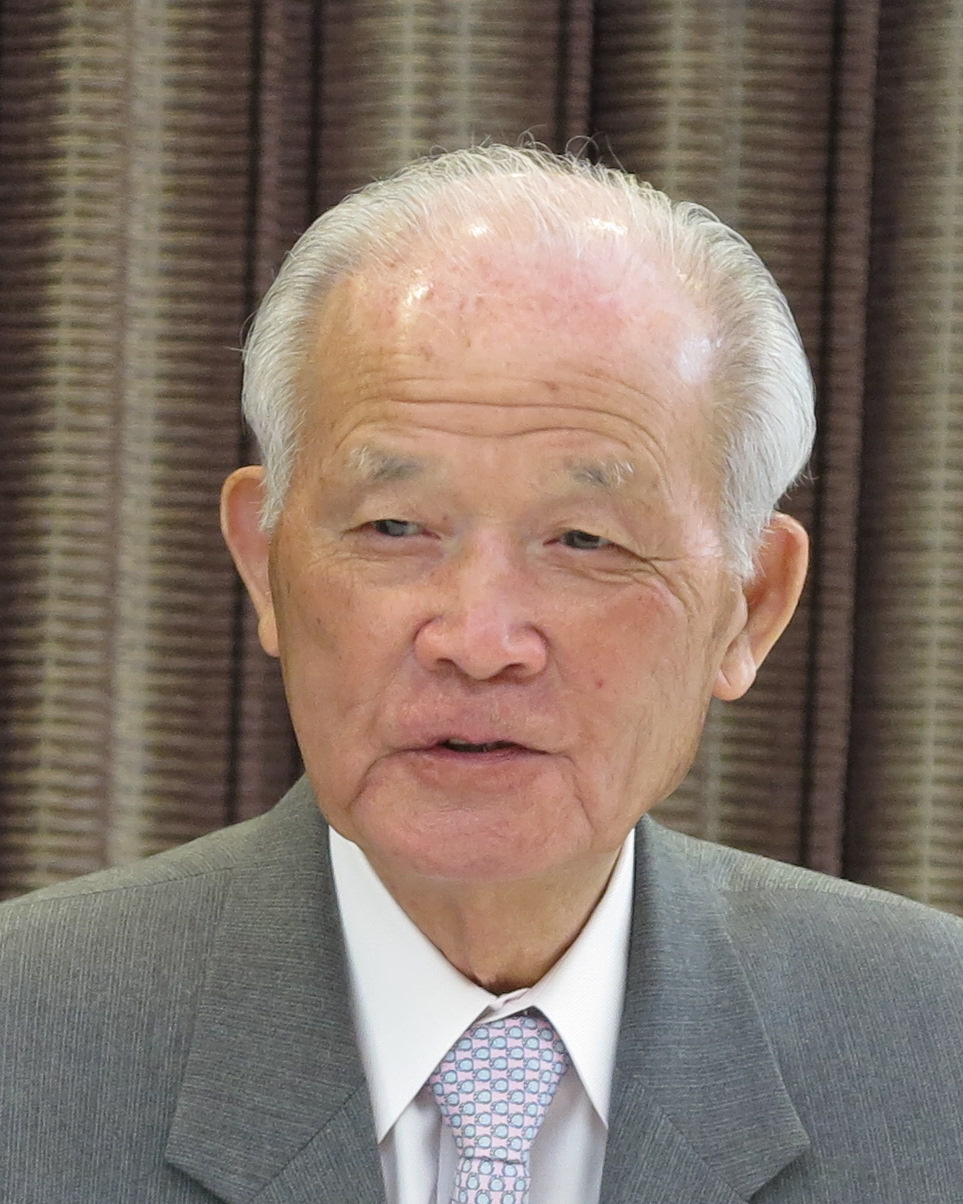 Saburo Tsukamoto
 Yasuo Naito
 Satoshi Sakakibara
 Yen-Hung Lin
 Sanae Takaichi
 Haruhisa Nakagawa
 Norihide Miyoshi
 Syunichi Akasofu
 Ryoichi Hamamoto
 Hong Hyung
 Andrii Gurenko
 Ronald Morse
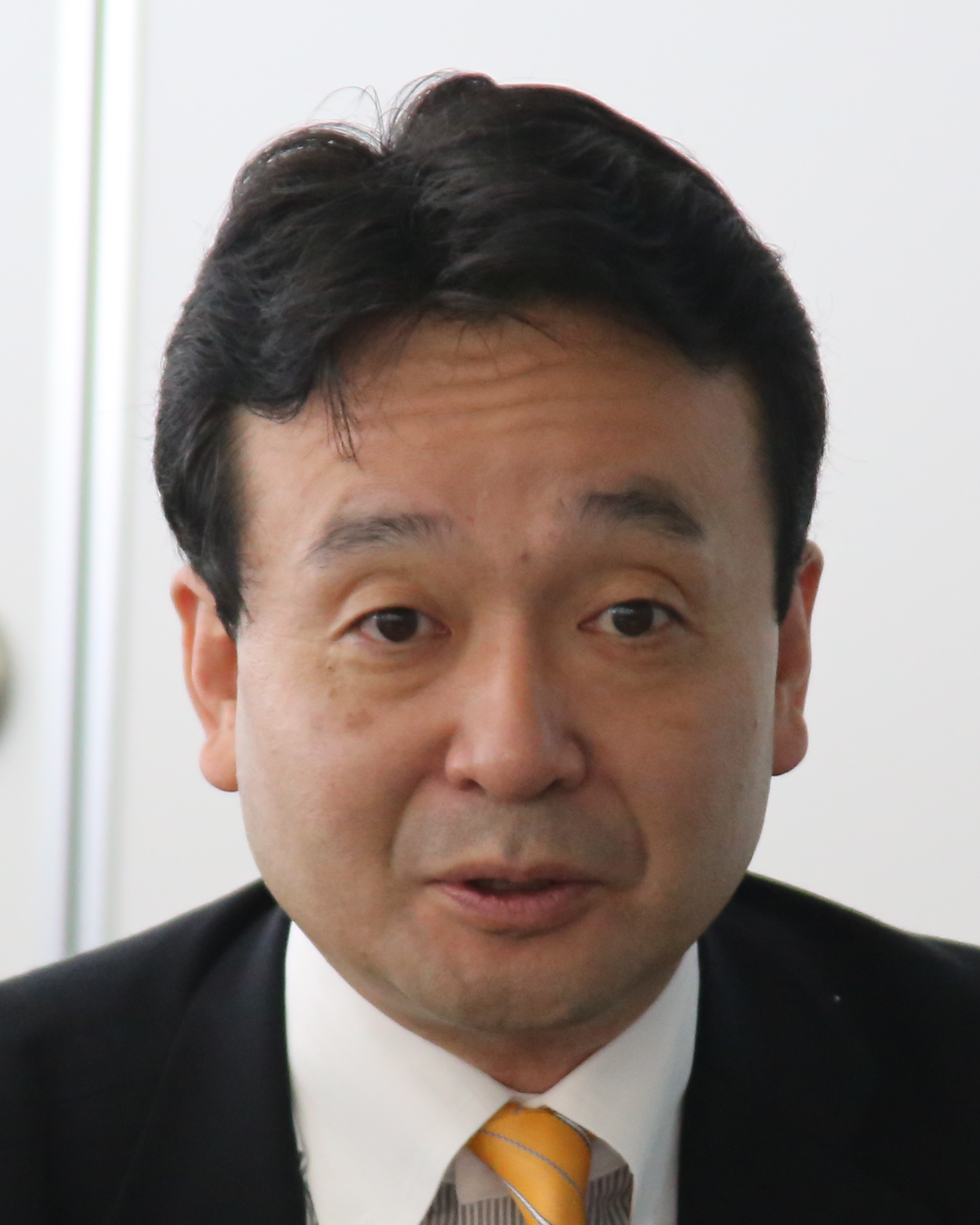 Kazuhiko Inoue
 Keiichi Nakagawa
 Masamori Sase
 Katsutoshi Kawano
 Tomohisa Takei