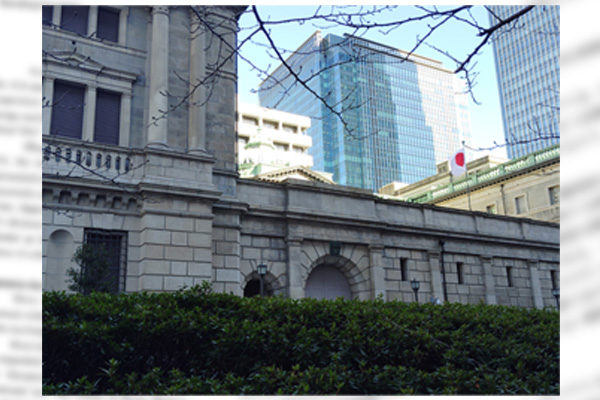
The Bank of Japan at its monetary policy meeting on December 19 decided to raise its policy interest rate by 0.25 percentage points to 0.75%. At a press conference after the decision, BOJ Governor Kazuo Ueda expressed his intention to continue raising interest rates next year. By narrowing the interest rate differential between Japan and the United States, the central bank aims to stop the yen’s depreciation. However, downside pressure on the yen is still high. Previous Interest rate hikes have stimulated speculative yen selling instead of blocking the yen’s depreciation. What the BOJ now should give priority is to align with the Sanae Takaichi government’s economic revitalization strategy that seeks to reduce income tax and expand corporate capital investment. Unless the economy becomes strong, the yen will not become strong.
Rate hikes blowing away effects of tax cut
On the day before the BOJ’s interest rate hike decision, Prime Minister Takaichi agreed with the opposition Democratic Party for the People to raise the tax-free annual income threshold to 1.78 million yen. The agreement allows the government to strengthen its political base through cooperation with the DPP, making it easier for the government to pass a large-scale supplementary budget for fiscal 2025 and a principal budget for fiscal 2026 to implement its seamless “responsible and proactive fiscal policy.”
In addition, the Takaichi government plans to negotiate a refundable tax credit program for a fiscal 2026 tax reform with the opposition camp to enhance tax cuts for middle- and low-income earners. Unless take-home pay is increased for working people who have become impoverished during Japan’s lost three decades, consumption will not expand, with companies dependent on domestic demand remaining unable to increase domestic investment. Given this point, Takaichi’s fiscal policy makes perfect sense.
However, the BOJ’s path of rate hikes carries an air of indifference, as if to say, “We do not care about the fiscal policy.” For instance, the policy rate hike will negatively affect working-age households who rely on variable-rate mortgages. The 0.25-point policy rate hike is estimated to boost annual interest payments by 15,000 yen for housing loan borrowers aged up to 29 and by 27,000 yen for those in their 30s, according to estimates by Mizuho Research and Technologies, as reported by the morning edition of the Sankei Shimbun newspaper on December 19.
Tax cuts accompanying the increase in the tax-free annual income threshold are estimated by a Dai-Ichi Life Research Institute economist as 8,000 yen for an annual income of 4 million yen, 27,000 yen for 5 million yen, and 36,000 yen for 6 million yen. Tax cuts for low- and middle-income earners dominant among young workers would be completely or nearly blown away by increases in interest payments through the interest rate hike.
Required policy coordination with the government
The BOJ may implement further interest rate hikes next year, based on substantial wage increases to be achieved through spring labor-management negotiations. However, wage hikes among large companies may not necessarily spread to smaller firms that account for 70% of Japan’s employment. In fact, Japan’s all-industry average real wage level for this year slipped below the year-before level.
On the other hand, the fiscal balance continues to improve significantly due to an increase in tax revenues. There is plenty of room for further tax cuts next year. The BOJ must not reduce their effects.
Hideo Tamura is a Planning Committee member at the Japan Institute for National Fundamentals and a columnist for the Sankei Shimbun newspaper.
 Tsutomu Nishioka
 Takashi Arimoto
 Tadae Takubo
 Fumio Ota
 Yoshiko Sakurai
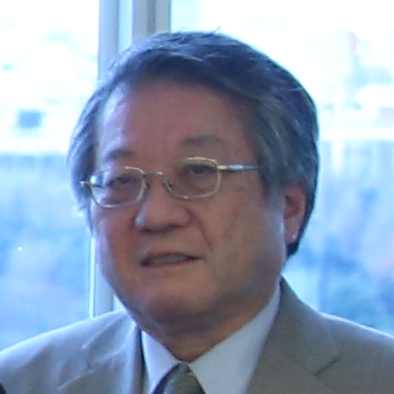 Yasushi Tomiyama
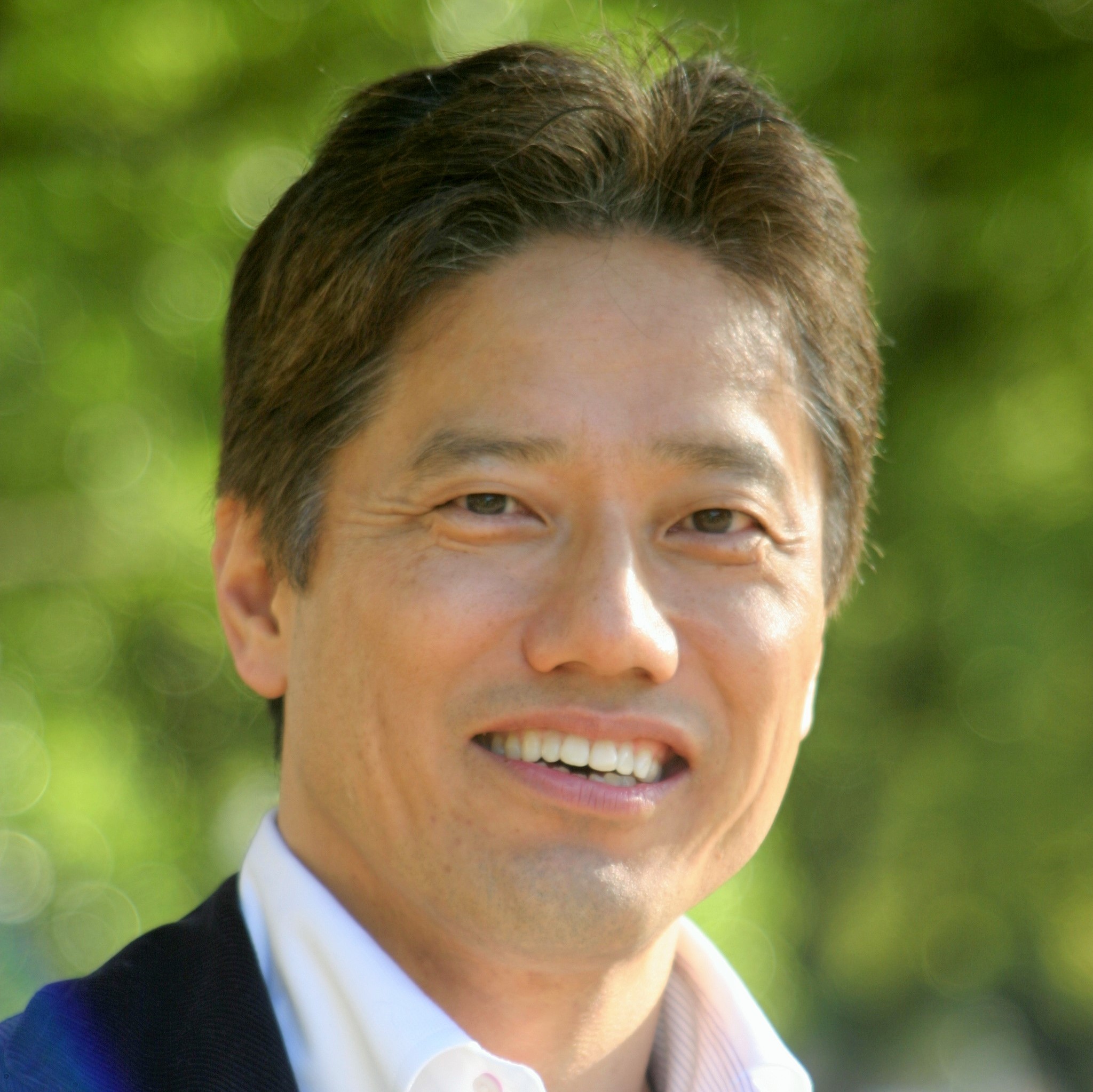 Masahiko Hosokawa
 Yoichi Shimada
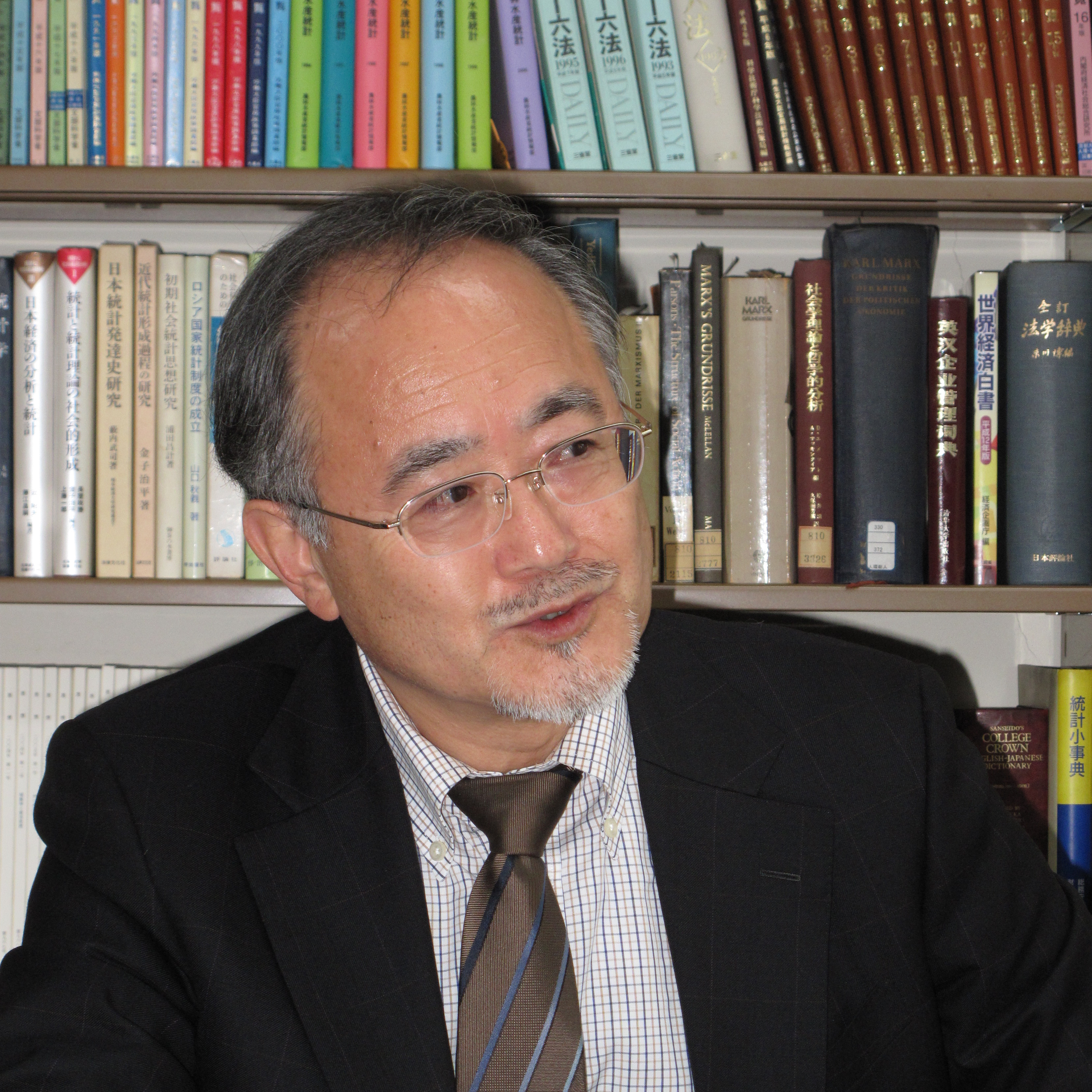 Hiroshi Yuasa
 Tadashi Narabayashi
 Kiyofumi Iwata
 Kunio Orita
 Maki Nakagawa
 Etsuro Honda
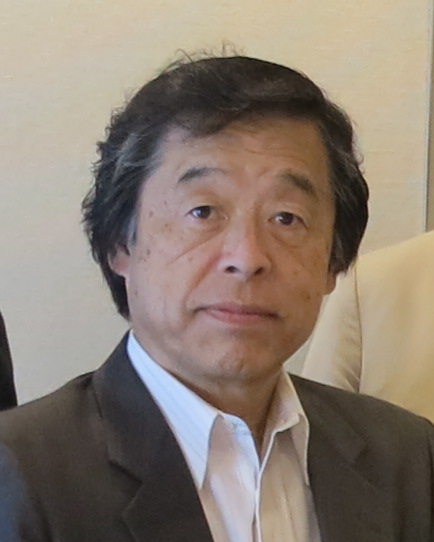 Yujiro Oiwa
 Hironobu Ishikawa
 Shiro Takahashi
 Katsuhiko Takaike
 Michio Ezaki
 Akira Momochi
 Akio Yaita
 Yoshihiko Yamada
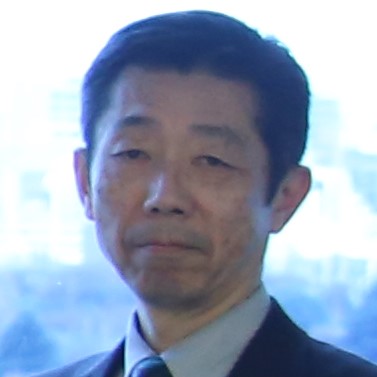 Seiji Kurosawa
 Koichi Endo
 Brahma Chellaney
 Nobuko Araki
 Yang Haiying
 James Auer
 Sumihiko Kawamura
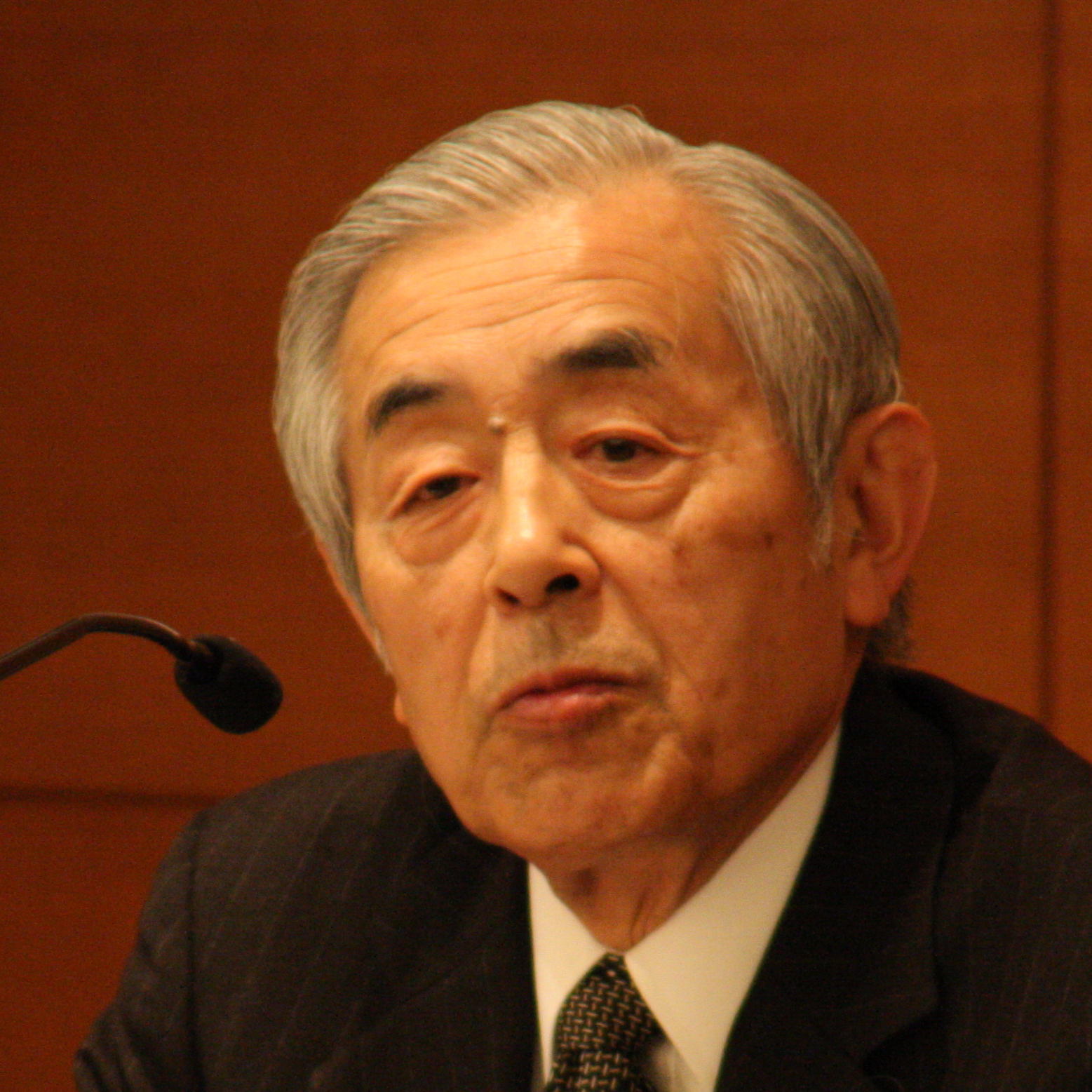 Hiroshi Kimura
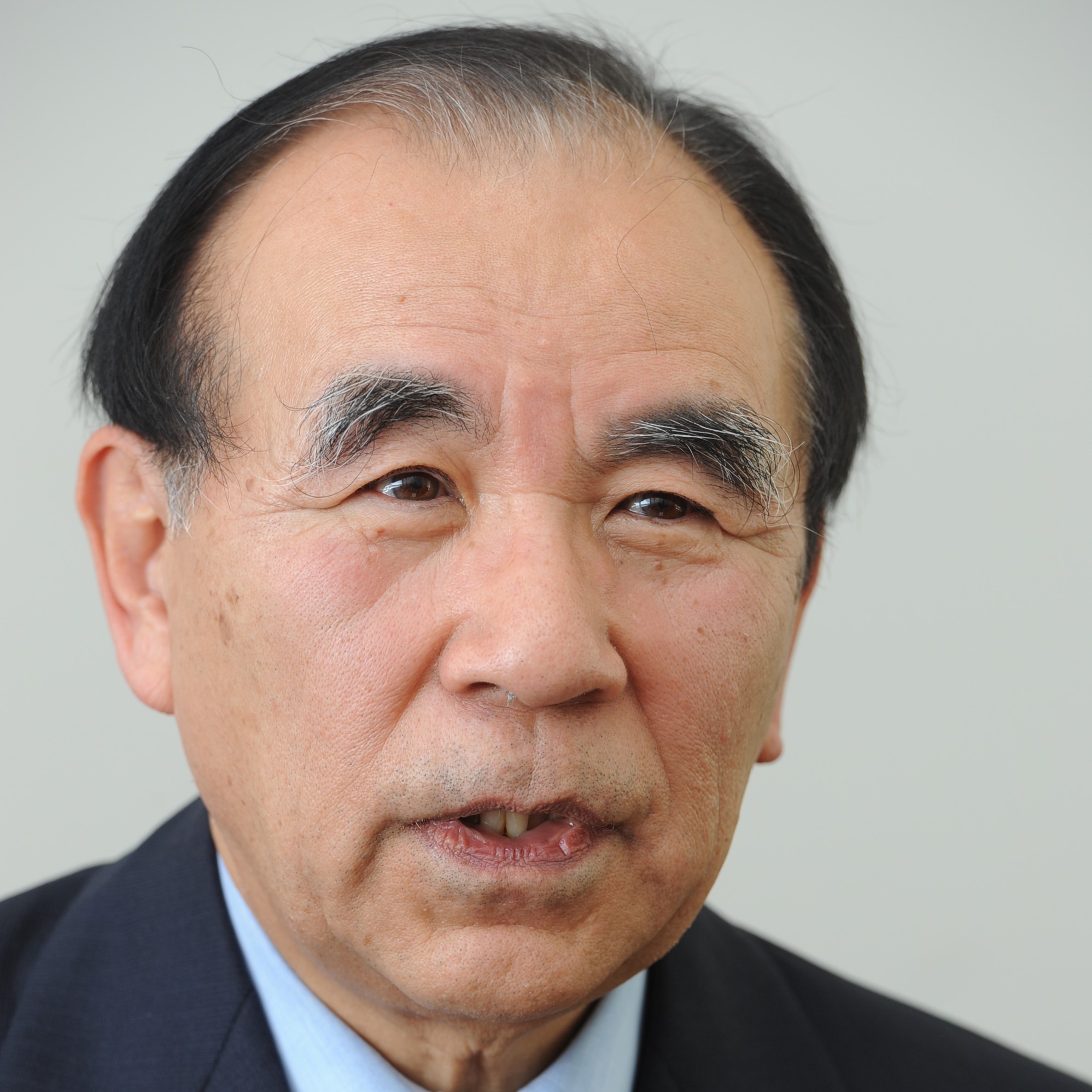 Osamu Nishi
 Koko Kato
 Tadashi Saito
 Shohei Umezawa
 Jason Morgan
 Arvind Gupta
 Kenro Nagoshi
 Takeshi Kudo
 Sukehiro Hirakawa
 Yumiko Nishimoto
 Rikiwo Shikama
 Eriko Yamatani
 Koichi Furusho
 Tadashi Ito
 Satoshi Hirano
 Lee Woo Young
 Taro Yayama
 Koh Sekai
 Koji Okamoto
 Tsutomu Toichi
 Hideaki Karaki
 Toshu Noguchi
 Kichinosuke Ihara
 Hisashi Matsumoto
 Yasuyuki Takai
 Nobuyuki Sato
 Chung Dae Kyun
 Toshio Watanabe
 Katsuya Tsukamoto
 Kazuto Suzuki
 Koichi Mera
 Akihisa Nagashima
 Miki Kase
 Eitaro Ogawa
 Hirotaka Watanabe
 Akinaka Senzaki
 Kevin Maher
 Yang Yi
 Hidetake Sawa
 Satoshi Tomisaka
 Nobukatsu Fujioka
 Masanori Kondo
 Hiroshi Ito
 Mio Sugita
 Rupakjyoti Borah
 Seiichi Okutomi
 Saburo Tsukamoto
 Yasuo Naito
 Satoshi Sakakibara
 Yen-Hung Lin
 Sanae Takaichi
 Haruhisa Nakagawa
 Norihide Miyoshi
 Syunichi Akasofu
 Ryoichi Hamamoto
 Hong Hyung
 Andrii Gurenko
 Ronald Morse
 Kazuhiko Inoue
 Keiichi Nakagawa
 Masamori Sase
 Katsutoshi Kawano
 Tomohisa Takei