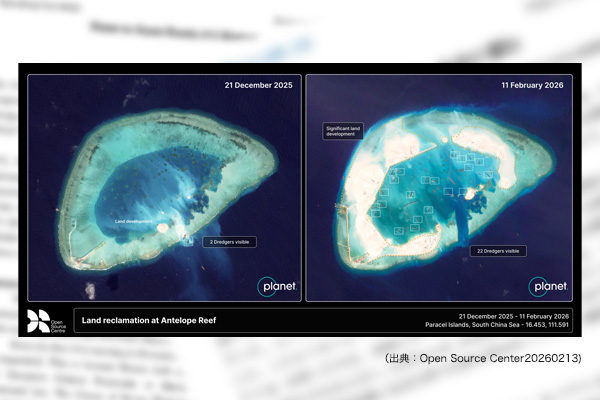
China has started new land reclamation at Antelope Reef in the Paracel Islands of the South China Sea, where it is engaged in a territorial dispute with Vietnam, according to a non-profit research organization based in Britain. The Open Source Center included satellite images in its report showing evidence of the land‑filling work.
Given that China has turned Woody Island, located 90 kilometers northeast of Antelope Reef, into a military outpost with a 3,000-meter runway, the reef could be developed as a reserve base for air defense, replenishment, and intelligence gathering for the Chinese military.
First large land‑filling work in 10 years
The Open Source Center on February 13 reported that land-reclamation efforts at Antelope Reef began in December last year, and several square kilometers of land appeared to have already been created by early February. Chinese-flagged dredgers, likely operated by subsidiaries of the state-owned China Communications Construction Company, were identified at the reef.
(https://stories.opensourcecentre.org/coral-to-concrete/)
From 2014, China reclaimed land around seven reefs in the Spratly Islands on the South China Sea, where it has territorial disputes with neighboring countries including Vietnam and the Philippines, building artificial islands and deploying ships and military aircraft to turn them into military outposts. In June 2015, China declared that land reclamation in the Spratly Islands had been completed, and although infrastructure development has continued since then, no large‑scale reclamation has been observed. The latest land reclamation in the Paracel Islands marks the first major land‑filling operation in the South China Sea in 10 years.
Cyberwarfare unit on Firey Cross Reef
Meanwhile, military activities have been robust on the artificial islands in the Spratly Islands. On February 10, President and Central Military Commission Chairman Xi Jinping conducted his customary pre‑Spring Festival inspection of military units remotely, and one of the nine units he inspected was a cyberwarfare unit on Firey Cross Reef in the Spratly Islands. Although cyberwarfare-related equipment had been observed on the reef, the deployment of the cyberwarfare unit to the Spratly Islands was officially reported for the first time.
Seventeen people, including the commander and political commissar who are colonels, were seen on the screen. If the commander is a resident officer there, his rank suggests that detachments are likely deployed on other artificial islands as well, and that a battalion‑level cyberspace unit may be permanently stationed across the Spratly Islands, monitoring and gathering intelligence on other countries and conducting electronic-jamming training in preparation for contingencies.
It also appears that training is being conducted to dispatch reinforcement units from the mainland to the Spratly Islands in the event of a contingency. In October last year, it was reported that the Air Force vehicle unit of the Southern Theater Command in charge of the South China Sea conducted a training for moving from a mainland base on board civilian vessels to a mission site 3,000 kilometers away. The distance indicates that the mission site was an artificial island in the South China Sea. As the Chinese Air Force plans to forward‑deploy operational aircraft to artificial islands to engage in anti-submarine warfare and deny U.S. military access in the event of a contingency, the training might have been designed for moving supporting units by sea.
Maki Nakagawa is a researcher at the Japan Institute for National Fundamentals and a former commander of the Basic Intelligence Unit, Japan Ground Self-Defense Force.
 Tsutomu Nishioka
 Takashi Arimoto
 Tadae Takubo
 Fumio Ota
 Yoshiko Sakurai
 Yasushi Tomiyama
 Masahiko Hosokawa
 Yoichi Shimada
 Hiroshi Yuasa
 Tadashi Narabayashi
 Hideo Tamura
 Kiyofumi Iwata
 Kunio Orita
 Etsuro Honda
 Yujiro Oiwa
 Shiro Takahashi
 Hironobu Ishikawa
 Katsuhiko Takaike
 Michio Ezaki
 Akira Momochi
 Yoshihiko Yamada
 Akio Yaita
 Seiji Kurosawa
 Brahma Chellaney
 Koichi Endo
 Nobuko Araki
 James Auer
 Yang Haiying
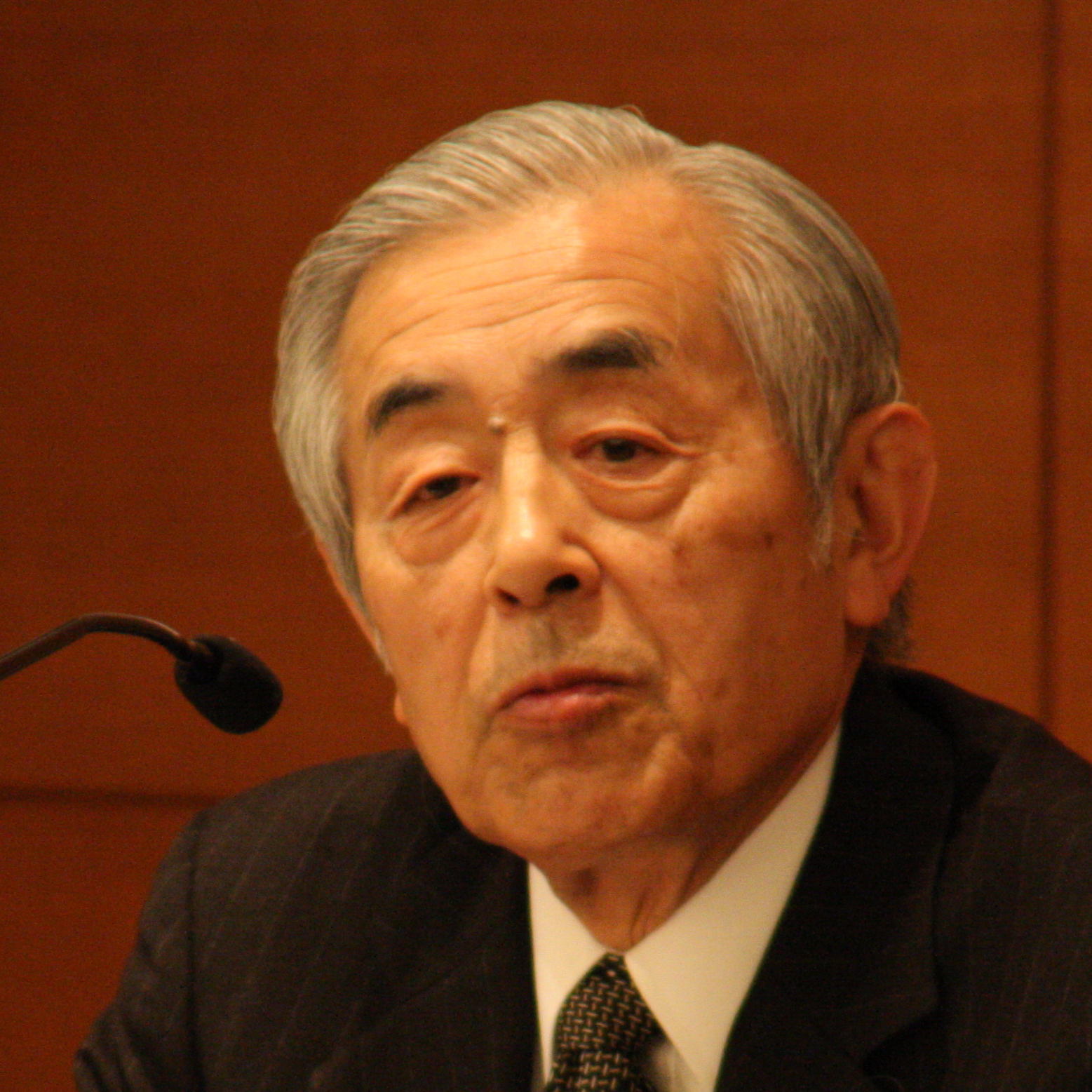 Hiroshi Kimura
 Sumihiko Kawamura
 Arvind Gupta
 Shohei Umezawa
 Koko Kato
 Takeshi Kudo
 Jason Morgan
 Kenro Nagoshi
 Tadashi Saito
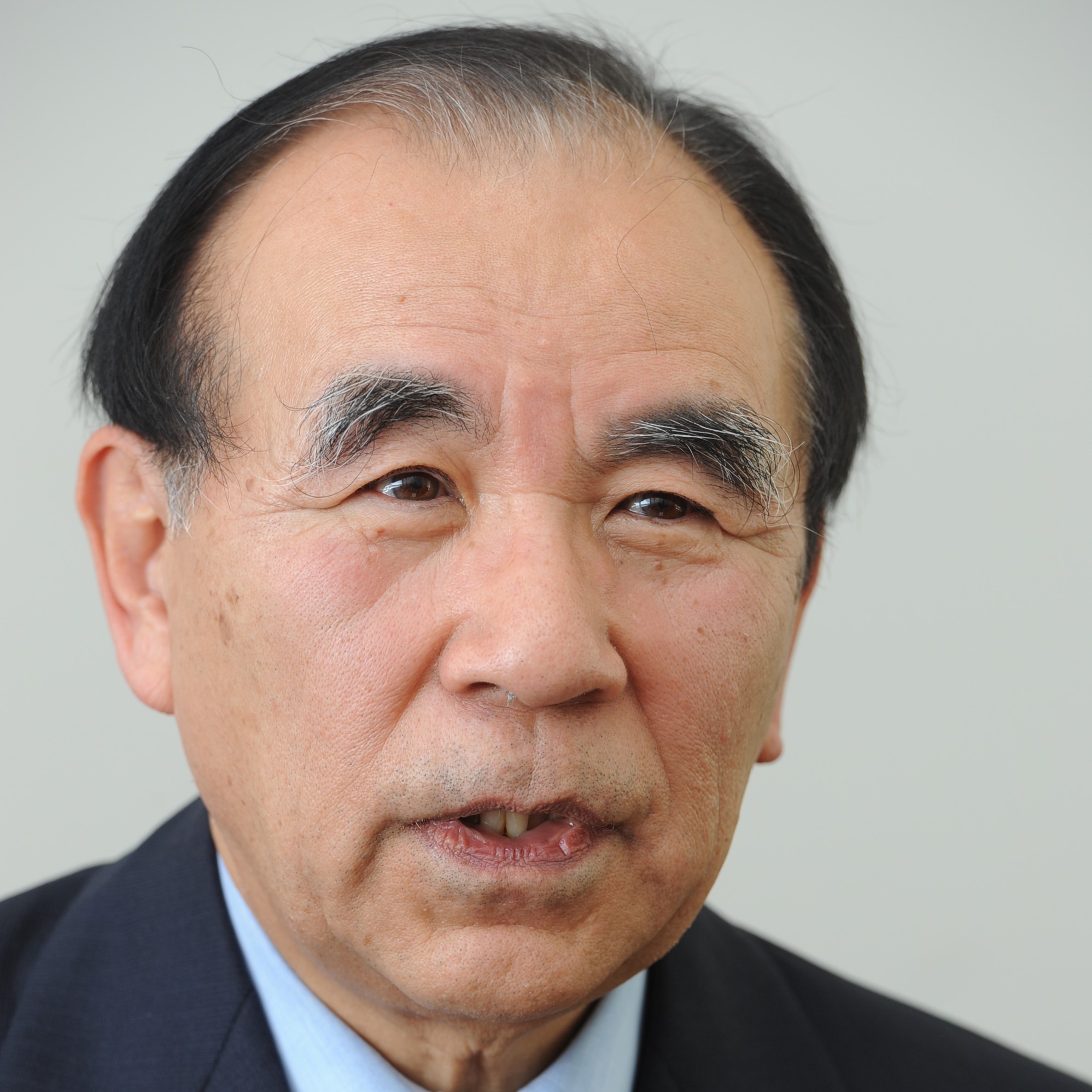 Osamu Nishi
 Hisashi Matsumoto
 Tsutomu Toichi
 Kichinosuke Ihara
 Nobuyuki Sato
 Yumiko Nishimoto
 Toshu Noguchi
 Satoshi Hirano
 Hideaki Karaki
 Koji Okamoto
 Tadashi Ito
 Eriko Yamatani
 Lee Woo Young
 Rikiwo Shikama
 Sukehiro Hirakawa
 Taro Yayama
 Yasuyuki Takai
 Koh Sekai
 Koichi Furusho
 Sanae Takaichi
 Satoshi Tomisaka
 Yen-Hung Lin
 Ryoichi Hamamoto
 Andrii Gurenko
 Katsutoshi Kawano
 Kazuto Suzuki
 Kevin Maher
 Miki Kase
 Akihisa Nagashima
 Ronald Morse
 Hidetake Sawa
 Yang Yi
 Keiichi Nakagawa
 Seiichi Okutomi
 Haruhisa Nakagawa
 Hong Hyung
 Mio Sugita
 Tomohisa Takei
 Rupakjyoti Borah
 Masamori Sase
 Chung Dae Kyun
 Hirotaka Watanabe
 Masanori Kondo
 Koichi Mera
 Syunichi Akasofu
 Satoshi Sakakibara
 Hiroshi Ito
 Toshio Watanabe
 Nobukatsu Fujioka
 Eitaro Ogawa
 Saburo Tsukamoto
 Kazuhiko Inoue
 Norihide Miyoshi
 Yasuo Naito
 Katsuya Tsukamoto
 Akinaka Senzaki