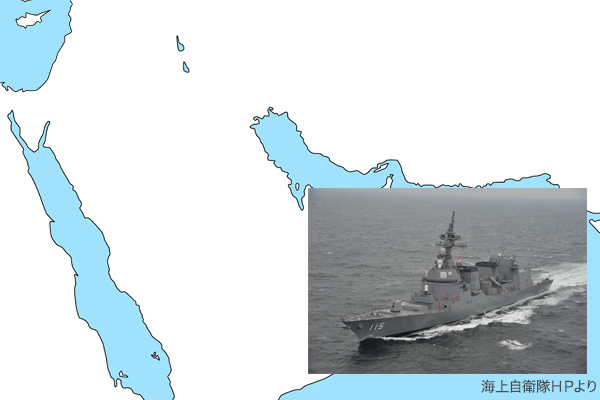
On March 14, U.S. President Donald Trump asked Japan and other countries to send warships to escort civilian vessels in the Strait of Hormuz, a key point for maritime transportation from the Middle East. If Japan, which depends on the Middle East for 90% of its crude oil imports, fails to contribute to safe navigation in the Strait of Hormuz and leaves other countries to escort even Japan-related ships, it will naturally face criticism in the international community. Japan should first dispatch destroyers of the Maritime Self-Defense Force for maritime security operations under the Self-Defense Forces Law and then enact a special measures law to define the escort of ships in the Strait of Hormuz as their official mission.
Enact a special measures law swiftly
In the Persian Gulf, where the Strait of Hormuz serves as a gateway, attacks on tankers and other civilian vessels have been occurring amid the escalating war waged by the United States and Israel against Iran. On March 11, a container ship owned by Mitsui OSK Lines sustained damage to its hull. As of March 13, 45 Japanese-related ships were stranded in the gulf, with 24 Japanese nationals on board.
The damage to the container ship was similar to that to the crude oil tanker M. STAR, also owned by the Mitsui OSK Lines, that was attacked in the Strait of Hormuz in July 2010. This similarity suggests that the damage to the container ship may have been caused by a limpet mine attached with magnets.
In April 2004, the NYK supertanker Takasuzu was targeted in a suicide boat attack in the Persian Gulf. Two U.S. Navy sailors and one U.S. Coast Guardsman were killed while attempting to intercept the attackers. If a similar incident occurs again in the absence of MSDF ships, Japan will be criticized for free-riding on U.S. security guarantees.
It would be difficult to invoke the right of collective self‑defense by designating the case a “survival‑threatening situation” as the legal basis for dispatching MSDF ships. Past statements by prime ministers in the Diet indicate that such an invocation would require the U.S. and Israeli attacks on Iran to be consistent with international law.
Furthermore, maritime security operations under the SDF Law allow only the exercise of police powers, and operations in a conflict zone risk exceeding the bounds of permissible legal interpretation. In March 2009, Japan sent MSDF destroyers and patrol aircraft to deal with piracy in the Gulf of Aden initially as maritime security operations. They started surveillance there in June, and, following the enforcement of the Anti-Piracy Act in July, shifted to that law as the legal basis. This precedent should be followed in the present case.
Akizuki-class destroyers are suitable for the mission
The Akizuki-class destroyers, of which the MSDF owns four, are the most suitable for dispatch. In addition to having Local Area Defense capabilities to protect ships from aerial attack, this class features an enlarged helicopter hangar capable of accommodating the MCH‑101 minesweeping and transport helicopter. If a ceasefire is achieved and the mission shifts from escorting to minesweeping, these destroyers may still be able to respond effectively. Japan’s minesweeping capabilities are highly regarded internationally.
On the other hand, Takanami- and Murasame-class destroyers dispatched under the Anti-Piracy Act are allowed to operate only in the waters off Somalia and in the Gulf of Aden. They cannot simply be used for the escort mission in the Strait of Hormuz. Furthermore, there are concerns about their air defense capabilities. Aegis destroyers have excellent air defense capabilities, but their dispatch to the Middle East would raise concerns given North Korea's frequent missile launches and a possible Chinese invasion of Taiwan.
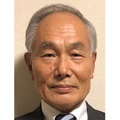
Fumio Ota is a senior fellow and a Planning Committee member at the Japan Institute for National Fundamentals. He is a retired Vice Admiral of Japan Maritime Self-Defense Force and former Director of the Defense Intelligence Headquarters.
 Tsutomu Nishioka
 Tadae Takubo
 Takashi Arimoto
 Yoshiko Sakurai
 Yasushi Tomiyama
 Masahiko Hosokawa
 Yoichi Shimada
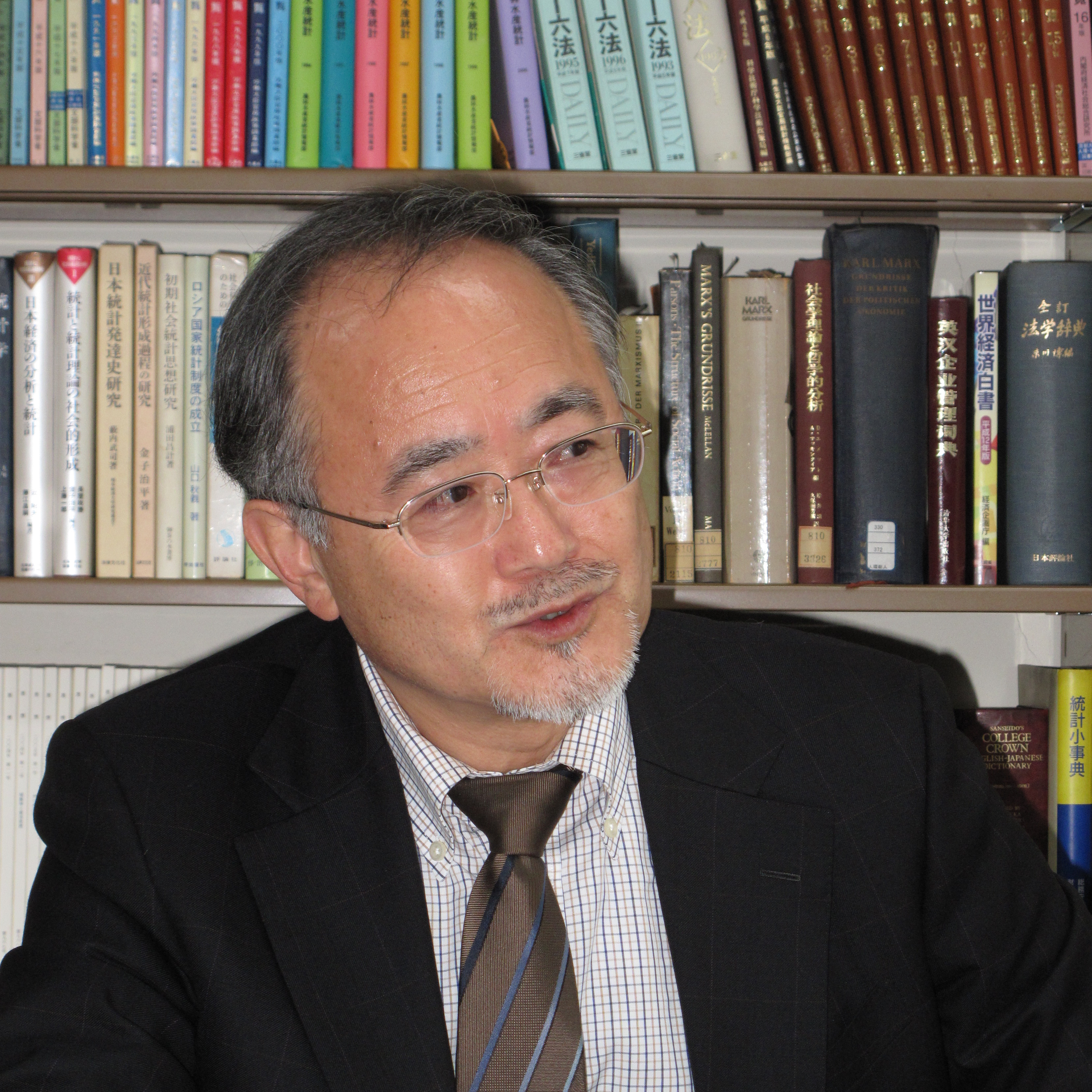 Hiroshi Yuasa
 Tadashi Narabayashi
 Hideo Tamura
 Kiyofumi Iwata
 Kunio Orita
 Maki Nakagawa
 Etsuro Honda
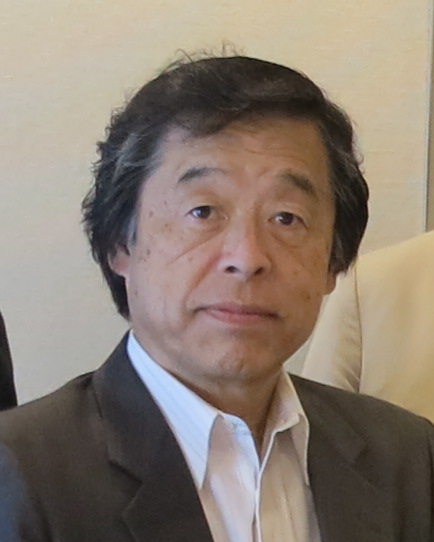 Yujiro Oiwa
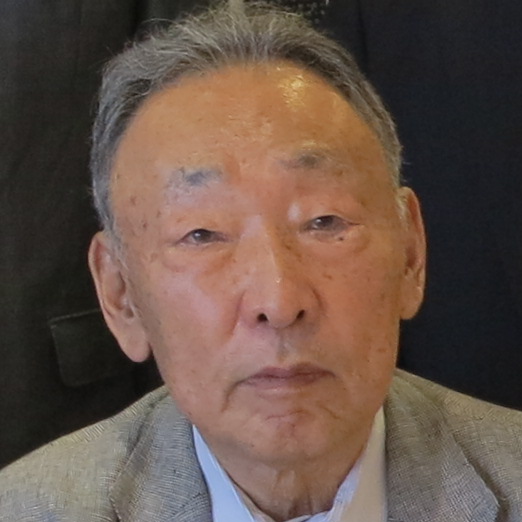 Hironobu Ishikawa
 Shiro Takahashi
 Katsuhiko Takaike
 Michio Ezaki
 Akira Momochi
 Akio Yaita
 Yoshihiko Yamada
 Seiji Kurosawa
 Koichi Endo
 Brahma Chellaney
 Nobuko Araki
 Yang Haiying
 James Auer
 Sumihiko Kawamura
 Hiroshi Kimura
 Osamu Nishi
 Koko Kato
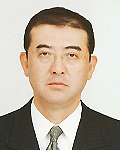 Tadashi Saito
 Shohei Umezawa
 Jason Morgan
 Arvind Gupta
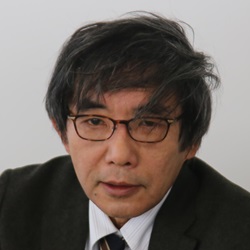 Kenro Nagoshi
 Takeshi Kudo
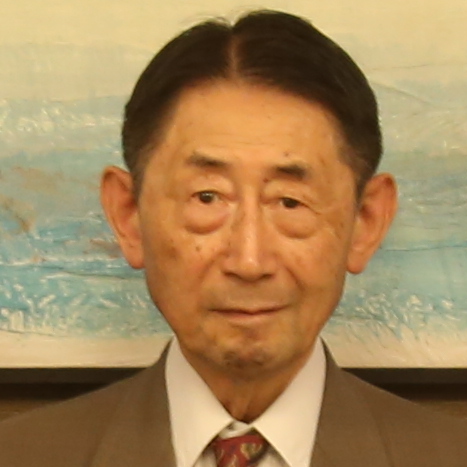 Sukehiro Hirakawa
 Yumiko Nishimoto
 Rikiwo Shikama
 Eriko Yamatani
 Koichi Furusho
 Tadashi Ito
 Satoshi Hirano
 Lee Woo Young
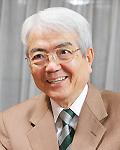 Taro Yayama
 Koh Sekai
 Koji Okamoto
 Tsutomu Toichi
 Hideaki Karaki
 Toshu Noguchi
 Kichinosuke Ihara
 Hisashi Matsumoto
 Yasuyuki Takai
 Nobuyuki Sato
 Chung Dae Kyun
 Toshio Watanabe
 Katsuya Tsukamoto
 Kazuto Suzuki
 Koichi Mera
 Akihisa Nagashima
 Miki Kase
 Eitaro Ogawa
 Hirotaka Watanabe
 Akinaka Senzaki
 Kevin Maher
 Yang Yi
 Hidetake Sawa
 Satoshi Tomisaka
 Nobukatsu Fujioka
 Masanori Kondo
 Hiroshi Ito
 Mio Sugita
 Rupakjyoti Borah
 Seiichi Okutomi
 Saburo Tsukamoto
 Yasuo Naito
 Satoshi Sakakibara
 Yen-Hung Lin
 Sanae Takaichi
 Haruhisa Nakagawa
 Norihide Miyoshi
 Syunichi Akasofu
 Ryoichi Hamamoto
 Hong Hyung
 Andrii Gurenko
 Ronald Morse
 Kazuhiko Inoue
 Keiichi Nakagawa
 Masamori Sase
 Katsutoshi Kawano
 Tomohisa Takei