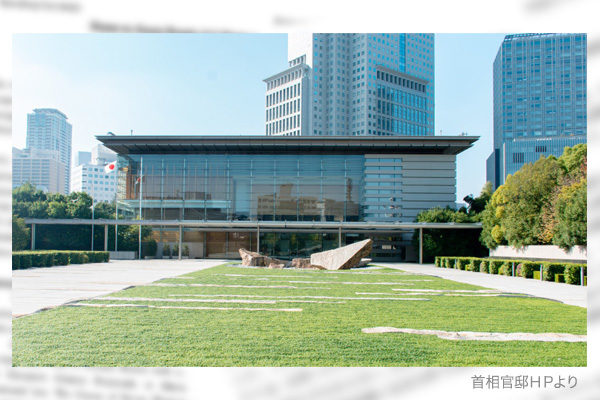
On April 24, the Japan Institute for National Fundamentals released a policy proposal urging the government to take the lead in triggering a national discussion on “what is essential to prevent Japan from being attacked with nuclear weapons again.” It also called on the government to consider Japan’s appropriate options and take necessary measures at the earliest possible time before 2032. The proposal recommends that these two points be clearly stipulated in the National Security Strategy to be updated late this year. (Click here for the full text of the proposal.)
Threats from neighboring countries and uncertainties about U.S. deterrence
Japan is currently facing the most severe security environment since the end of World War II. China has rapidly increased the quantity and quality of its nuclear forces, aiming to possess more than 1,000 nuclear warheads by 2030. North Korea has routinized training for the operational use of tactical nuclear weapons. Russia has repeated nuclear intimidation. The time has come for wars to be waged under the shadow of nuclear weapons without being completed only with conventional forces.
Under these circumstances, the United States has launched a plan for the operational deployment of nuclear-armed sea-launched cruise missiles (SLCM-Ns) by 2032 to supplement nuclear deterrence in the Indo-Pacific region. This means that U.S. naval vessels equipped with nuclear missiles will make port calls at Japan for operational purposes. On the other hand, U.S. extended deterrence, which is the foundation for Japan’s security, can no longer be assumed to protect Japan automatically and unconditionally. Its reliability has become increasingly uncertain, influenced by the domestic political situation in the U.S. and its strategic priorities.
In such a rapidly changing environment, Japan’s continued taboo against even discussing nuclear issues is tantamount to abandoning its own survival as an independent state. Ideals and reality are not mutually exclusive. Only by correctly recognizing real threats and understanding the reality of deterrence can Japan fulfill its national responsibility to ensure that no further nuclear attacks are ever carried out against the homeland.
Provide the public with information for making judgments
What the government should do now is to free the public from the taboo surrounding nuclear discussion. Specifically, it should institutionalize a “security brief” to regularly publish information on the build-up of nuclear forces in neighboring countries and the actual state of nuclear deterrence, so that the public can make rational judgments.
Furthermore, the government should present all potential options, such as (1) strengthening the existing Japan-U.S. extended deterrence, (2) revising Japan’s three nonnuclear principles of not possessing, not producing, and not permitting the introduction of nuclear weapons into its territory, (3) developing a Japanese version of nuclear sharing, and (4) possessing Japan’s own nuclear weapons, in order to pave the way for the public to discuss what should be done for Japan’s security and make their own choices.
Japan’s identity as the only nuclear-bombed country in the world should not be a reason to reject any nuclear discussion. Rather, precisely because Japan knows the horrors of nuclear devastation, it should establish a responsible deterrence theory to ensure such a tragedy is never repeated. With the U.S.’s planned deployment of SLCM‑Ns in 2032 in view, the government should enshrine its determination to begin discussions without delay in the National Security Strategy.
Kiyofumi Iwata is a member of the Planning Committee at the Japan Institute for National Fundamentals. Formerly, he served as Chief of Staff of the Japan Ground Self-Defense Force.
 Tsutomu Nishioka
 Takashi Arimoto
 Tadae Takubo
 Fumio Ota
 Yoshiko Sakurai
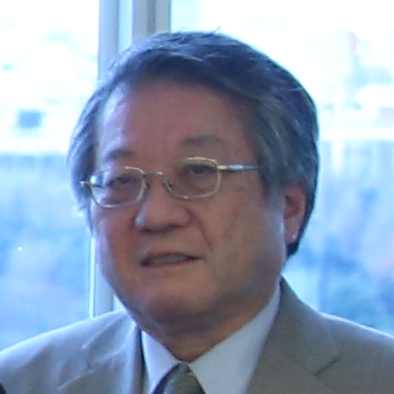 Yasushi Tomiyama
 Masahiko Hosokawa
 Yoichi Shimada
 Hiroshi Yuasa
 Tadashi Narabayashi
 Hideo Tamura
 Kunio Orita
 Maki Nakagawa
 Etsuro Honda
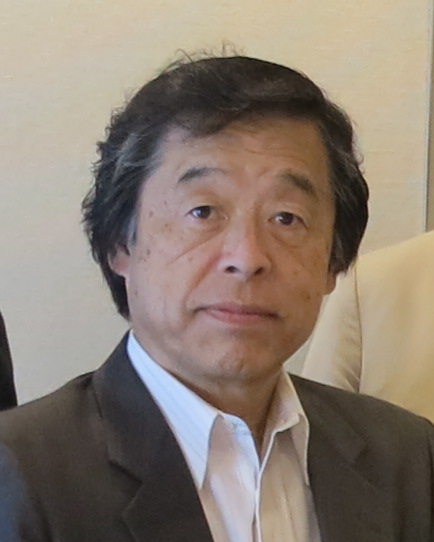 Yujiro Oiwa
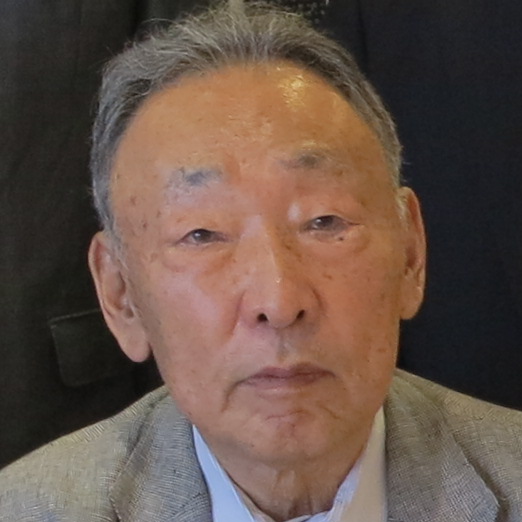 Hironobu Ishikawa
 Shiro Takahashi
 Katsuhiko Takaike
 Michio Ezaki
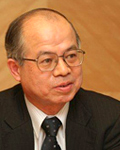 Akira Momochi
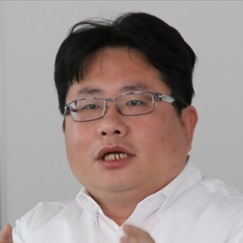 Akio Yaita
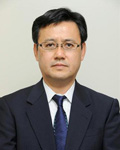 Yoshihiko Yamada
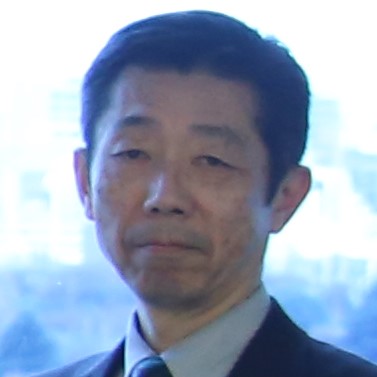 Seiji Kurosawa
 Koichi Endo
 Brahma Chellaney
 Nobuko Araki
 Yang Haiying
 James Auer
 Sumihiko Kawamura
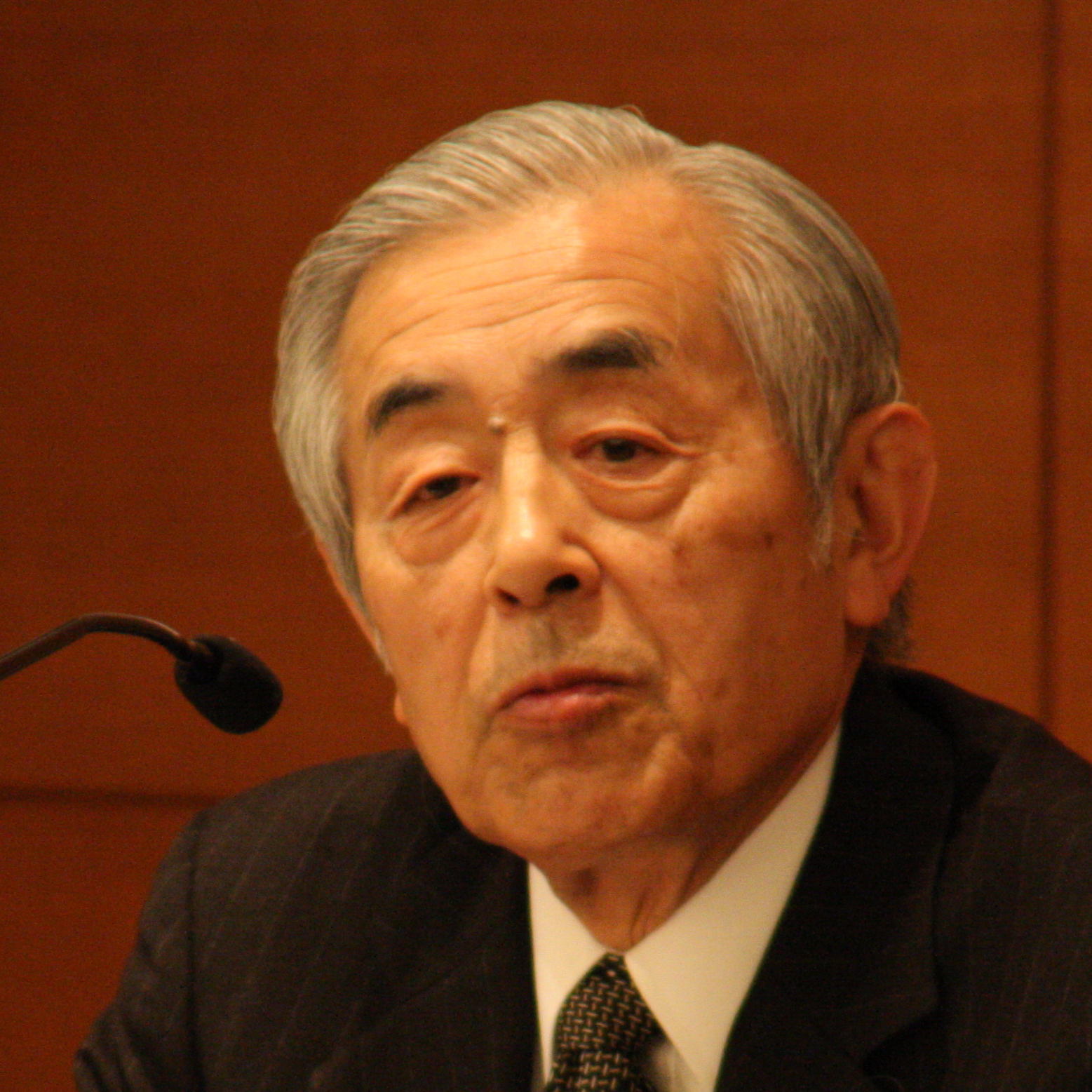 Hiroshi Kimura
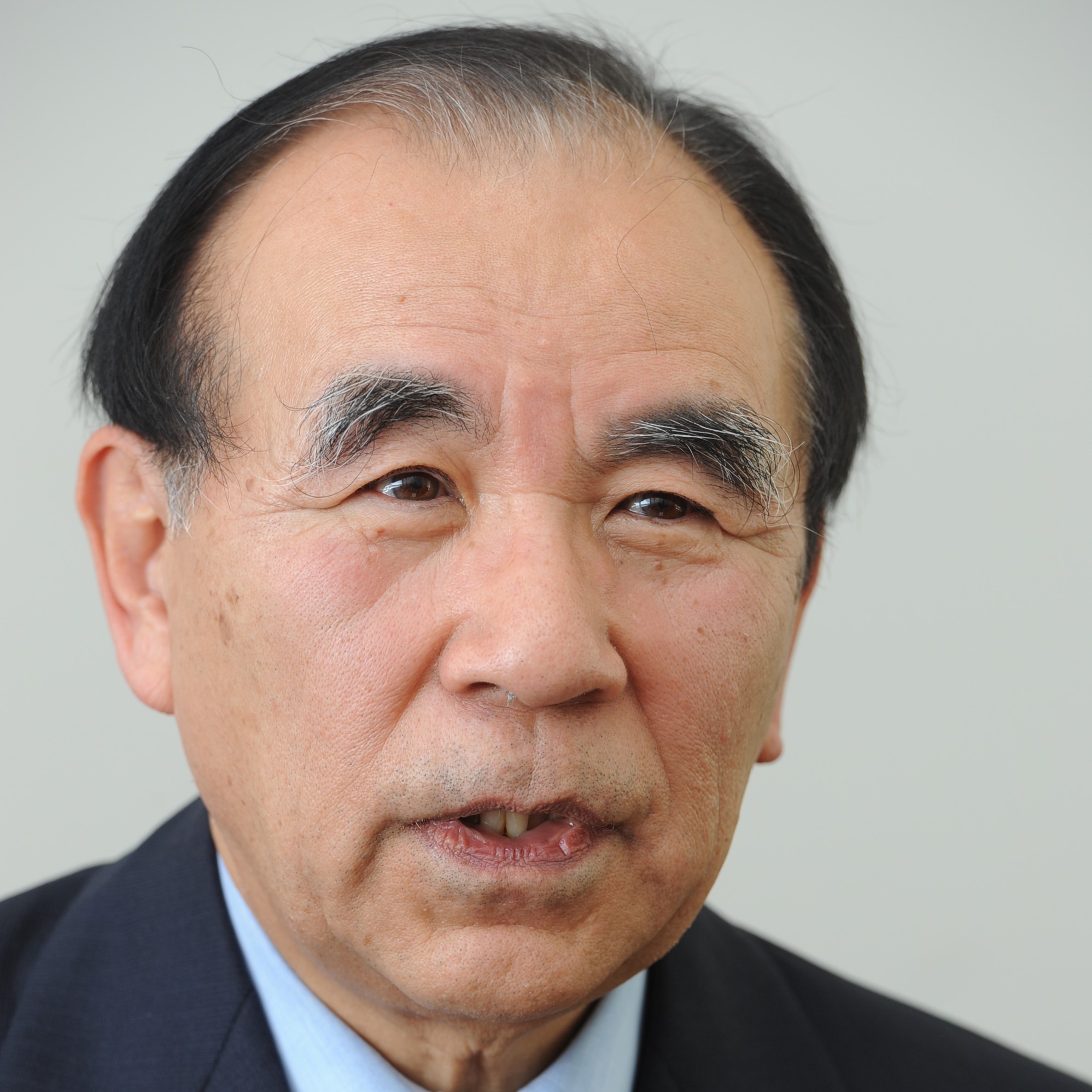 Osamu Nishi
 Koko Kato
 Tadashi Saito
 Shohei Umezawa
 Jason Morgan
 Arvind Gupta
 Kenro Nagoshi
 Takeshi Kudo
 Sukehiro Hirakawa
 Yumiko Nishimoto
 Rikiwo Shikama
 Eriko Yamatani
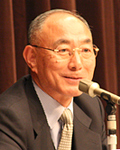 Koichi Furusho
 Tadashi Ito
 Satoshi Hirano
 Lee Woo Young
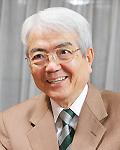 Taro Yayama
 Koh Sekai
 Koji Okamoto
 Tsutomu Toichi
 Hideaki Karaki
 Toshu Noguchi
 Kichinosuke Ihara
 Hisashi Matsumoto
 Yasuyuki Takai
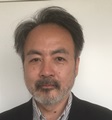 Nobuyuki Sato
 Chung Dae Kyun
 Toshio Watanabe
 Katsuya Tsukamoto
 Kazuto Suzuki
 Koichi Mera
 Akihisa Nagashima
 Miki Kase
 Eitaro Ogawa
 Hirotaka Watanabe
 Akinaka Senzaki
 Kevin Maher
 Yang Yi
 Hidetake Sawa
 Satoshi Tomisaka
 Nobukatsu Fujioka
 Masanori Kondo
 Hiroshi Ito
 Mio Sugita
 Rupakjyoti Borah
 Seiichi Okutomi
 Saburo Tsukamoto
 Yasuo Naito
 Satoshi Sakakibara
 Yen-Hung Lin
 Sanae Takaichi
 Haruhisa Nakagawa
 Norihide Miyoshi
 Syunichi Akasofu
 Ryoichi Hamamoto
 Hong Hyung
 Andrii Gurenko
 Ronald Morse
 Kazuhiko Inoue
 Keiichi Nakagawa
 Masamori Sase
 Katsutoshi Kawano
 Tomohisa Takei