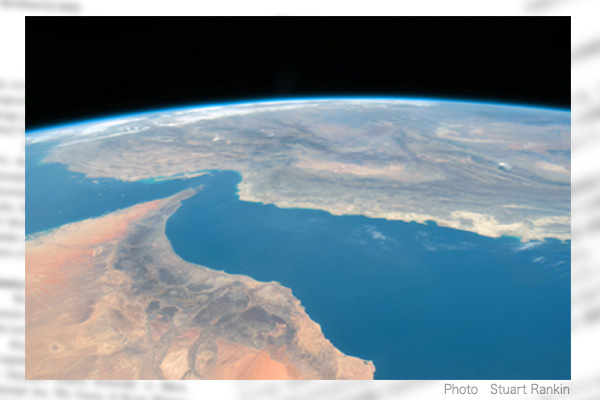
Peace talks between the United States and Iran were suspended on April 12, the second day of the negotiations, due to their large gaps. Supported by its strategic partner China, Iran remains tough. China is deeply involved in the Iranian Islamic Revolutionary Guard Corps’ collection of tolls from ships sailing through the Strait of Hormuz. If the U.S. allows Iran to control the strait in order to promptly achieve peace, it will play into Chinese President Xi Jinping’s hands.
China’s ambition to expand yuan settlement
The toll that Iran intends to collect is about $1 per barrel of crude oil on board, amounting to about $2 million for a very large crude oil carrier (VLCC) with a load of 2 million barrels. In peacetime, more than 130 merchant ships per day pass through the Strait of Hormuz. Since the outbreak of the war in Iran, however, about 3,000 ships have been stranded in the Persian Gulf, with traffic through the strait limited to at most several ships per day. If Iran pushes through the toll collection, with peacetime traffic through the strait restored, it will earn $19 million per day or $6.9 billion per year in toll income. For Iran that has been in economic difficulties even since before the war, the huge income will be a much‑needed relief. It has no reason to relinquish the control of the strait.
The toll must be paid only in Chinese yuan or cryptocurrency. More than 90% of Iran’s oil exports are destined for China, with the yuan payment system already in place. Since the digital payment network for cryptocurrency transactions uses a communication system installed by China in Iran, cryptocurrency payments, like yuan payments, are remitted to Hong Kong via the Cross-border Interbank Payment System (CIPS) controlled by the People’s Bank of China. In the Hong Kong market, cryptocurrencies can be converted into yuan, dollars, euros, yen, and other currencies. If Iran controls the strait, ships from Japan, South Korea, India, and many other countries will be drawn into the yuan payment network.
China’s Xi Jinping government aims to penetrate yuan payments into oil-producing countries in the Persian Gulf to encroach on the dominant petrodollar system. In February this year, Xi issued a major decree to make the yuan a global currency. According to exclusive information obtained by the author, the People’s Bank of China has informed Middle Eastern oil-exporting countries that if they conduct oil transactions in yuan, China will purchase the oil at a premium of 14% to the international market price and pay a 1% commission to intermediaries.
Trump’s perilous “business first” approach
What is worrisome is how U.S. President Donald Trump, who tends to be attracted by huge business opportunities, will respond. The U.S. International Development Finance Corporation (DFC), a U.S. government body, has announced that it will insure losses up to $20 billion for ships passing through the Strait of Hormuz. Trump announced a U.S. plan to jointly collect the toll with Iran on April 8 and withdrew it the next day. He should not provide any opportunity that Xi could exploit for expanding the yuan’s influence.
Hideo Tamura is a Planning Committee member at the Japan Institute for National Fundamentals and a columnist for the Sankei Shimbun newspaper.
 Tsutomu Nishioka
 Tadae Takubo
 Takashi Arimoto
 Fumio Ota
 Yoshiko Sakurai
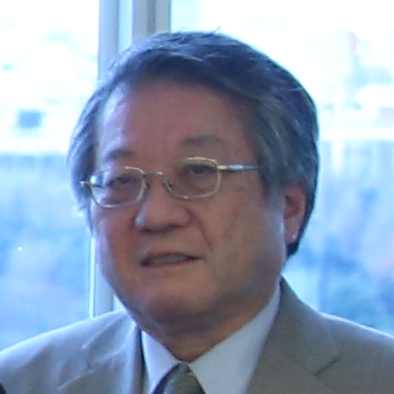 Yasushi Tomiyama
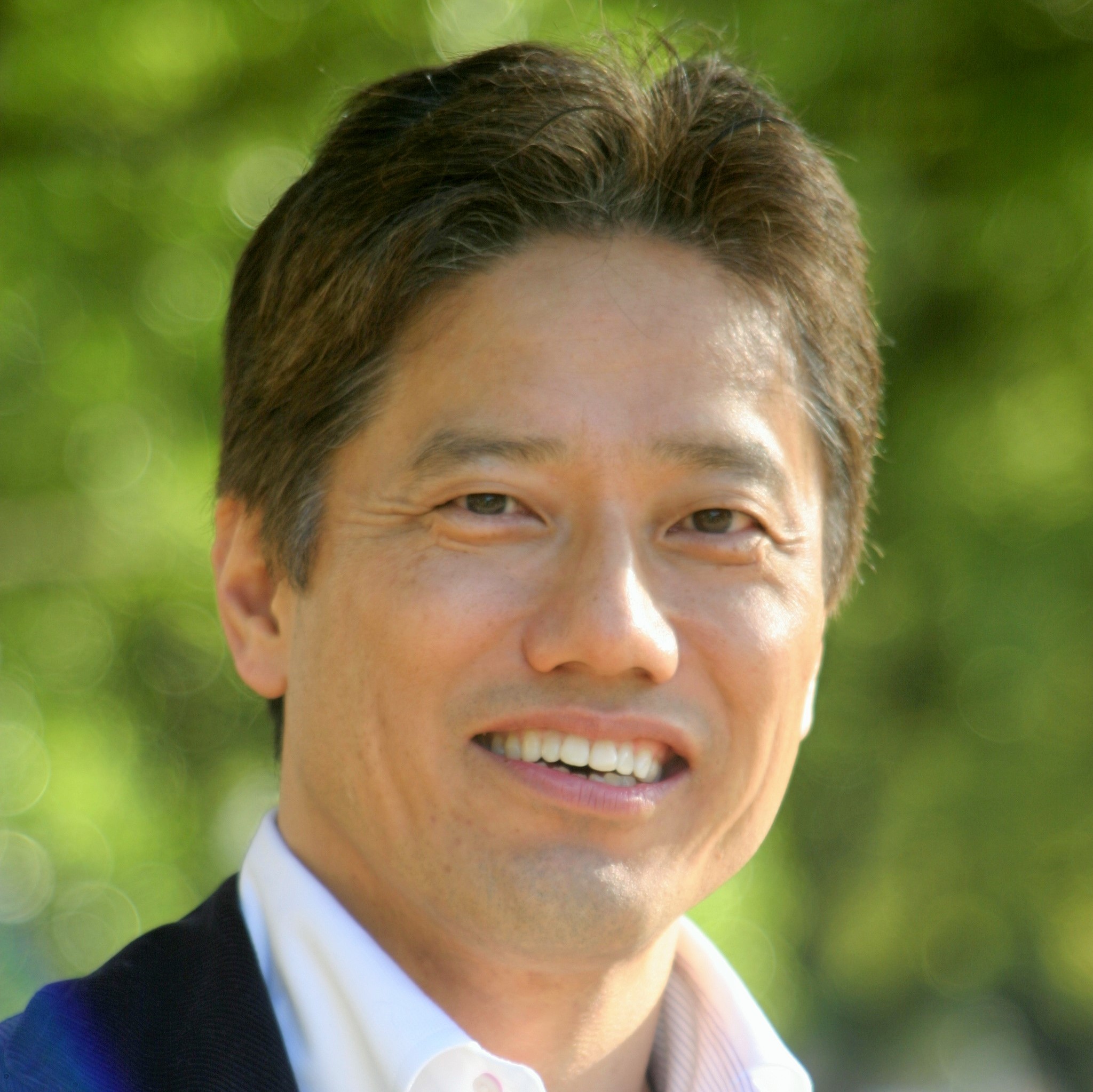 Masahiko Hosokawa
 Yoichi Shimada
 Hiroshi Yuasa
 Tadashi Narabayashi
 Kiyofumi Iwata
 Kunio Orita
 Maki Nakagawa
 Etsuro Honda
 Yujiro Oiwa
 Hironobu Ishikawa
 Shiro Takahashi
 Katsuhiko Takaike
 Michio Ezaki
 Akira Momochi
 Akio Yaita
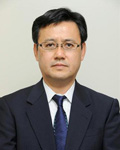 Yoshihiko Yamada
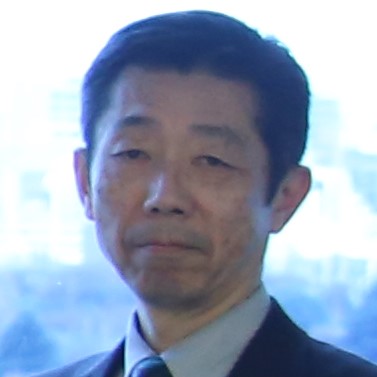 Seiji Kurosawa
 Koichi Endo
 Brahma Chellaney
 Nobuko Araki
 Yang Haiying
 James Auer
 Sumihiko Kawamura
 Hiroshi Kimura
 Osamu Nishi
 Koko Kato
 Tadashi Saito
 Shohei Umezawa
 Jason Morgan
 Arvind Gupta
 Kenro Nagoshi
 Takeshi Kudo
 Sukehiro Hirakawa
 Yumiko Nishimoto
 Rikiwo Shikama
 Eriko Yamatani
 Koichi Furusho
 Tadashi Ito
 Satoshi Hirano
 Lee Woo Young
 Taro Yayama
 Koh Sekai
 Koji Okamoto
 Tsutomu Toichi
 Hideaki Karaki
 Toshu Noguchi
 Kichinosuke Ihara
 Hisashi Matsumoto
 Yasuyuki Takai
 Nobuyuki Sato
 Chung Dae Kyun
 Toshio Watanabe
 Katsuya Tsukamoto
 Kazuto Suzuki
 Koichi Mera
 Akihisa Nagashima
 Miki Kase
 Eitaro Ogawa
 Hirotaka Watanabe
 Akinaka Senzaki
 Kevin Maher
 Yang Yi
 Hidetake Sawa
 Satoshi Tomisaka
 Nobukatsu Fujioka
 Masanori Kondo
 Hiroshi Ito
 Mio Sugita
 Rupakjyoti Borah
 Seiichi Okutomi
 Saburo Tsukamoto
 Yasuo Naito
 Satoshi Sakakibara
 Yen-Hung Lin
 Sanae Takaichi
 Haruhisa Nakagawa
 Norihide Miyoshi
 Syunichi Akasofu
 Ryoichi Hamamoto
 Hong Hyung
 Andrii Gurenko
 Ronald Morse
 Kazuhiko Inoue
 Keiichi Nakagawa
 Masamori Sase
 Katsutoshi Kawano
 Tomohisa Takei