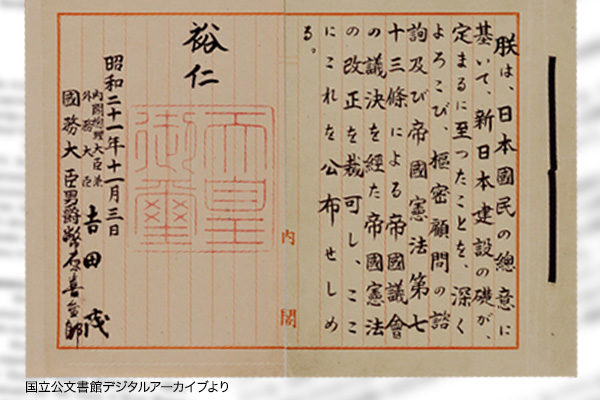
Since the Shinzo Abe administration, the ruling Liberal Democratic Party’s constitutional amendment debate has focused on the explicit provision of the Self-Defense Forces in the Japanese constitution. I recognize the significance of providing the SDF explicitly in the constitution to secure the legal stability of the SDF that has conducted its missions amid debates over whether the SDF is constitutional or not. However, the current international security environment has changed dramatically from that under the Abe administration.
Explicit SDF provision alone won’t enhance deterrence
Russia’s aggression against Ukraine has marked the beginning of an era where changing the status quo by force has become a reality in Europe. The Iran war exposed a reality that the conflict could not be resolved by military force alone and that it would escalate into a total war including the weaponization of the Strait of Hormuz. Furthermore, China, Russia, North Korea, and Iran are acting in concert as a de facto “authoritarian coalition,” simultaneously and multidimensionally challenging the existing international order. At a time when U.S. President Donald Trump even threatens to withdraw from the North Atlantic Treaty Organization, postwar Japan’s assumption that the United States will ultimately protect it no longer holds.
Amid these circumstances, a Taiwan contingency is becoming more realistic. It is pointed out that this could happen in or after 2027, and if it does, it would directly lead to a Japan contingency. In order to deter such crisis, Japan should revise its security treaty with the U.S. to clearly provide for mutual defense obligations. Such revision would help prevent the United States from neglecting its allies at a time when it is becoming reluctant to engage with other countries.
However, as long as Paragraph 2 of Article 9, which prohibits Japan from maintaining war potential, remains in place, Japan cannot stand shoulder to shoulder with its allies as an equal partner in mutual defense. The explicit provision of the SDF in the constitution alone cannot resolve this fundamental problem. The explicit SDF provision would only mean the constitutional endorsement of its presence and would not lead to strengthening Japan’s deterrence.
The state should properly deal with SDF sacrifice
Furthermore, unless the SDF is officially recognized as a military, SDF personnel are forced to stand on the battlefield for national defense not as soldiers, but as special-category national public servants. It is a fundamental contradiction for the state to order SDF personnel to risk their lives for national defense while lacking a system that fully assumes responsibility for their sacrifice. The compensation system for those killed or wounded in action remains undeveloped, and there has not been even discussion about establishing a court-martial that is common in other advanced countries. A true constitutional amendment must resolve these contradictions, recognize the SDF as a military under domestic law, and make clear that the state will bestow honor and compensate for the sacrifices required of military personnel.
When launching her administration, Prime Minister Sanae Takaichi declared that she would tackle issues that divide public opinion. If so, the amendment of Article 9 of the constitution is precisely the fundamentally important issue that should be tackled head‑on. It is doubtful if the LDP should stick to the explicit SDF provision proposal that emerged from its consideration to the Komeito party when it was the LDP’s junior coalition partner. The LDP should now confront the worst postwar security environment squarely and focus its efforts on deleting Paragraph 2 of Article 9. There is no peace without strength. The time has come for Japan to face this reality and engrave its resolve into its constitution.
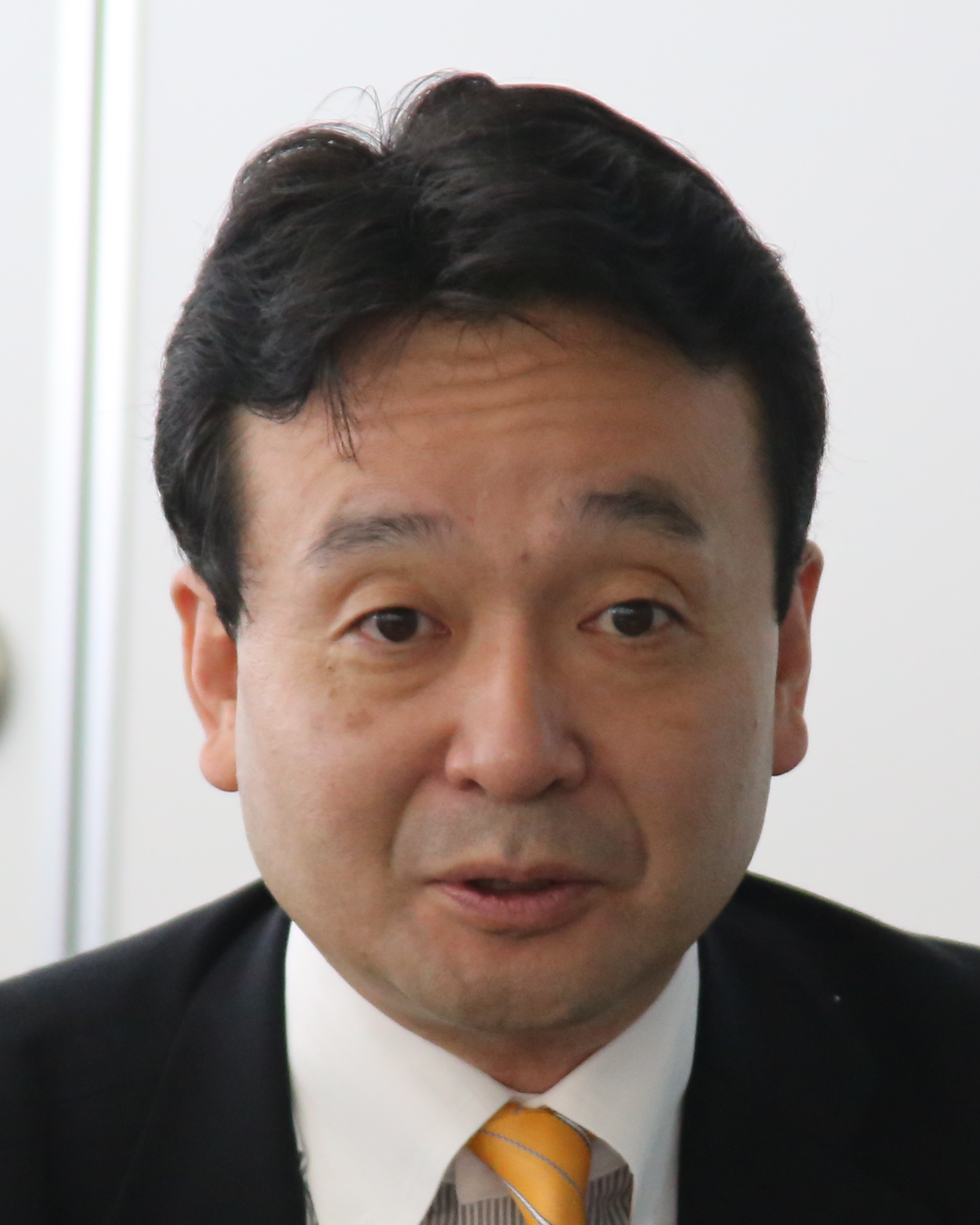
Kiyofumi Iwata is a member of the Planning Committee at the Japan Institute for National Fundamentals. Formerly, he served as Chief of Staff of the Japan Ground Self-Defense Force.
 Tsutomu Nishioka
 Tadae Takubo
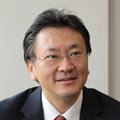 Takashi Arimoto
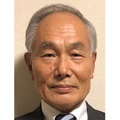 Fumio Ota
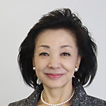 Yoshiko Sakurai
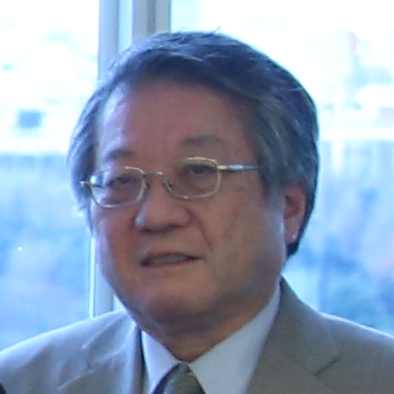 Yasushi Tomiyama
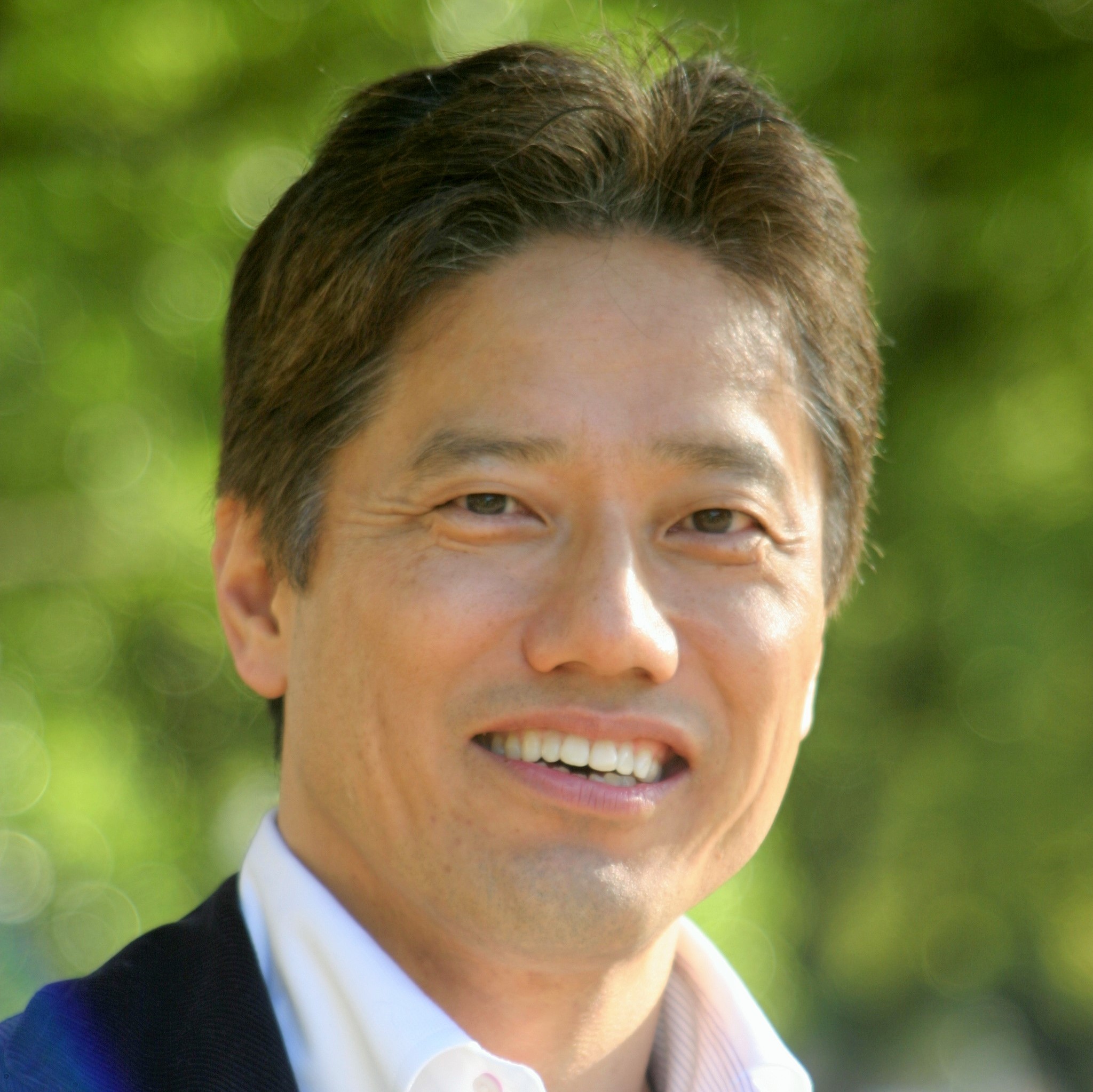 Masahiko Hosokawa
 Yoichi Shimada
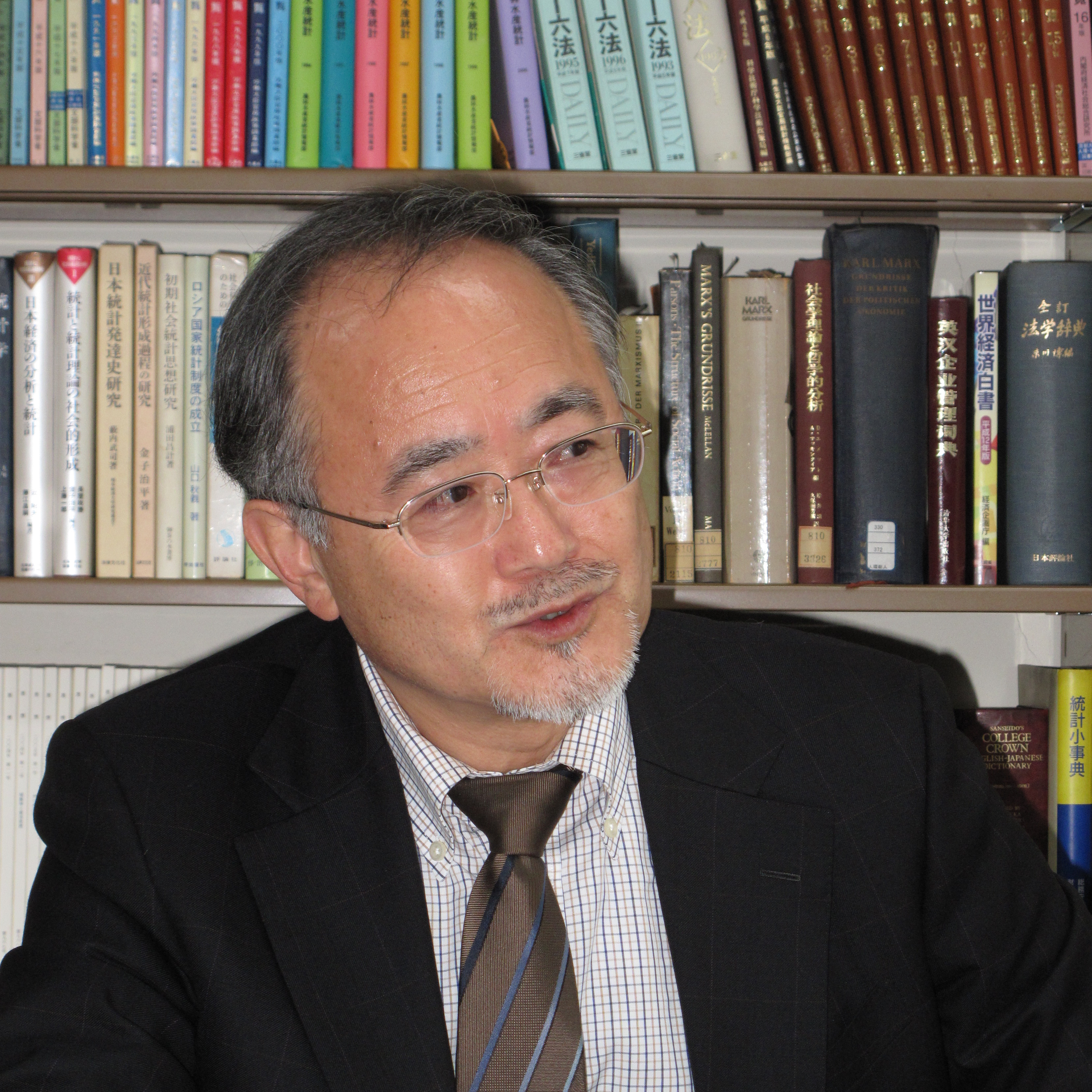 Hiroshi Yuasa
 Tadashi Narabayashi
 Hideo Tamura
 Kunio Orita
 Maki Nakagawa
 Etsuro Honda
 Yujiro Oiwa
 Hironobu Ishikawa
 Shiro Takahashi
 Katsuhiko Takaike
 Michio Ezaki
 Akira Momochi
 Akio Yaita
 Yoshihiko Yamada
 Seiji Kurosawa
 Koichi Endo
 Brahma Chellaney
 Nobuko Araki
 Yang Haiying
 James Auer
 Sumihiko Kawamura
 Hiroshi Kimura
 Osamu Nishi
 Koko Kato
 Tadashi Saito
 Shohei Umezawa
 Jason Morgan
 Arvind Gupta
 Kenro Nagoshi
 Takeshi Kudo
 Sukehiro Hirakawa
 Yumiko Nishimoto
 Rikiwo Shikama
 Eriko Yamatani
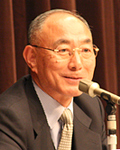 Koichi Furusho
 Tadashi Ito
 Satoshi Hirano
 Lee Woo Young
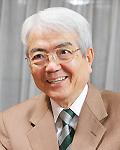 Taro Yayama
 Koh Sekai
 Koji Okamoto
 Tsutomu Toichi
 Hideaki Karaki
 Toshu Noguchi
 Kichinosuke Ihara
 Hisashi Matsumoto
 Yasuyuki Takai
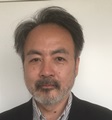 Nobuyuki Sato
 Chung Dae Kyun
 Toshio Watanabe
 Katsuya Tsukamoto
 Kazuto Suzuki
 Koichi Mera
 Akihisa Nagashima
 Miki Kase
 Eitaro Ogawa
 Hirotaka Watanabe
 Akinaka Senzaki
 Kevin Maher
 Yang Yi
 Hidetake Sawa
 Satoshi Tomisaka
 Nobukatsu Fujioka
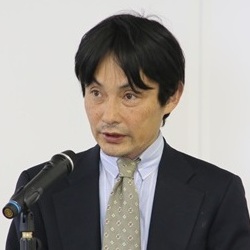 Masanori Kondo
 Hiroshi Ito
 Mio Sugita
 Rupakjyoti Borah
 Seiichi Okutomi
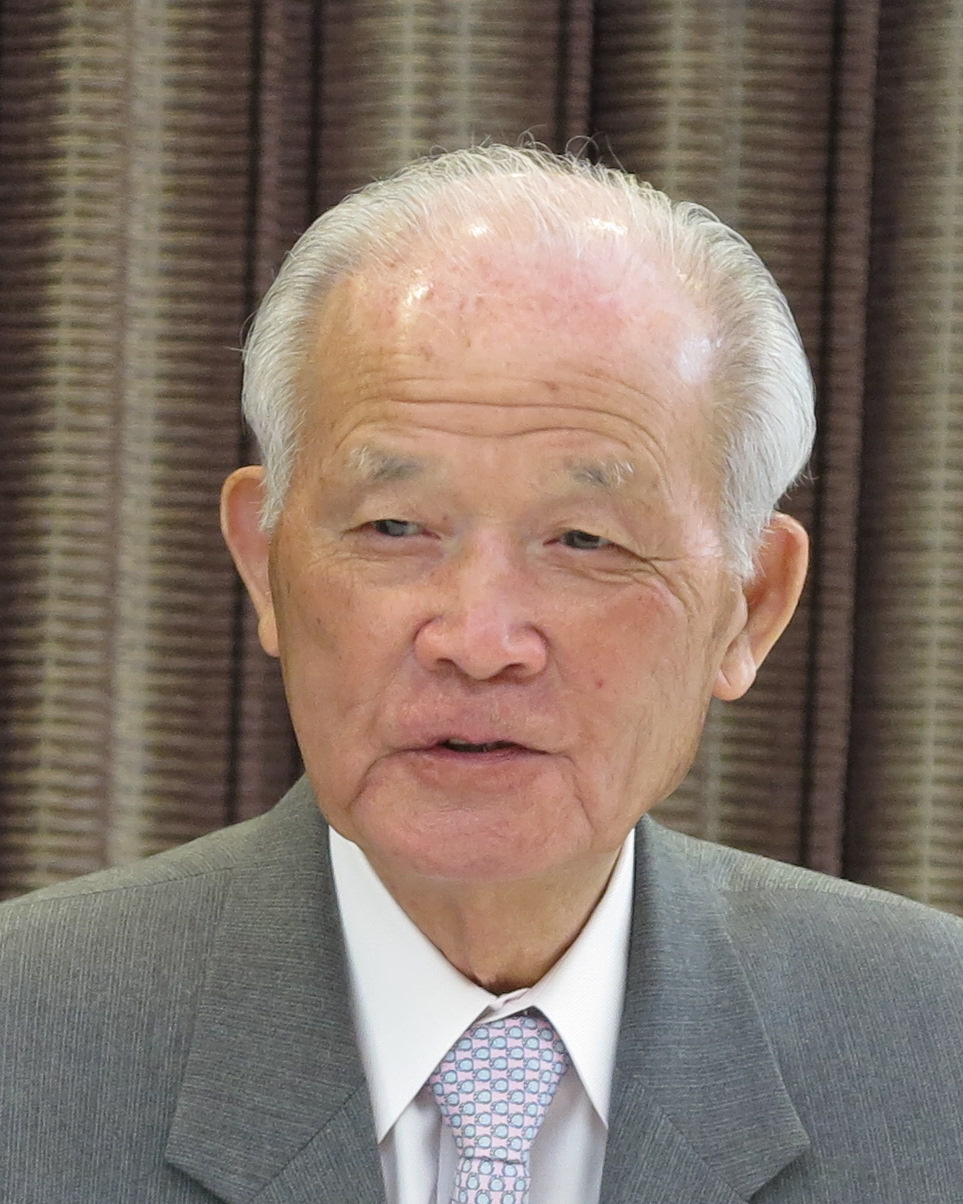 Saburo Tsukamoto
 Yasuo Naito
 Satoshi Sakakibara
 Yen-Hung Lin
 Sanae Takaichi
 Haruhisa Nakagawa
 Norihide Miyoshi
 Syunichi Akasofu
 Ryoichi Hamamoto
 Hong Hyung
 Andrii Gurenko
 Ronald Morse
 Kazuhiko Inoue
 Keiichi Nakagawa
 Masamori Sase
 Katsutoshi Kawano
 Tomohisa Takei