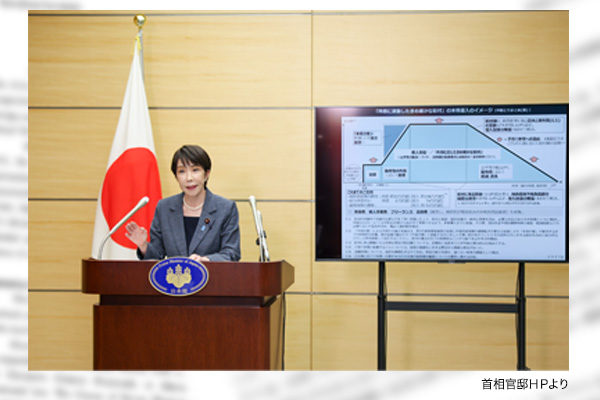
On July 30, Prime Minister Sanae Takaichi announced her plan to lower the consumption tax on food products from 8% to 1% for two years from next April. This will be the first cut in the consumption tax in Japan since its introduction in April 1989. Although the plan meets her Liberal Democratic Party’s campaign promise for a House of Representatives election earlier this year, opposition to the plan has erupted even within the ruling party. Major national newspapers are also persistently criticizing the plan in editorials and commentaries. One of the main shared reasons cited against the plan is that consumption tax revenue as financial resources for social security benefits will decrease by about 4 trillion yen. However, this is nothing more than a simplistic, grade‑school level calculation that ignores economic dynamism.
Tax revenue increases as the economy grows
Financial resources for social security consist of social insurance premiums and tax revenue, with consumption tax revenue forming only one part of it. Japan’s national general account tax revenue for fiscal 2025 totaled 84.2 trillion yen, including 26 trillion yen in consumption tax revenue. Social security benefit costs increase by more than 2 trillion yen annually. Tax revenue for fiscal 2025 increased by 12% or 9 trillion yen from the previous year. Although this pace may not necessarily continue in the future, what is certain is that if nominal gross domestic product (GDP) grows, tax revenue will increase at a much faster pace.
In fiscal 2020 when the COVID-19 was widespread, the then Shinzo Abe administration launched a large-scale fiscal stimulus worth more than 100 trillion yen, leading to an economic expansion trend. Between fiscal 2020 and 2025, nominal GDP grew at an average annual rate of 3.2%, while tax revenue increased at an average annual rate of 5.6%.
In contrast, between fiscal 1997 and 2019, average annual growth was limited to 0.1% for nominal GDP and 0.3% for tax revenue. As a result of no fewer than three major consumption tax hikes during those 22 years, consumption tax revenue certainly increased. However, overall tax revenue stagnated as corporation and income tax revenue plunged amid chronic deflation. Fiscal health deteriorated, and government debt continued to expand. Nevertheless, some within the LDP and most of the media refuse to learn lessons from the failed tax hikes.
Resistance from fiscal hawks
Before announcing the consumption tax cut plan, the Takaichi administration adopted this year’s Basic Policy on Economic and Fiscal Management and Reform (the “Basic Policy”) that lifted a target year for achieving a primary budget surplus to limit policy spending to within tax revenue and called for promoting investment in 17 strategic areas. This domestic investment is the top‑priority measure for countering China’s bid for supremacy in fields such as artificial intelligence, quantum technology, and advanced semiconductors, and it will lead to a strengthened Japan–U.S. partnership.
However, fiscal hawks stand in the way here as well. Major economic media have been stirring up fiscal anxiety on an almost daily basis, fueling speculative yen selling. If investors in the world are convinced that the Takaichi’s growth strategy is genuine, the tide of the market will change. The prime minister need only approve a consumption tax reduction bill in a calm, orderly manner and steadily implement her medium- to long-term growth strategy.
Hideo Tamura is a Planning Committee member at the Japan Institute for National Fundamentals and a columnist for the Sankei Shimbun newspaper.
 Tsutomu Nishioka
 Takashi Arimoto
 Tadae Takubo
 Fumio Ota
 Yoshiko Sakurai
 Yasushi Tomiyama
 Masahiko Hosokawa
 Yoichi Shimada
 Hiroshi Yuasa
 Tadashi Narabayashi
 Kiyofumi Iwata
 Kunio Orita
 Maki Nakagawa
 Etsuro Honda
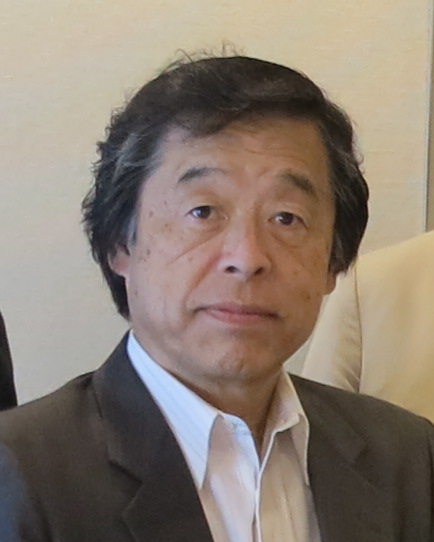 Yujiro Oiwa
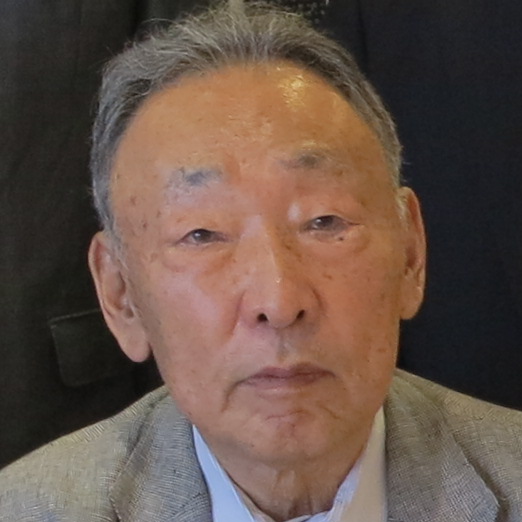 Hironobu Ishikawa
 Shiro Takahashi
 Katsuhiko Takaike
 Michio Ezaki
 Akira Momochi
 Akio Yaita
 Yoshihiko Yamada
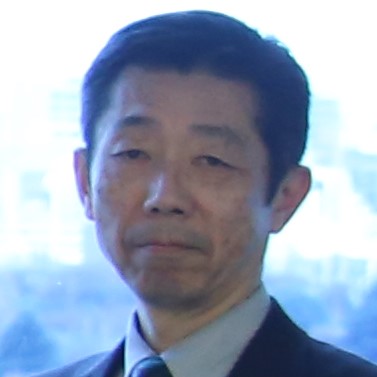 Seiji Kurosawa
 Koichi Endo
 Brahma Chellaney
 Nobuko Araki
 Yang Haiying
 James Auer
 Sumihiko Kawamura
 Hiroshi Kimura
 Osamu Nishi
 Koko Kato
 Tadashi Saito
 Shohei Umezawa
 Jason Morgan
 Arvind Gupta
 Kenro Nagoshi
 Takeshi Kudo
 Sukehiro Hirakawa
 Yumiko Nishimoto
 Rikiwo Shikama
 Eriko Yamatani
 Koichi Furusho
 Tadashi Ito
 Satoshi Hirano
 Lee Woo Young
 Taro Yayama
 Koh Sekai
 Koji Okamoto
 Tsutomu Toichi
 Hideaki Karaki
 Toshu Noguchi
 Kichinosuke Ihara
 Hisashi Matsumoto
 Yasuyuki Takai
 Nobuyuki Sato
 Chung Dae Kyun
 Toshio Watanabe
 Katsuya Tsukamoto
 Kazuto Suzuki
 Koichi Mera
 Akihisa Nagashima
 Miki Kase
 Eitaro Ogawa
 Hirotaka Watanabe
 Akinaka Senzaki
 Kevin Maher
 Yang Yi
 Hidetake Sawa
 Satoshi Tomisaka
 Nobukatsu Fujioka
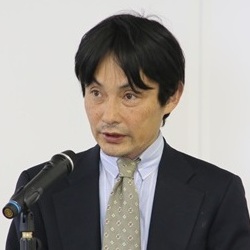 Masanori Kondo
 Hiroshi Ito
 Mio Sugita
 Rupakjyoti Borah
 Seiichi Okutomi
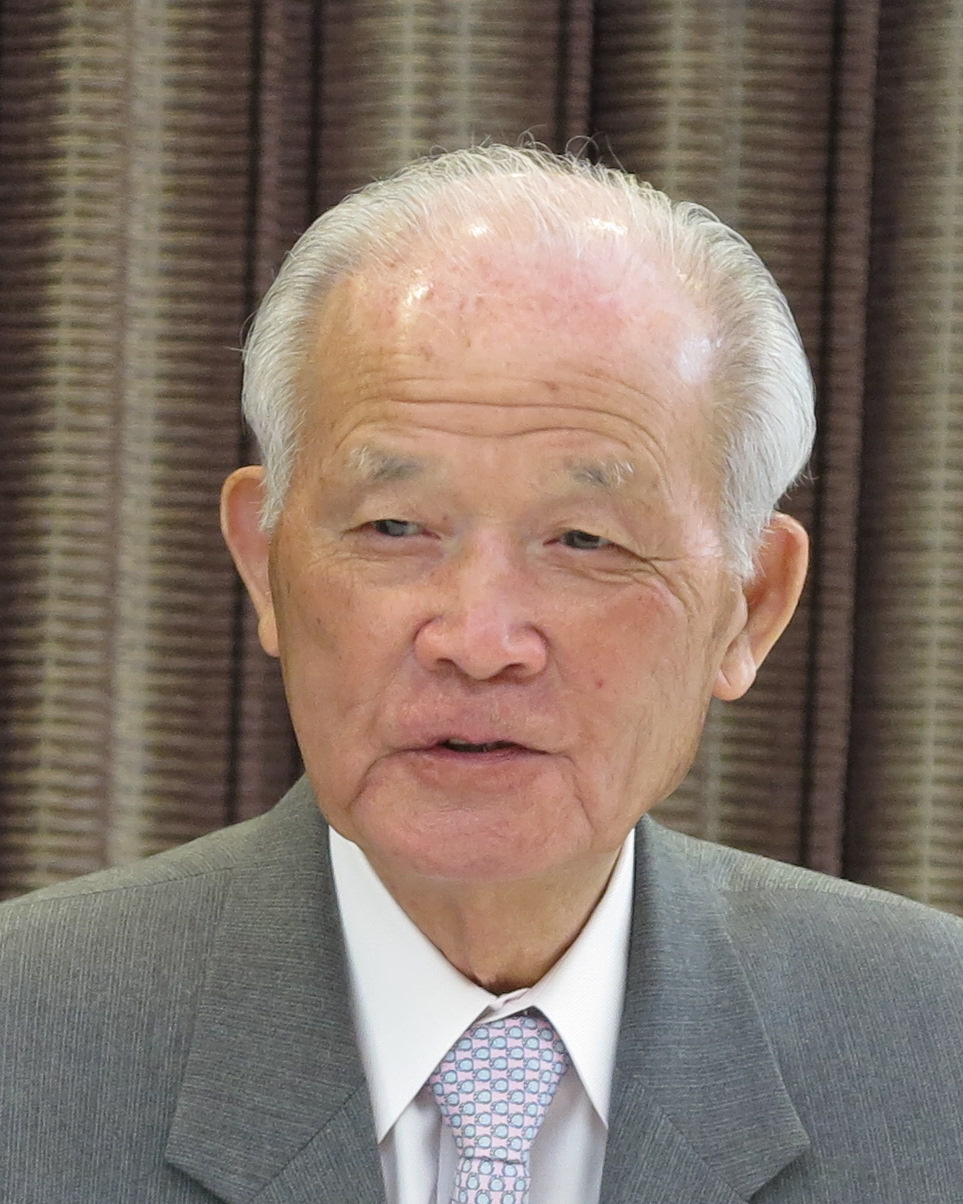 Saburo Tsukamoto
 Yasuo Naito
 Satoshi Sakakibara
 Yen-Hung Lin
 Sanae Takaichi
 Haruhisa Nakagawa
 Norihide Miyoshi
 Syunichi Akasofu
 Ryoichi Hamamoto
 Hong Hyung
 Andrii Gurenko
 Ronald Morse
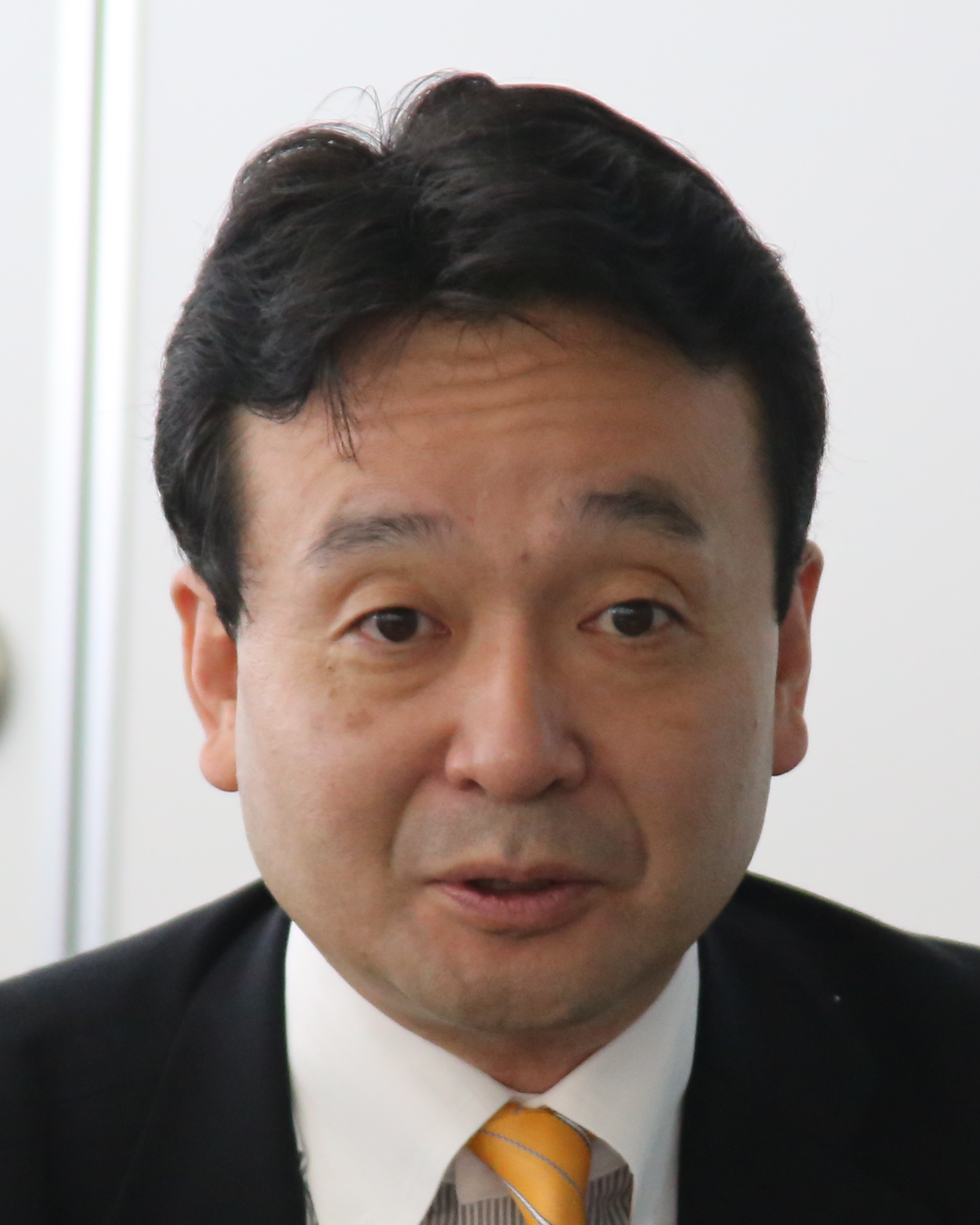 Kazuhiko Inoue
 Keiichi Nakagawa
 Masamori Sase
 Katsutoshi Kawano
 Tomohisa Takei