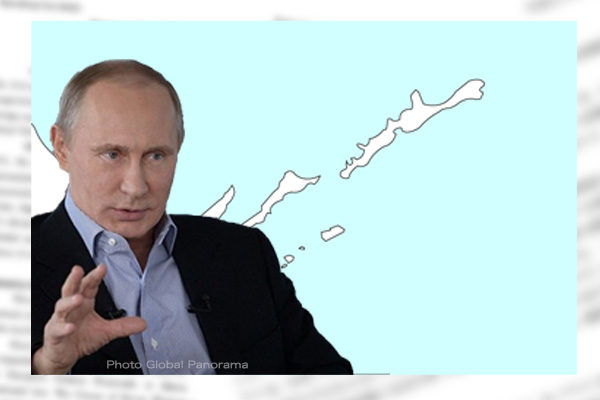
On August 13, Russian President Vladimir Putin landed on Etorofu Island, part of Japan’s Northern Territories. He thus became the first Russian president to land on the island.
On the previous day, Putin visited Sakhalin Oblast for the first time in 13 years and stated that the status of the Northern Territories was specified in international documents as a result of World War II, emphasizing that a territorial issue with Japan had been already resolved. As Putin observed a large-scale exercise by the Russian Pacific Fleet there, its commander, Admiral Viktor Liina, told the president that the fleet had become ready to inspect and detain ships from hostile countries, indicating an expansion of the fleet’s mission.
Japan’s hollow protest over Etorofu landing
The Russian president’s landing on Etorofu Island and the expansion of the Pacific Fleet’s mission are no coincidence. They represent an outrageous action designed to justify the former Soviet Union’s entry into the war against Japan in violation of the Japan-Soviet neutrality treaty and its illegal occupation of the Japanese territories after the war, and they unilaterally cut off any room for dialogue with Japan over the Northern Territories issue.
The Japanese government’s response to the Russian action that openly trampled on Japan’s sovereignty and public sentiment was limited to verbal protests. Foreign Minister Toshimitsu Motegi said he strongly protested the action. Prime Minister Sanae Takaichi described the action as “absolutely unacceptable.” Since then-Russian President Dmitry Medvedev’s visit to Kunashiri Island, also part of Japan’s Northern Territories, in 2010, the government has repeated protests. However, there has never been any change in Russia’s attitude. Japan should shift from the traditional “protest in words” to “deterrence through action.”
Providing Ukraine with air defense missiles can be effective
Effective cards Japan can play against Russia are limited, but the most effective is to make Russia feel pain — namely, providing Ukraine with air defense equipment and technology. Of the 195 ballistic missiles Russia launched against Ukraine in July, Ukraine intercepted only 29, or 15%. Ukraine’s air defense for critical infrastructure and major cities is on the verge of collapse.
Ukraine desperately needs the PAC-3, the latest of U.S. Patriot air defense missiles. Although the United States resumed deliveries in July, the quantities fall far short of Ukraine’s requirements, and Washington has not agreed to grant a production license. As Japan produces PAC-3s under U.S. license, it may be able to provide Ukraine with PAC-3s if the United States approves the provision and offers key components such as the “seeker,” the black‑boxed guidance section. If Japan’s direct provision to Ukraine is difficult, a practical option may be the provision through the North Atlantic Treaty Organization.
Furthermore, Japan’s joint development of air defense missiles and anti-drone equipment with Ukraine can also be effective. The fusion of Ukraine’s combat-honed drone technology and experiences with Japan’s advanced sensor and guidance technologies will enable the low-cost mass production of air defense systems, creating mutual benefits that would contribute to strengthening Japan’s own defense capabilities for Southwest Islands and other areas. Defense Minister Shinjiro Koizumi has also acknowledged the need for the joint development in his comments to the author.
Abandon “unprovocative” diplomacy
There are said to be voices within the government expressing concern about a deterioration in relations with Russia. Yet the notion of “not provoking Russia” would be nothing but repeating the bitter failure of the past policy of “not provoking China.” Only when Russia feels pain will the door to dialogue on the Northern Territories open. Without a readiness to respond to action with action, the other side will not move.
Kiyofumi Iwata is Vice President of the Japan Institute for National Fundamentals. Formerly, he served as Chief of Staff of the Japan Ground Self-Defense Force.
 Tsutomu Nishioka
 Takashi Arimoto
 Tadae Takubo
 Fumio Ota
 Yoshiko Sakurai
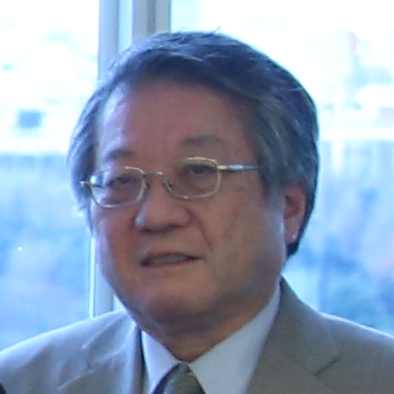 Yasushi Tomiyama
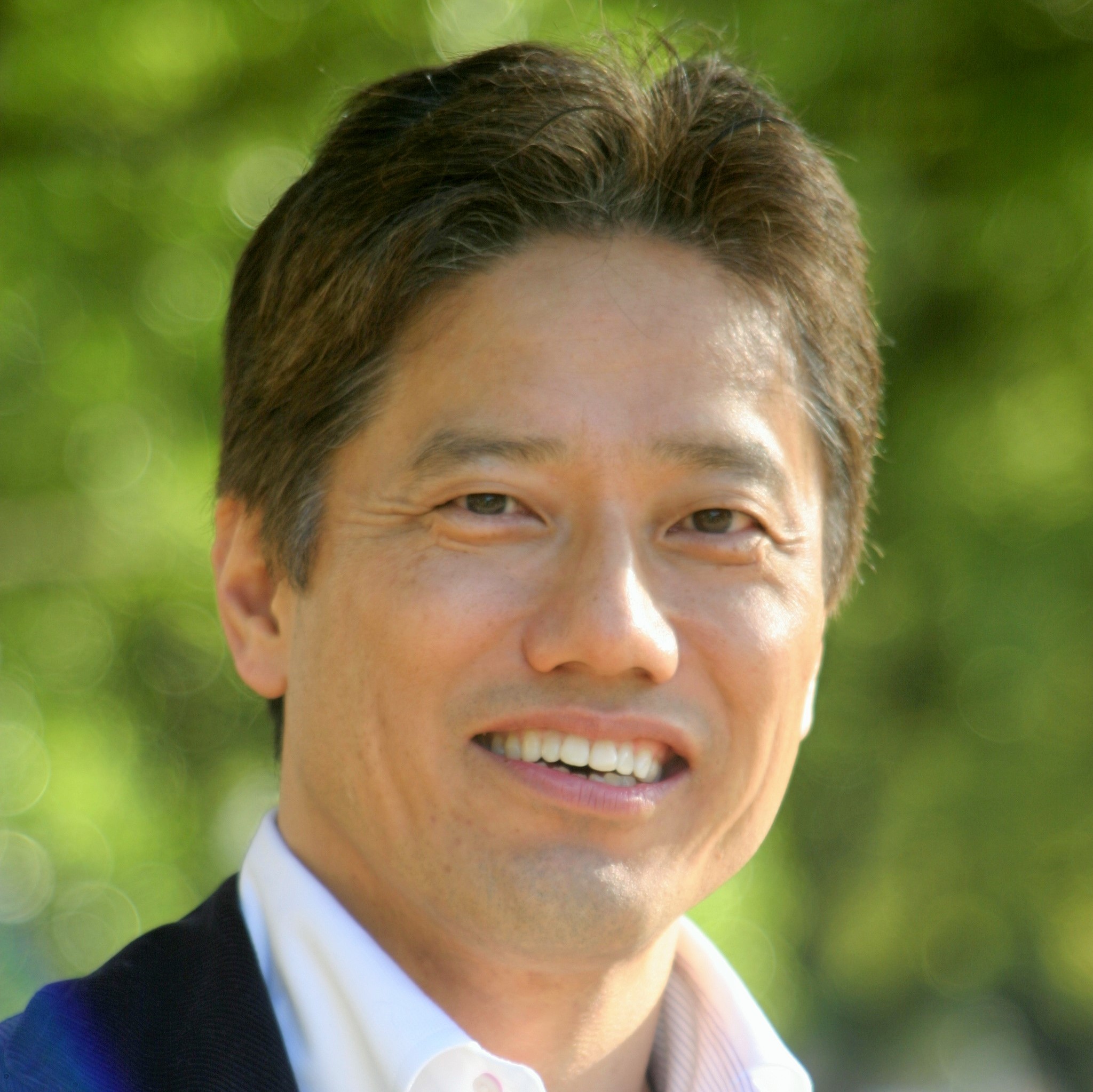 Masahiko Hosokawa
 Yoichi Shimada
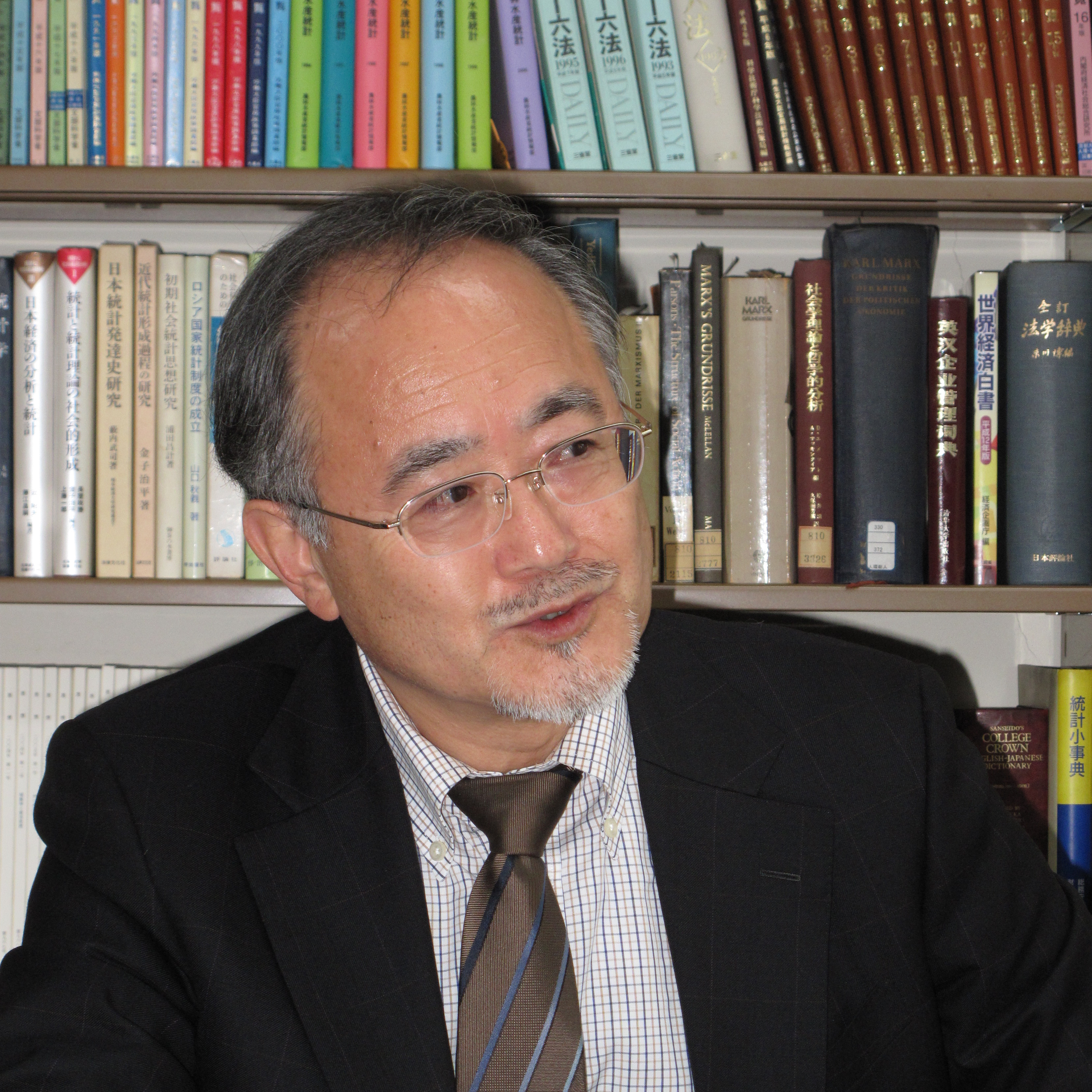 Hiroshi Yuasa
 Tadashi Narabayashi
 Hideo Tamura
 Kunio Orita
 Maki Nakagawa
 Etsuro Honda
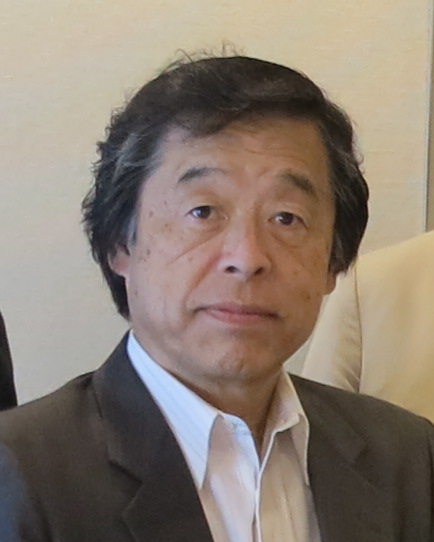 Yujiro Oiwa
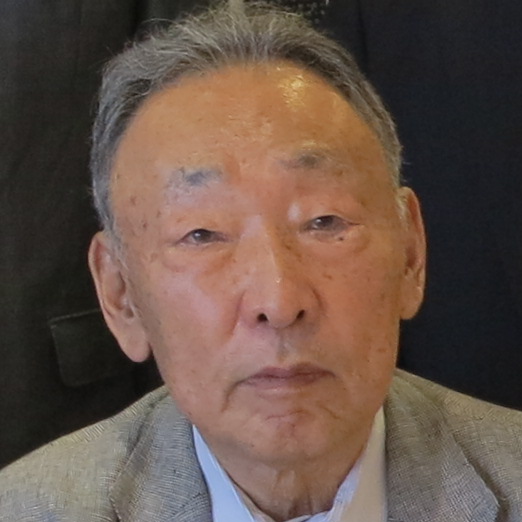 Hironobu Ishikawa
 Shiro Takahashi
 Katsuhiko Takaike
 Michio Ezaki
 Akira Momochi
 Akio Yaita
 Yoshihiko Yamada
 Seiji Kurosawa
 Koichi Endo
 Brahma Chellaney
 Nobuko Araki
 Yang Haiying
 James Auer
 Sumihiko Kawamura
 Hiroshi Kimura
 Osamu Nishi
 Koko Kato
 Tadashi Saito
 Shohei Umezawa
 Jason Morgan
 Arvind Gupta
 Kenro Nagoshi
 Takeshi Kudo
 Sukehiro Hirakawa
 Yumiko Nishimoto
 Rikiwo Shikama
 Eriko Yamatani
 Koichi Furusho
 Tadashi Ito
 Satoshi Hirano
 Lee Woo Young
 Taro Yayama
 Koh Sekai
 Koji Okamoto
 Tsutomu Toichi
 Hideaki Karaki
 Toshu Noguchi
 Kichinosuke Ihara
 Hisashi Matsumoto
 Yasuyuki Takai
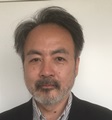 Nobuyuki Sato
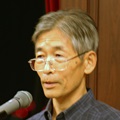 Chung Dae Kyun
 Toshio Watanabe
 Katsuya Tsukamoto
 Kazuto Suzuki
 Koichi Mera
 Akihisa Nagashima
 Miki Kase
 Eitaro Ogawa
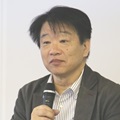 Hirotaka Watanabe
 Akinaka Senzaki
 Kevin Maher
 Yang Yi
 Hidetake Sawa
 Satoshi Tomisaka
 Nobukatsu Fujioka
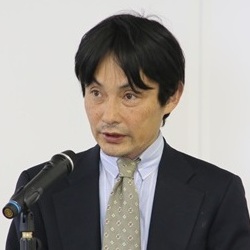 Masanori Kondo
 Hiroshi Ito
 Mio Sugita
 Rupakjyoti Borah
 Seiichi Okutomi
 Saburo Tsukamoto
 Yasuo Naito
 Satoshi Sakakibara
 Yen-Hung Lin
 Sanae Takaichi
 Haruhisa Nakagawa
 Norihide Miyoshi
 Syunichi Akasofu
 Ryoichi Hamamoto
 Hong Hyung
 Andrii Gurenko
 Ronald Morse
 Kazuhiko Inoue
 Keiichi Nakagawa
 Masamori Sase
 Katsutoshi Kawano
 Tomohisa Takei